Lake Nasser is one of the largest man-made lakes in the world, stretching across southern Egypt and northern Sudan. Formed after the construction of the Aswan High Dam, this massive reservoir has become a major destination for travelers seeking both natural beauty and historical exploration. Lake Nasser Egypt is renowned for its crystal-clear waters, scenic landscapes, and archaeological significance. Visitors come to enjoy fishing trips, boat tours, and excursions to ancient sites, making it a unique blend of adventure and culture.
For those asking where is Lake Nasser or lake nasser location, the lake extends about 550 kilometers, with its northern end near Aswan and southern stretches reaching into Sudan. Its size and strategic location make it an ideal base for exploring nearby historical monuments, desert landscapes, and natural attractions. Whether you are interested in the nasser lake fishing opportunities, visiting ancient ruins, or exploring the surrounding desert, Lake Nasser provides an unforgettable experience for travelers seeking something off the beaten path.
Beyond leisure, the lake is critical to Egypt’s infrastructure. It serves as a freshwater reservoir and supports hydroelectric power generation through the Aswan High Dam. Travelers exploring lake nasser map or lake nasser on map will notice its sprawling size and importance for both tourism and Egypt’s economy.
Lake Nasser Location and Geography
Understanding the lake nasser location is key to planning a visit. Lake Nasser stretches roughly 550 kilometers from the Aswan High Dam to the Sudanese border. Its width varies between 5 and 35 kilometers, creating a massive body of freshwater in the middle of the desert. This makes it one of the largest artificial lakes in the world, often referred to as the lake nasser reservoir.
The lake sits in a desert region, bordered by the Nubian Desert to the east and west. The surrounding terrain is a mixture of rocky hills, sand dunes, and flat desert plains, creating breathtaking vistas for travelers. For those exploring lake nasser city, Aswan is the primary gateway, providing access to hotels, tours, and transport. From here, visitors can arrange guided boat trips, fishing excursions, or visits to historical sites along the lake’s shores.
The formation of the lake dramatically changed the region’s geography. Several villages were relocated, and ancient temples, such as Abu Simbel, were moved to prevent submersion. Travelers examining lake nasser on map or searching for map of lake nasser will see a vast blue expanse cutting through the arid desert, an impressive feat of engineering that transformed Egypt’s southern landscape.
Lake Nasser’s size and strategic location make it not only a crucial water reservoir but also an attractive destination for tourists seeking adventure and cultural heritage.
History and Formation of Lake Nasser
Why was Lake Nasser built? The lake was created in the 1960s following the construction of the Aswan High Dam, primarily to control the Nile’s annual floods, provide water for agriculture, and generate hydroelectric power. Before its formation, the region was prone to devastating floods, which threatened local communities and farmland.
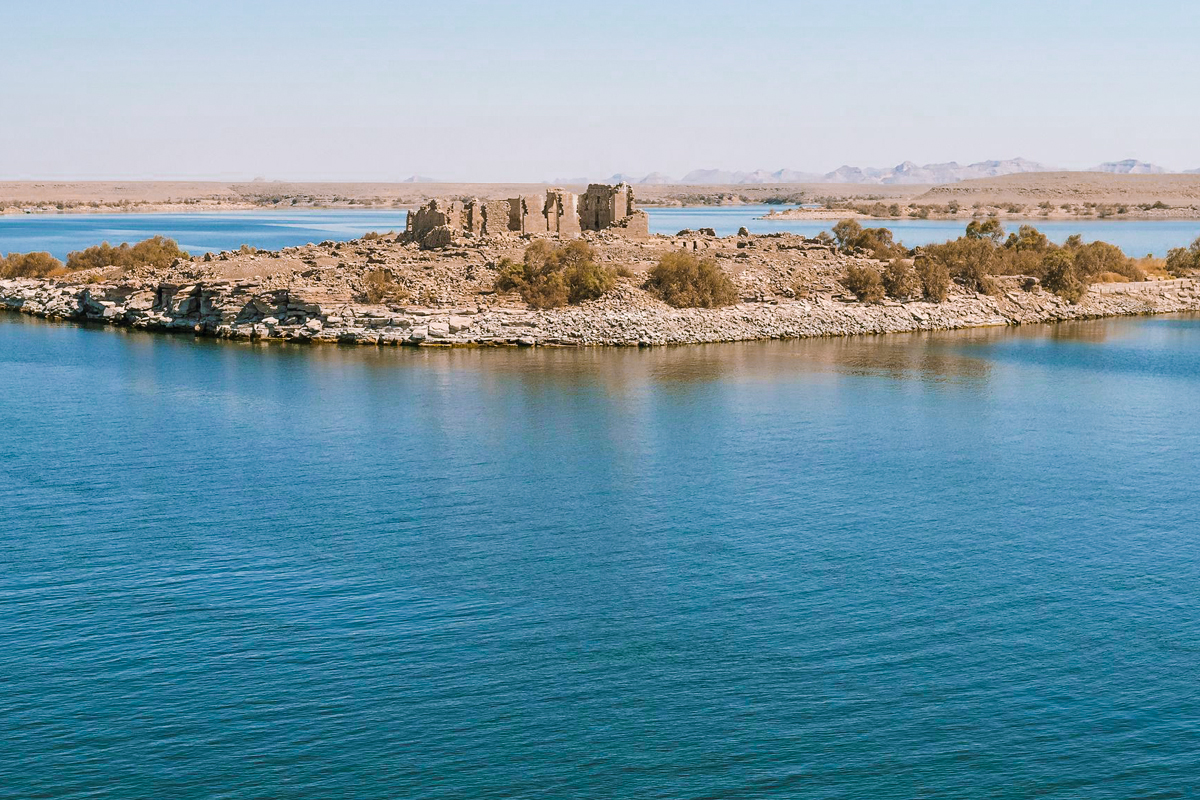
The creation of the lake also led to massive archaeological efforts. Temples and monuments, such as lake nasser simbel, were carefully relocated to higher ground. This incredible engineering and preservation effort ensured that Egypt’s cultural heritage remained intact. Lake Nasser ruins are now a major attraction, drawing history enthusiasts from around the globe. Travelers can witness ancient Egyptian architecture and learn about the civilizations that thrived along the Nile thousands of years ago.
The project also had a significant impact on local populations. Villages were relocated, and entire communities adapted to the new landscape. Today, naser lake or nasser see stands as both a functional reservoir and a symbol of Egypt’s modern engineering achievements. Understanding the history of Lake Nasser adds depth to any visit, connecting travelers with both the natural and human stories of the region.
Places to Visit Around Lake Nasser
Travelers searching for places to visit in Lake Nasser will find a variety of attractions catering to different interests. One of the most famous is the Abu Simbel temples, known for their colossal statues and intricate carvings. These temples were relocated to avoid being submerged by the rising waters, and visiting them offers a unique glimpse into ancient Egyptian culture.
Other notable sites include Kalabsha Temple, Amada Temple, and the island temples along the lake’s northern stretches. For travelers interested in local culture, small settlements along the shores provide insights into Nubian traditions, crafts, and daily life. Lake nasser city areas like Aswan serve as convenient bases for these excursions, offering hotels, restaurants, and transport options.
Adventure seekers can also enjoy guided desert tours, exploring sand dunes and rocky terrains near the lake. For nature lovers, birdwatching is a popular activity, as the lake’s ecosystem supports a variety of species. Overall, Egypt Lake Nasser provides a mix of historical, cultural, and natural attractions suitable for every traveler.
Lake Nasser Fishing Trips
Lake Nasser fishing trips are a major draw for anglers visiting Egypt. The lake is home to a variety of fish species, including Nile perch, tilapia, and catfish, making it a prime location for sport fishing. Local guides provide boats, equipment, and expert advice, ensuring both beginners and experienced anglers have a successful and enjoyable experience.
Fishing trips can be half-day or full-day excursions, often including scenic tours along the lake’s shores. Travelers can combine fishing with sightseeing, stopping at nearby ruins or villages for a richer experience. Lake nasser size and its vast stretches of water make it ideal for exploring hidden coves and remote fishing spots, far from crowded tourist areas.
Whether you are an avid angler or simply want to experience life on the water, fishing trips on Lake Nasser provide an immersive and relaxing adventure. Combining leisure, nature, and local culture, these trips are among the most rewarding activities for visitors to the region.
Lake Nasser Ruins and Historical Sites
The Lake Nasser ruins are a testament to Egypt’s rich historical legacy. Ancient temples, tombs, and monuments that once stood along the Nile’s original course were preserved and relocated during the lake’s creation. Visiting lake nasser simbel and other sites offers a unique opportunity to explore history while surrounded by breathtaking landscapes.
Kalabsha Temple, dedicated to the Nubian god Mandulis, is another popular site. Travelers can learn about ancient religious practices, admire hieroglyphs, and explore temple architecture. Smaller ruins along the lake’s banks, often accessible by boat, allow visitors to experience Egypt’s history in a more intimate setting.
For those interested in archaeology, lake nasser facts provide insight into how engineers and historians collaborated to preserve these treasures. The combination of natural beauty and historical significance makes Lake Nasser a unique destination that appeals to both adventurers and scholars alike.
Lake Nasser Facts and Features
Lake Nasser facts highlight its importance as both a natural and human-made wonder. Covering approximately 5,250 square kilometers, it ranks among the largest artificial lakes in the world. Its length, width, and volume make it a critical water reservoir for Egypt, supporting agriculture, hydroelectric power, and local communities.
The lake is divided into sections, including lake nubia in Sudan. Its ecosystem supports various fish and bird species, making it an attractive destination for nature enthusiasts. Lake nasser dam, also known as the Aswan High Dam, plays a central role in regulating the Nile and preventing floods downstream.
Understanding lake nasser area, size, and reservoir function enriches any visit, providing travelers with context about the lake’s significance beyond its scenic appeal. The combination of engineering, environmental importance, and historical legacy makes Lake Nasser a remarkable site worth exploring.
Practical Travel Tips for Visiting Lake Nasser

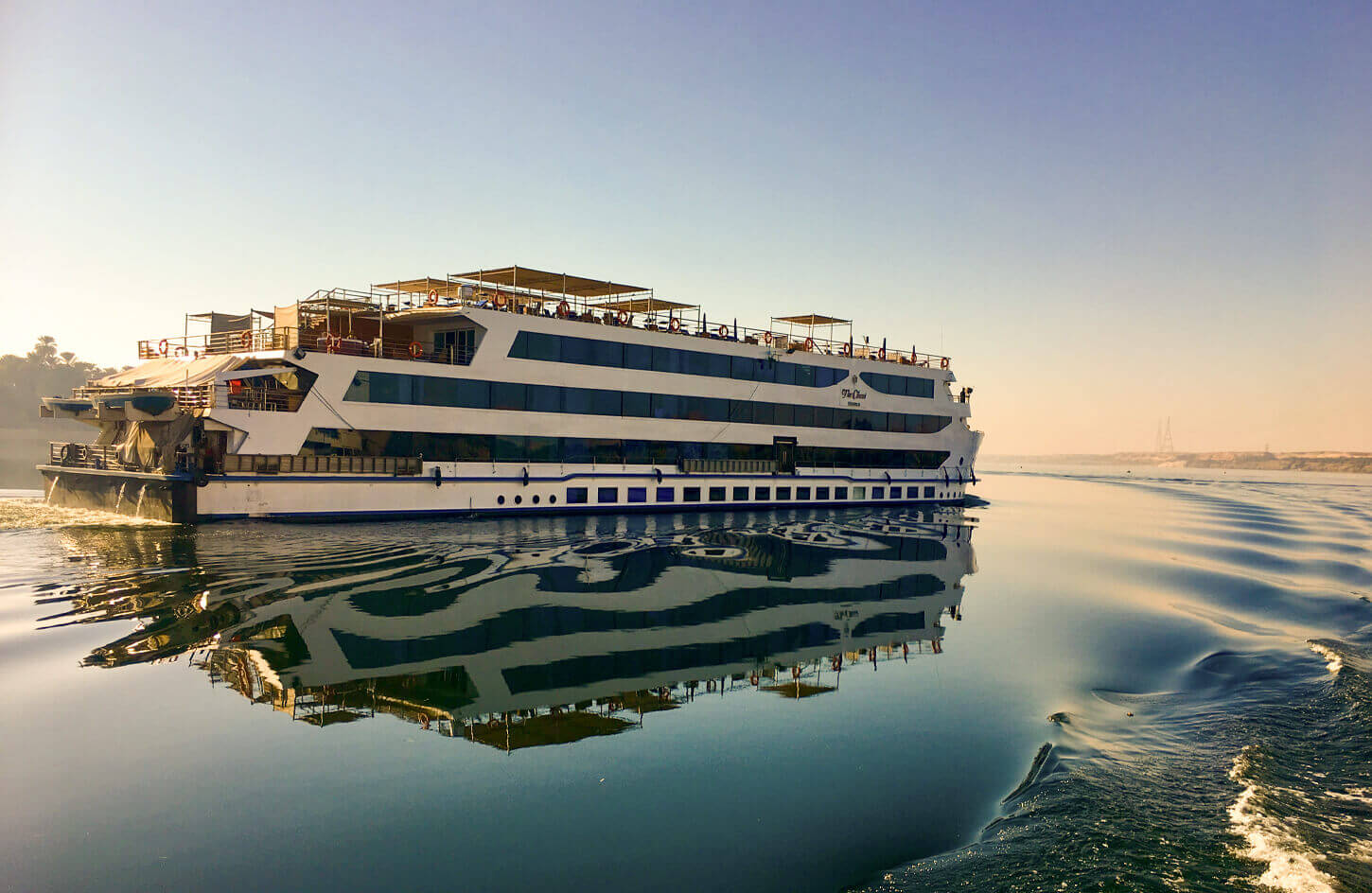
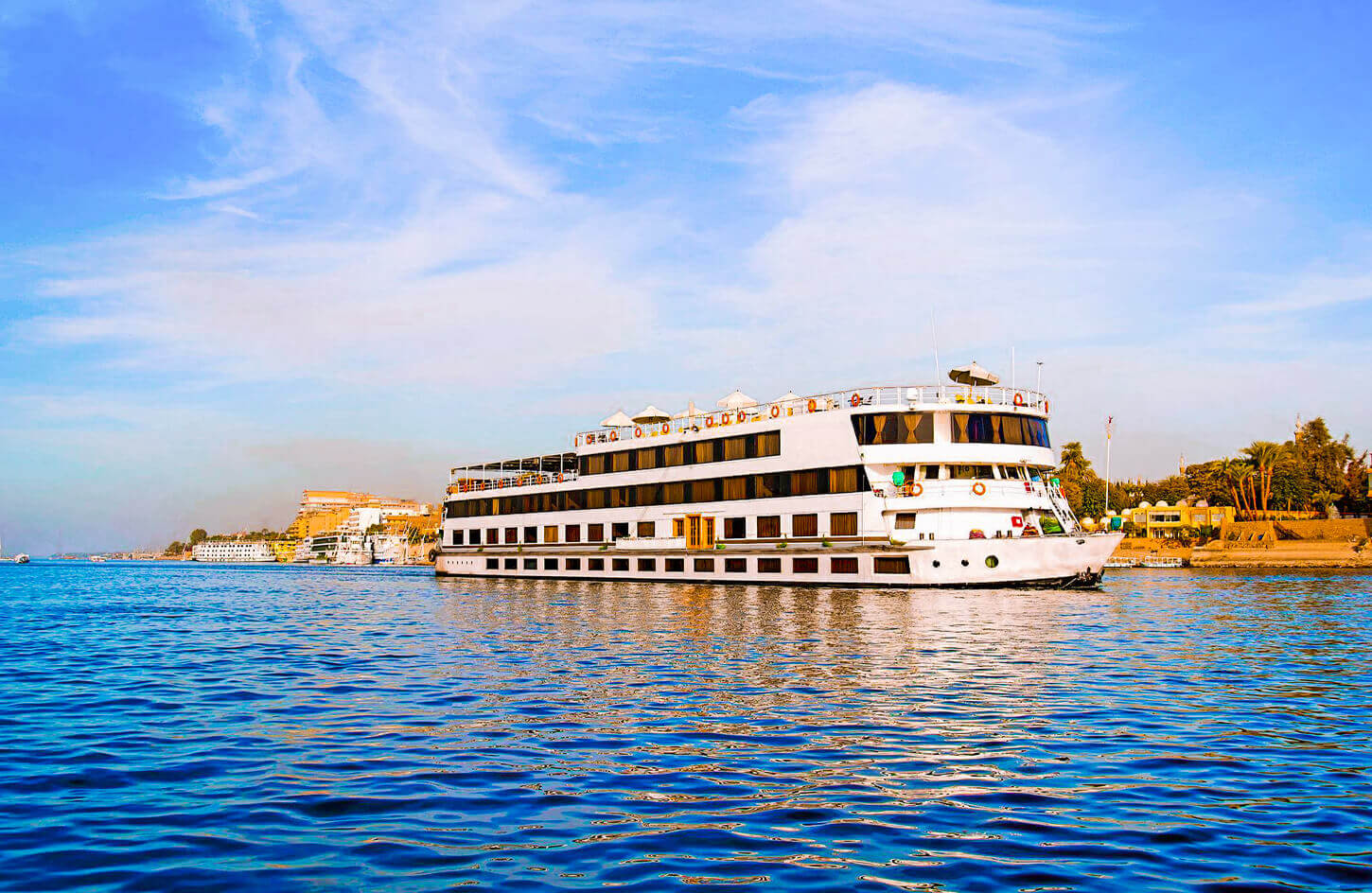
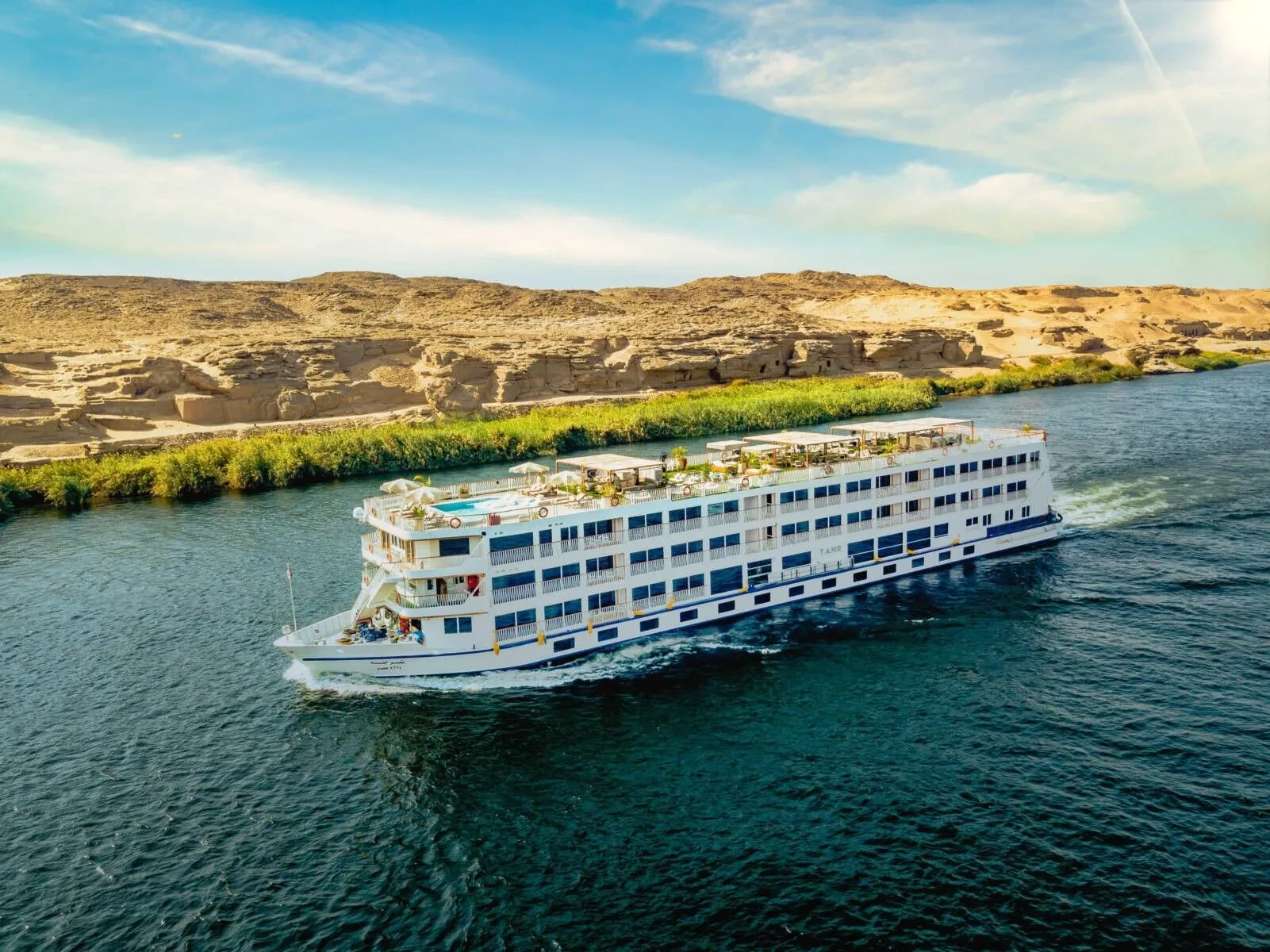
Mövenpick Darakum Cruise – Long Nile Cruise Cairo To Aswan
Visiting Lake Nasser Egypt requires some planning. The most convenient gateway is Aswan, which offers hotels, guided tours, and transport options. Travelers should arrange trips in advance for excursions to Abu Simbel, fishing trips, or desert adventures.
It is recommended to bring sun protection, water, and comfortable clothing for desert and boat activities. For those exploring smaller settlements along the lake, local guides can provide cultural insights, translate interactions, and ensure a safe visit. Where is Lake Nasser questions are easily answered by consulting maps or GPS, as the lake spans a significant distance along the southern Nile.
For photography enthusiasts, sunrise and sunset over the lake provide stunning opportunities. Nighttime fishing trips or overnight tours on houseboats are also available, offering a unique perspective on this vast and tranquil body of water.
Why Visit Lake Nasser
Lake Nasser is a destination that combines natural beauty, history, and adventure. Whether exploring lake nasser ruins, enjoying a fishing trip, or taking a boat tour along the expansive waters, the lake provides an experience unlike any other. Its historical significance, ecological diversity, and engineering marvels make it a must-visit destination in Egypt.
Visitors can explore Abu Simbel, witness ancient temples, and enjoy the serenity of one of the world’s largest man-made lakes. From lake nasser city bases like Aswan to remote coves and islands, travelers have a wide range of experiences to choose from.
With its mix of leisure, adventure, and culture, Lake Nasser ensures that every traveler leaves with lasting memories and a deeper appreciation for Egypt’s natural and historical treasures.