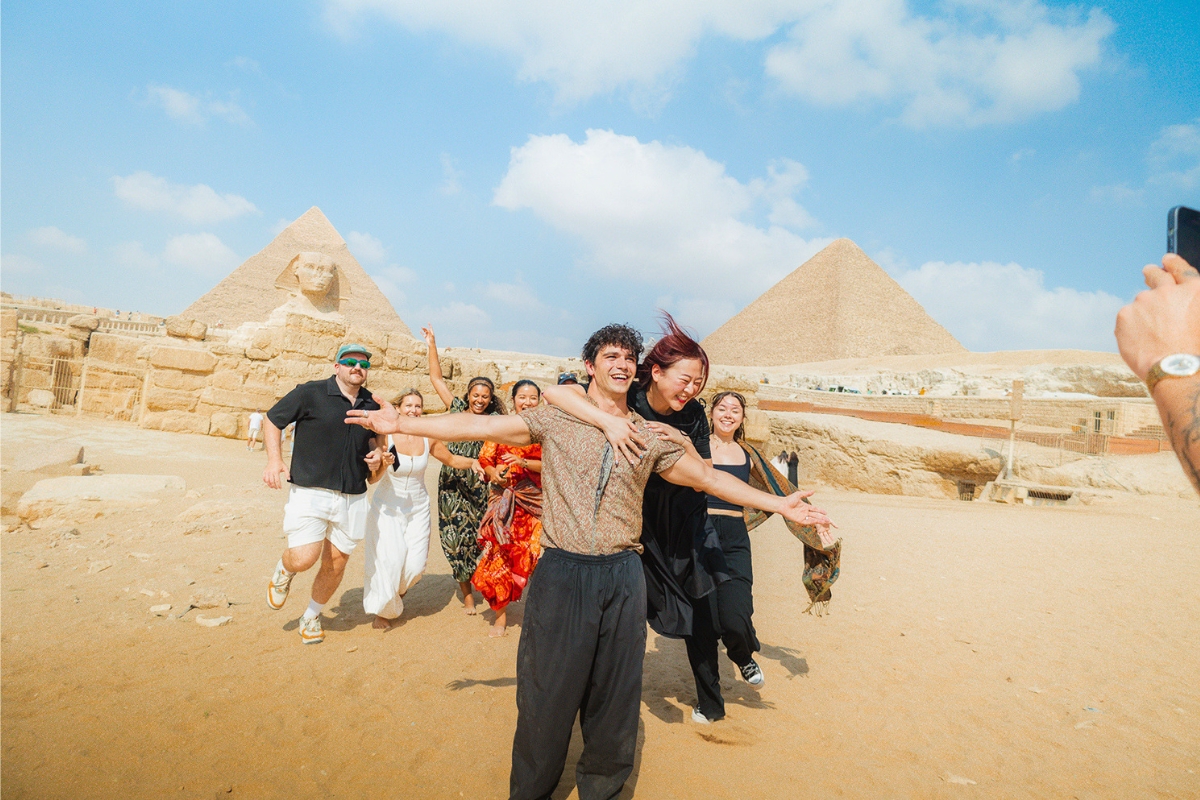
Egypt in January delivers warm days, cool nights, and some of the calmest, clearest weather of the whole year, making it one of the smartest months to book a Nile cruise, a Red Sea beach break, or a Cairo-to-Luxor tour. Average temperatures range from a mild 14°C in Cairo to a sunny 25°C in Aswan, so almost every region welcomes visitors comfortably.
This guide breaks down city-by-city temperatures, what to pack, the best places to go, the events happening this month, and exactly how to plan your 2027Egypt holiday from start to finish. By the end, you’ll know precisely where to go, what to wear, and how to book the trip that fits your family, your budget, and your bucket list.
If you have ever typed “egypt weather january” into a search bar late at night while dreaming about the pyramids, you are exactly who this guide was written for. January is quietly one of the best-kept secrets in Egyptian tourism.
While much of the Northern Hemisphere is buried under grey skies and freezing temperatures, Egypt is basking in gentle sunshine, blue skies, and warm afternoons that make sightseeing genuinely enjoyable rather than exhausting.
This article was built for travelers who want real numbers, real advice, and a real plan — not vague generalities. We’ve organized it so you can jump straight to the section you need, whether that’s the temperature in your chosen city, what to pack, or which region of Egypt suits your travel style best in 2027.
Egypt Weather in January 2027: The Complete Overview
So, what is the weather like in Egypt in January? The short answer: pleasant, dry, and remarkably consistent. Egypt in January sits firmly in what locals call the “cool season,” though cool is a relative term here.
Rather than the biting cold felt across Europe or North America, Egypt’s January weather feels more like a mild spring day in most Western countries, with daytime temperatures typically ranging between 18°C and 25°C (64°F to 77°F) depending on the region, and nighttime lows dropping to somewhere between 8°C and 14°C (46°F to 57°F).
Egypt’s geography plays a huge role in this variation. The Nile Delta and Mediterranean coast in the north experience cooler, occasionally breezy conditions, while Upper Egypt — including Luxor and Aswan — stays noticeably warmer because it sits deeper in the desert, far from coastal humidity. Meanwhile, the Red Sea resort towns of Hurghada and Sharm El Sheikh enjoy a unique microclimate: warm, sunny days softened by sea breezes, which is precisely why so many travelers search for “weather in Hurghada in January” before locking in their beach holiday.
Rainfall in January is extremely rare across almost the entire country. Cairo might see one or two brief showers throughout the month, and the Red Sea coast sees virtually none.
Humidity also stays low outside the coastal cities, which means the air feels dry and comfortable rather than damp or muggy. This dry, moderate climate is a major reason January consistently ranks as one of the most searched months for Egypt weather queries — travelers already sense that this is a smart window to visit, and the numbers confirm it.
Here is a quick-reference table summarizing Egypt’s January weather across the country’s most visited destinations, useful whether you are comparing options or simply confirming what to expect before you land.
| City/Region | Avg. High (°C/°F) | Avg. Low (°C/°F) | Sunshine Hours/Day | Rainfall |
|---|---|---|---|---|
| Cairo | 19°C / 66°F | 9°C / 48°F | 7 hours | Minimal |
| Hurghada | 22°C / 72°F | 12°C / 54°F | 8 hours | Almost none |
| Sharm El Sheikh | 22°C / 72°F | 13°C / 55°F | 8 hours | Almost none |
| Luxor | 23°C / 73°F | 8°C / 46°F | 9 hours | None |
| Aswan | 25°C / 77°F | 10°C / 50°F | 9 hours | None |
| Alexandria | 18°C / 64°F | 10°C / 50°F | 6 hours | Occasional |
Understanding this table is the foundation for everything else in this guide, because your ideal itinerary, your packing list, and even your choice of tour will all depend on which of these regions you’re heading to. Keep scrolling, because we’re about to break each one down individually with specific advice for travelers heading there in 2027.
Temperature in Egypt in January: City-by-City Breakdown
One of the most common questions we receive at Egypt All Inclusive is simply: what is the actual temperature in Egypt in January, city by city? Because Egypt stretches from the Mediterranean coastline down through the Nile Valley and out to the Red Sea, the temperature in January can genuinely vary by 6 to 8 degrees depending on where you’re standing. Let’s go destination by destination.
Cairo weather in January hovers around a comfortable daytime high of 19°C (66°F), dropping to roughly 9°C (48°F) after sunset. Mornings can feel crisp, so a light jacket is essential for early visits to the Pyramids of Giza or the Egyptian Museum, but by midday the sun typically warms things up enough for just a sweater or long-sleeve shirt. Cairo weather in January 2027 is expected to follow this same reliable pattern, based on the city’s decades-long seasonal averages, so travelers can plan with confidence.
Hurghada weather in January is where the Red Sea really shines. Daytime highs average 22°C (72°F), and the sea itself stays warm enough for swimming, diving, and snorkelling without a wetsuit for most visitors. Evenings cool to around 12°C (54°F), pleasant for beachfront dinners with a light layer. Hurghada in January consistently draws travelers who want winter sun without the scorching summer heat that defines the Red Sea coast from June through August.
Sharm El Sheikh weather in January mirrors Hurghada closely, with highs around 22°C (72°F) and lows near 13°C (55°F). The Sinai Peninsula’s position gives it slightly milder nights than mainland Red Sea resorts, and the diving conditions in January are considered some of the clearest of the year, with excellent underwater visibility around Ras Mohammed and the Tiran Straits.
Luxor weather in January brings some of the sunniest, driest conditions in the entire country, with highs near 23°C (73°F). However, Luxor also sees the widest day-to-night temperature swing of any major destination, with lows dipping to around 8°C (46°F). This makes it perfect for daytime temple exploring at Karnak and the Valley of the Kings, but pack a proper jacket for cooler evenings along the Nile.
Aswan weather in January is the warmest inhabited region travelers typically visit, with highs reaching 25°C (77°F) and abundant sunshine nearly every single day. Sitting further south and deeper into the desert, Aswan barely feels like winter at all, which is exactly why so many Nile cruise itineraries begin or end here.
Alexandria, Egypt’s Mediterranean gem, runs cooler and slightly wetter than the rest of the country, with highs around 18°C (64°F) and the occasional winter shower — useful to know if your itinerary includes a coastal day trip.
The takeaway: no matter which region you choose, Egypt’s January temperatures stay firmly in the “comfortable” zone, never dipping into anything travelers would consider genuinely cold, and never climbing into the exhausting heat of summer.
When Does Winter Start in Egypt? Understanding the Seasons
A question we hear often is when does winter start in Egypt, and how long does it actually last? Unlike countries with four sharply defined seasons, Egypt experiences essentially two: a long, hot summer and a milder, more temperate winter.
Winter in Egypt typically begins in late November and continues through February, with December and January marking the coolest stretch of the year. So if you’re wondering when will winter start in Egypt for your 2027 travel planning, late November is your marker, with temperatures gradually cooling until they bottom out in January before slowly climbing again through February and March.
This means January sits right in the heart of the Egyptian winter season, making it one of the two or three coolest months to visit, alongside December and February.
That said, “coolest” in Egypt is still a far cry from winter as most Northern Hemisphere travelers know it. There is no snow (except very rarely at high desert elevations in the Sinai mountains), no ice, and no need for heavy winter coats. Instead, think of Egyptian winter as a gentle, dry, sun-filled season that simply takes the summer’s extreme heat down several notches.
Interestingly, Egypt’s winter season is precisely what makes January and the surrounding months so popular with international travelers, especially those escaping harsher climates in Europe, North America, and parts of Asia. While your home country might be buried under snow, Egypt offers 7 to 9 hours of sunshine daily even in the depths of winter.
This single fact explains much of the search interest around egypt winter vacation and egypt winter holidays — people are actively looking for a warm-weather escape, and Egypt delivers exactly that without the extreme heat that summer brings.
It’s also worth understanding what happens as winter transitions out. By late February, temperatures across the country begin climbing again, and by April, Egypt starts approaching the warmer shoulder season that eventually leads into its intense summer months.
If you’re comparing egypt weather december, egypt weather february, or even egypt weather march and egypt weather april as alternative travel windows, January remains one of the most balanced choices: cooler than the shoulder months, but never uncomfortably cold like winter can feel elsewhere.
For travelers planning ahead, this seasonal rhythm is remarkably consistent year over year, which is why Cairo weather in January 2027 and Hurghada weather in January 2027 forecasts, based on historical climate data, are expected to closely resemble the patterns we’re describing for 2027. Egypt’s desert climate is stable and predictable, which is genuinely good news if you’re booking flights and tours many months in advance and want confidence that your trip will fall within this comfortable winter window.
Is January a Good Time to Visit Egypt? The Honest Answer
Let’s tackle this directly, because it’s the single most important question this article can answer: is January a good time to visit Egypt? Based on decades of travel patterns, tourism board data, and firsthand feedback from thousands of travelers, the answer is a resounding yes — and here’s exactly why.
The weather works in your favor. As covered above, January temperatures are comfortable nearly everywhere in the country. You won’t be sweating through 40°C heat like you would in July, and you won’t be dealing with genuine cold either. This “just right” temperature zone means you can comfortably walk around ancient sites for hours, explore markets on foot, and enjoy outdoor dining without discomfort in either direction.
Sightseeing is more enjoyable. Sites like the Pyramids of Giza, Karnak Temple, and the Valley of the Kings involve significant walking, often across open, sun-exposed terrain. In peak summer, this can become genuinely uncomfortable and even risky for children or older travelers. In January, the same experience is far more pleasant, letting you actually absorb the history instead of rushing for shade.
It’s an excellent value season. January sits outside the absolute peak of Christmas and New Year’s week, meaning prices on flights, hotels, and Nile cruises often become more competitive again once the holiday crowds clear out in early January, particularly from the second week onward. This makes late January an especially smart window for travelers watching their budget.
The Red Sea is still swimmable. Unlike destinations where winter shuts down beach activities entirely, Egypt’s Red Sea coast stays warm enough in January for swimming, snorkelling, and diving. Water temperatures in Hurghada and Sharm El Sheikh typically hover around 22–23°C, which is comfortable for most swimmers, especially with a light wetsuit for extended dive sessions.
There are some trade-offs worth knowing. Evenings and early mornings are noticeably cooler, so desert safaris or sunrise balloon rides in Luxor require warmer layers. January can also be a busy month at major landmarks, since it overlaps with school holidays in several countries and represents one of Egypt’s most popular tourist windows.
So, is January good time to visit Egypt for your specific trip? If you want comfortable temperatures, functioning beach activities, and manageable crowds compared to the December holiday rush, the answer is clearly yes. Whether you’re chasing ancient history in Luxor, beach relaxation in Hurghada, or a full Nile cruise experience, January checks nearly every box travelers care about.
Is Egypt Hot or Cold in January? Straight Answers to Your Temperature Questions
Is Egypt hot in January? Is Egypt warm in January? Is it cold? These questions come up constantly, and the honest answer is: it depends entirely on which part of the day and which region you mean.
During daylight hours, Egypt is warm, not hot. Across most of the country, daytime temperatures land comfortably between 18°C and 25°C (64°F to 77°F), which feels similar to a pleasant spring or early autumn day in much of Europe or North America. This is genuinely warm enough to wear short sleeves in the afternoon sun, particularly in Upper Egypt and along the Red Sea coast, where Aswan can reach a toasty 25°C and Hurghada regularly sits around 22°C.
However, once the sun sets, temperatures drop noticeably — sometimes by 10 to 14 degrees within a couple of hours. This is a defining feature of desert climates: without cloud cover or humidity to trap heat, the warmth from the day escapes quickly after dark. So while the answer to “is Egypt hot in January” is generally no during the day (it’s warm, not hot), the nights can genuinely feel cool, even approaching what many travelers would call cold, particularly in desert areas like Luxor where lows can dip to 8°C (46°F).
This is why the smartest packing strategy for Egypt in January revolves around layering, which we’ll cover in detail in the next section. It’s also why so many travelers ask “what is the temperature in Egypt in January” expecting a single number, when the honest answer is really a range that shifts dramatically between noon and midnight.
To put it simply: if you’re picturing snow, sleet, or bitter cold, you can set that image aside completely. Egypt does not experience winter the way temperate countries do. If you’re picturing a comfortable, sunny, jacket-in-the-morning kind of day, you’ve got it exactly right. The hottest part of Egypt in January is consistently Aswan and the surrounding Upper Egypt region, where the desert sun combined with southern latitude produces the warmest daytime readings in the entire country. If warmth is your top priority, this is genuinely where it is warmest in Egypt in January, followed closely by Luxor and the Red Sea resort towns.
Meanwhile, the coolest region tends to be the northern coast around Alexandria and the Nile Delta, where Mediterranean influence brings slightly lower temperatures and a small chance of rain. Cairo sits in between — noticeably cooler than Aswan, but still far warmer than a typical Northern Hemisphere winter.
What to Wear in Egypt in January: Your Complete Packing Guide
Once you understand the temperature swings we’ve described, packing for Egypt in January becomes much easier. The golden rule is layering: you’ll want lighter clothing for warm afternoons and warmer layers for cool mornings, evenings, and desert excursions. Here is a practical, tested packing breakdown.
| Category | What to Pack | Why |
|---|---|---|
| Daytime tops | Light long-sleeve shirts, breathable cotton or linen | Comfortable in 18–25°C afternoon sun |
| Evening layers | Fleece jacket, light sweater, or hoodie | Nights can drop to 8–13°C |
| Bottoms | Comfortable trousers, modest-length skirts | Practical for walking and culturally respectful |
| Footwear | Closed, comfortable walking shoes | Uneven terrain at temples and desert sites |
| Swimwear | Swimsuit + cover-up | Red Sea remains swimmable in January |
| Accessories | Sunglasses, sunhat, scarf/shawl | Sun protection by day, warmth by night, useful for mosque visits |
| Extras | Reusable water bottle, light daypack | Practical for full-day touring |
What to wear in Egypt in January also depends heavily on cultural context, not just temperature. Egypt is a predominantly Muslim country, and while tourist zones and resorts are relaxed, modest dress is genuinely appreciated when visiting mosques, local markets, and more traditional neighborhoods. For women, this generally means covering shoulders and knees, with a light scarf handy for mosque visits. For men, shorts are fine in resort areas but long trousers are better suited to city touring and religious sites.
If your itinerary includes a desert safari, hot air balloon ride over Luxor, or an early sunrise excursion, pack an actual warm jacket, not just a light layer. Pre-dawn desert temperatures can feel surprisingly sharp, and hot air balloon rides in particular launch before sunrise when temperatures are at their coolest point of the entire day.
For Nile cruise passengers, evenings on deck can be breezy, so a light wind-resistant jacket is worth the suitcase space. For beach-focused travelers heading to Hurghada or Sharm El Sheikh, daytime beachwear is perfectly appropriate poolside and on private beaches, but a cover-up is recommended for walking through public areas, restaurants, and town centers.
Finally, don’t forget sun protection. Even in January, Egypt’s sun is strong and the skies are clear for most of the month, so sunscreen, sunglasses, and a hat remain essential items, right alongside your sweater. This dual need — sun protection and warm layers — is the single most distinctive packing challenge of an Egyptian winter trip, and getting it right makes an enormous difference to your comfort throughout the day.
Egypt in Winter: What Makes This Season Genuinely Special
Egypt in winter is a completely different travel experience compared to the intense heat of summer, and for most travelers, it’s the far more enjoyable version of the country. Winter in Egypt, spanning roughly late November through February, represents the peak comfort window for outdoor sightseeing, and January sits right at its heart.
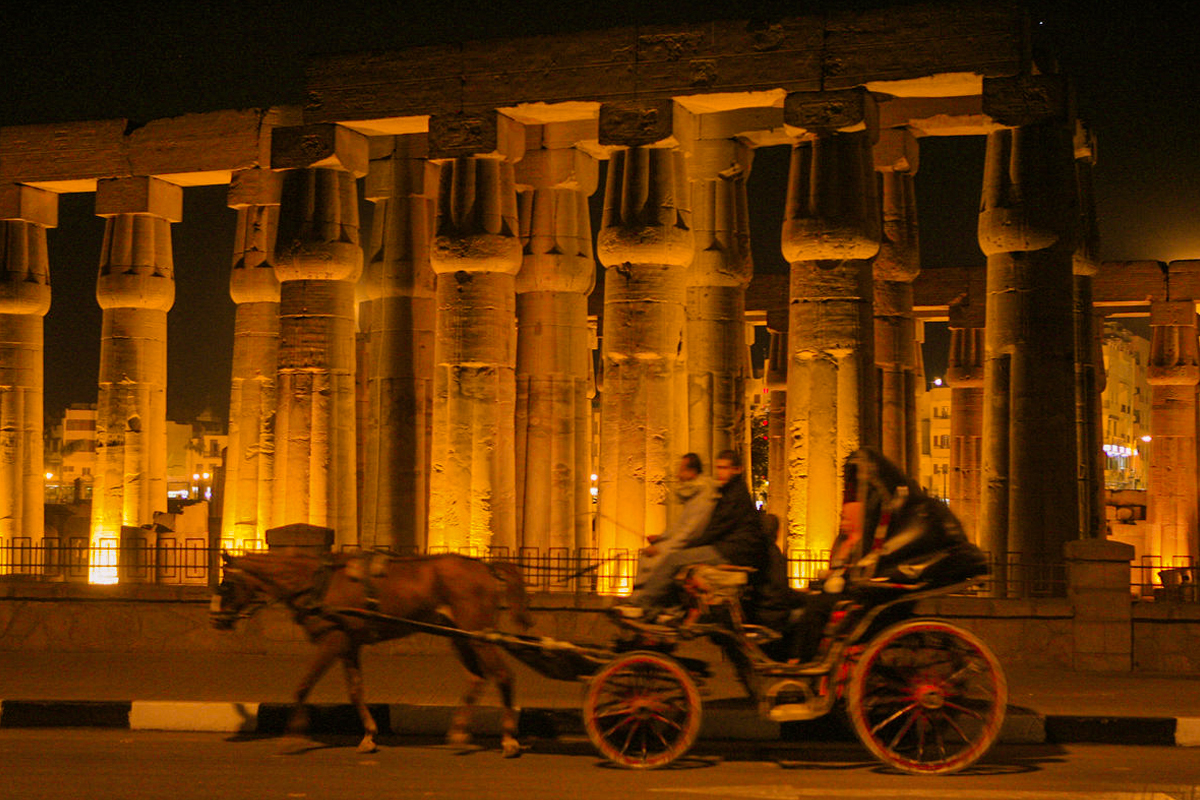
What makes egypt winter travel so appealing isn’t just the temperature — it’s everything that comfortable weather unlocks. Full days at the Pyramids of Giza become genuinely enjoyable rather than an endurance test against the heat. Long walks through Karnak Temple hypostyle hall, with its 134 towering columns, can be savored slowly instead of rushed toward shade. Even the Sphinx, standing exposed on an open plateau with essentially no shelter, becomes a pleasant midday visit instead of a scorching one.
Winter is also when Egypt’s Nile cruises hit their stride. The Nile River corridor between Luxor and Aswan is dotted with temples, tombs, and riverside villages best explored on foot and by small boat, and winter’s mild temperatures make these excursions vastly more comfortable, particularly for older travelers or families with young children who might struggle in summer heat.
An egypt winter vacation also tends to feel more social and lively, ironically, because so many travelers from colder climates choose this exact window to escape their own winters. Hotels, cruise ships, and resort towns come alive with an international mix of visitors from across Europe, the Gulf, and beyond, creating a vibrant, energetic holiday atmosphere, especially around the New Year period at the very start of January.
For beach lovers, egypt winter holidays along the Red Sea coast offer something genuinely rare: warm-enough waters for diving and snorkelling during a season when most of the world’s beaches are closed for the year. Hurghada and Sharm El Sheikh remain fully operational dive destinations throughout winter, with excellent visibility and calmer seas than the peak summer crowds.
There is also a quieter, more personal benefit to winter travel that’s easy to overlook: better photography. Egypt’s winter sun sits lower in the sky and produces a softer, warmer light throughout the day rather than the harsh overhead glare of summer noon. Photographs of the Pyramids, temples, and desert landscapes taken in winter light routinely turn out richer and more atmospheric, a small but meaningful bonus for travelers who want their photos to do the destination justice.
In short, winter in Egypt — and January specifically — isn’t a compromise season. It’s arguably the version of Egypt most travelers actually picture when they dream about visiting: golden temples under soft sunlight, comfortable walking weather, and a Red Sea still warm enough to swim in.
Best Places to Visit in Egypt in January 2027
With comfortable weather nationwide, January opens the door to nearly every region of Egypt. Here are the best places to visit in Egypt in January 2027, based on what each destination does best during this specific month.
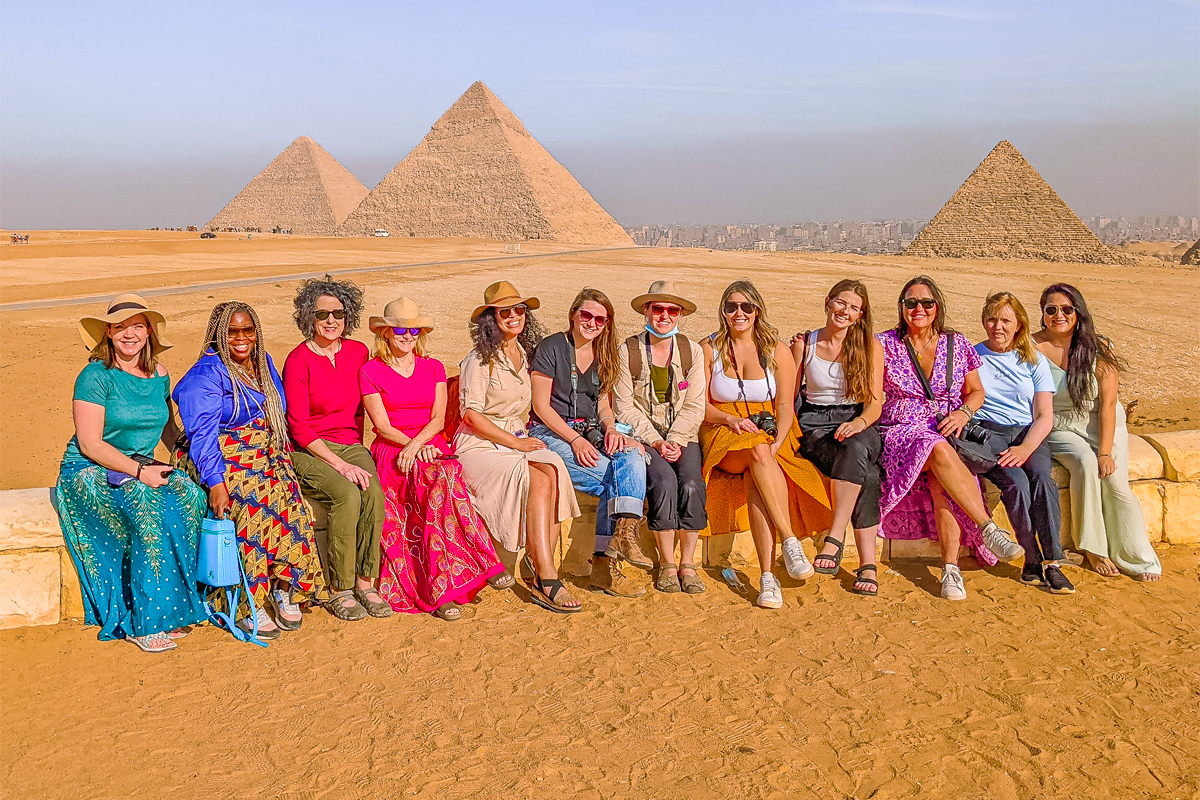
Cairo and Giza top the list for history-focused travelers. January’s mild daytime temperatures make the Pyramids of Giza, the Sphinx, and the Egyptian Museum (along with the newer Grand Egyptian Museum) far more comfortable to explore than during summer’s extreme heat. Add in Islamic Cairo‘s mosques, Khan el-Khalili bazaar, and the vibrant Nile-side restaurant scene, and Cairo remains an essential stop regardless of season, elevated by January’s kind weather.
Luxor, often called the world’s greatest open-air museum, shines in January thanks to abundant sunshine and low humidity. This is where you’ll find the Valley of the Kings, Karnak Temple, Luxor Temple, and the Colossi of Memnon, all best explored across a full, comfortable day without summer’s heat exhaustion. A sunrise hot air balloon ride over the West Bank is a January highlight, offering sweeping views of temples and the Nile in that soft winter light we mentioned earlier.
Aswan, Egypt’s warmest inhabited destination in January, is perfect for travelers who want maximum sunshine. Highlights include the Philae Temple, the Unfinished Obelisk, and a felucca sail on the Nile at sunset — arguably one of the most peaceful experiences in the entire country. Aswan also serves as the gateway to Abu Simbel, the monumental twin temples built by Ramses II, a worthwhile day trip for serious history enthusiasts.
Hurghada and Sharm El Sheikh dominate the Red Sea coast conversation for good reason. Both offer warm, swimmable waters, excellent diving and snorkelling, and resort-style relaxation that perfectly complements a few days of cultural sightseeing elsewhere in the country. Many of our most popular itineraries combine a few days in Cairo or on a Nile cruise with a beach extension here, giving travelers the best of both worlds.
Alexandria rounds out the list for travelers craving something different: a Mediterranean coastal city with Greco-Roman history, the modern Bibliotheca Alexandrina, and a noticeably different atmosphere from the rest of Egypt. It runs slightly cooler and can see brief winter rain, but for a day trip from Cairo, it’s a refreshing change of pace.
For travelers asking specifically where to go in Egypt in winter or the best places to visit in Egypt in winter more broadly, the honest answer is: nearly anywhere, but a combination itinerary — pairing Cairo’s history, a Nile cruise between Luxor and Aswan, and a few Red Sea beach days — consistently delivers the most complete, well-rounded Egyptian experience, and January’s weather supports every leg of that journey comfortably.
Things to Do in Egypt in January 2027
Beyond simply choosing where to go, travelers often want a concrete list of things to do in Egypt in January. Here’s a curated set of experiences that make the most of this specific month’s weather and atmosphere.
Explore the Pyramids of Giza and the Sphinx during the cooler morning hours, when the site is quieter and the light is at its most photogenic. Combine this with a visit to the Grand Egyptian Museum, home to thousands of newly displayed artifacts, including much of Tutankhamun’s treasure collection.
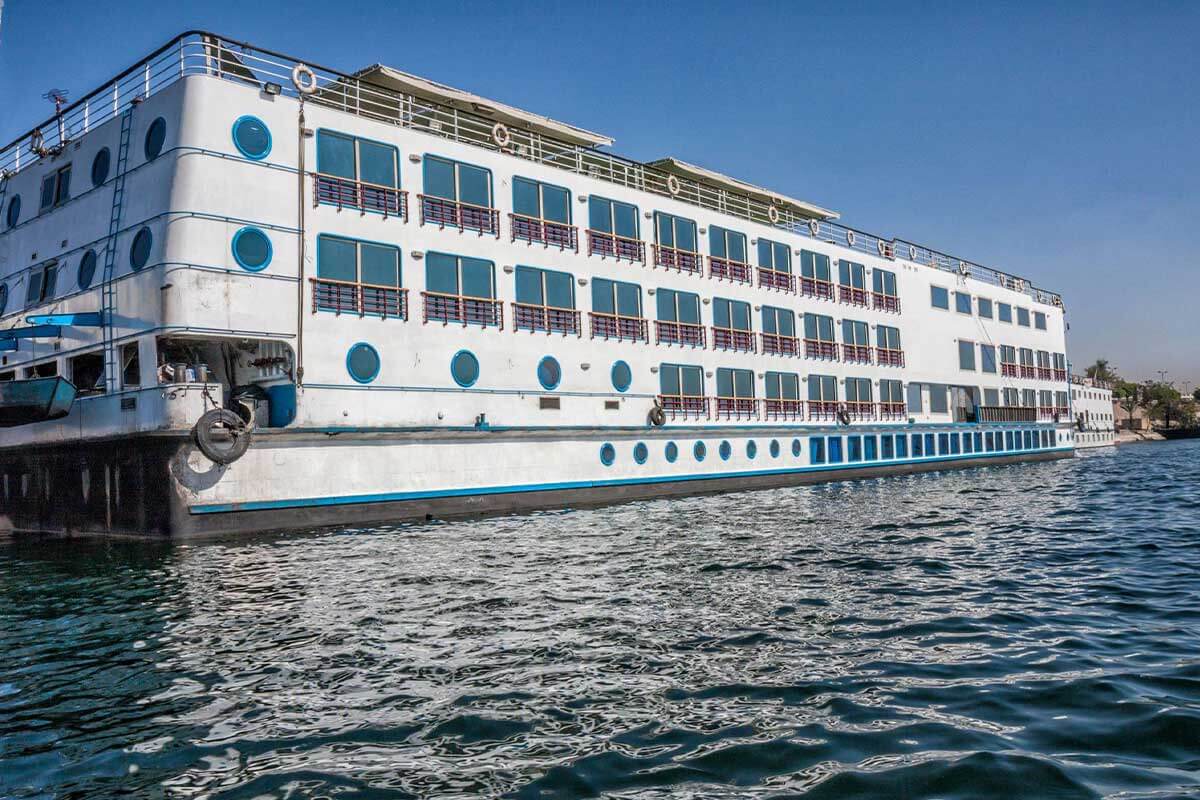
Take a Nile cruise between Luxor and Aswan, typically running 3 to 5 days, stopping at Edfu, Kom Ombo, and Esna along the way. January’s calm winds and mild temperatures make onboard time on the sundeck genuinely relaxing rather than uncomfortable.
Ride a hot air balloon over Luxor at sunrise, gliding above the Valley of the Kings and the Theban hills as the winter sun rises over the Nile. This remains one of the single most requested experiences among travelers researching things to do in Egypt in January, and January’s clear skies deliver excellent visibility for this excursion.
Dive or snorkel in the Red Sea, particularly around Ras Mohammed National Park near Sharm El Sheikh, or the coral reefs off Hurghada. January’s water temperatures, while slightly cooler than summer, remain fully comfortable for most divers, and visibility is often at its best this time of year.
Wander Khan el-Khalili bazaar in Cairo for spices, jewelry, and traditional crafts, an experience made far more pleasant by January’s mild evening temperatures compared to summer’s lingering heat.
Visit Abu Simbel, especially if your trip falls around January 22nd, which marks one of two annual “Sun Festival” dates when sunlight aligns perfectly to illuminate the inner sanctuary statues — a rare and spectacular phenomenon worth building an itinerary around.
Enjoy a felucca sail at sunset on the Nile in Aswan or Luxor, a slow, quiet experience that contrasts beautifully with the busier temple-hopping earlier in the day.
Attend a Nubian village visit near Aswan, experiencing local music, colorful architecture, and traditional hospitality that offers a different cultural lens on Egypt beyond the pharaonic sites.
Explore Islamic Cairo’s mosques and medieval architecture, including the Citadel of Saladin and the Alabaster Mosque, both particularly striking in January’s clear, low-angle sunlight.
For travelers searching things to do in Egypt more generally, January is genuinely one of the best months to fit in the maximum number of activities, simply because the comfortable temperatures let you spend more hours actively exploring rather than retreating from the heat.
Egypt Public Holidays and Events in January 2027
Planning around local holidays and events can meaningfully shape your trip, so here’s what to expect from egypt holidays in january and the broader event calendar for the month.
New Year’s Day (January 1st) is recognized as a public holiday in Egypt, meaning many government offices and some local businesses close, though tourist sites, hotels, and restaurants remain fully operational for visitors. If you’re wondering whether New Year’s Day is a public holiday in Egypt on January 1st, the answer is yes, and it’s actually one of the busier tourist weeks of the entire month, as travelers combine a New Year’s getaway with early January sightseeing.
Coptic Christmas (January 7th) is a significant celebration for Egypt’s Coptic Christian community, observed with church services and family gatherings, particularly visible in Cairo and Alexandria. While not a nationwide public holiday for all sectors, it adds a distinct cultural dimension to a January visit, especially if your itinerary includes time in Coptic Cairo’s historic churches.
The Abu Simbel Sun Festival (January 22nd) deserves special mention as one of Egypt’s most remarkable annual events. Twice a year — once in January and again in October — sunlight travels through the temple’s 60-meter-long corridor to illuminate statues of Ramses II and several gods in the inner sanctuary, a phenomenon engineered over 3,000 years ago with extraordinary precision. Travelers planning their 2027 Egypt trip around this date get a genuinely rare, bucket-list-worthy experience.
Beyond fixed holidays, Cairo events in January typically include cultural exhibitions, seasonal markets, and occasional concerts, particularly in venues like the Cairo Opera House. Since Egypt’s event calendar shifts year to year, we recommend checking current listings closer to your travel dates, but January consistently offers a livelier cultural calendar than the deep summer months, when many locals and cultural institutions slow down due to the heat.
For travelers specifically researching things to do, events, or weekend activities in Egypt for 2027 and beyond, January tends to bring a noticeably higher concentration of tourist-friendly programming, cultural festivals, and seasonal happenings compared to the rest of the year, largely because the pleasant weather supports outdoor and evening events that simply aren’t practical during summer’s heat.
One practical note: because January overlaps with school holidays in several countries and includes the New Year’s travel surge, popular sites like the Pyramids and major museums can see higher visitor numbers in the first two weeks of the month. Booking guided tours and skip-the-line access in advance, something Egypt All Inclusive handles for every itinerary, makes a meaningful difference in how smoothly your visit flows.
Egypt Weather Comparison: December, January, February, March, and April
Understanding how January compares to the months around it helps travelers choose the ideal window for their specific priorities. Here’s how egypt weather december, january, egypt weather february, egypt weather march, and egypt weather april stack up against each other.
December is very similar to January, with slightly milder temperatures at the very start of the month before cooling toward Christmas and New Year’s. Cairo highs average around 20°C, dropping only marginally from November. December also carries the busiest, most expensive travel dates of the year due to the holiday season, so travelers prioritizing value often prefer January instead.
January, as covered throughout this guide, represents the coolest point of the year, with Cairo highs around 19°C and Aswan reaching 25°C. It’s also typically less expensive than the December holiday peak, particularly from mid-January onward, while still offering the same comfortable sightseeing conditions.
February begins Egypt’s gradual warming trend, with Cairo highs climbing to roughly 21°C and Red Sea destinations following suit. February remains an excellent all-round month, arguably Egypt’s most balanced combination of comfortable temperatures and reasonable pricing, making it a strong alternative if January dates don’t work for your schedule.
March pushes temperatures further upward, with Cairo highs reaching around 24°C and desert regions like Luxor and Aswan climbing toward 28–30°C. March still offers comfortable, enjoyable conditions for most travelers, though desert excursions during midday sun start requiring more sun protection than in January.
April marks the real transition toward Egypt’s hot season, with Cairo highs around 28°C and Upper Egypt regions frequently exceeding 32°C. While still visitable, April demands more careful heat management, particularly for midday temple visits, and represents the last genuinely comfortable month before summer’s intense heat sets in through May and June.
The clear takeaway: if your top priority is the coolest, most comfortable temperatures with the least intense sun exposure, January and February are your strongest choices. If you’re comfortable with slightly warmer conditions in exchange for potentially better pricing outside peak season, March can also work well. This comparison is exactly why so many seasoned travelers treat January as the benchmark month against which every other Egyptian travel window gets measured.
Best Time to Visit Egypt: Planning for 2027 and Beyond
Pulling everything together, when is the best time to visit Egypt, and how does that translate into a concrete 2027 travel plan? Based on weather data, pricing patterns, and destination-specific considerations, the period from November through March represents Egypt’s most comfortable, most popular travel window, with January sitting firmly among the top choices within that stretch.
For travelers building a 2027 itinerary, we generally recommend the following approach. If comfortable weather is your absolute top priority, target January or February, when temperatures are coolest and sightseeing is easiest across the entire country. If you want to combine good weather with slightly lower demand and better availability, aim for the latter half of January, after the New Year’s rush has cleared but before February’s half-term school holidays in parts of Europe drive numbers back up. If flexibility allows, shoulder months like late October, November, or March also offer excellent conditions with the added benefit of slightly warmer evenings than deep winter.
Looking further ahead, travelers already researching best time to visit Egypt 2027 or best time to travel to Egypt 2027 can apply the exact same seasonal logic, since Egypt’s climate patterns are remarkably stable year over year. Barring unusual regional weather anomalies, egypt weather in january 2027 and hurghada weather january 2027 should closely track the averages we’ve outlined throughout this guide, making January a dependable choice for long-range trip planning regardless of which specific year you’re booking.
It’s also worth thinking about your trip in terms of what you most want to experience. History-focused travelers chasing temples, tombs, and museums benefit enormously from winter’s cooler temperatures, since these sites involve extensive outdoor walking. Beach-focused travelers have more flexibility, since the Red Sea coast stays swimmable across a wider stretch of the year, though January and February offer the added bonus of combining beach time with genuinely pleasant air temperatures rather than the intense heat of July and August.
For multi-region itineraries — the kind we build most often at Egypt All Inclusive, combining Cairo, a Nile cruise, and a Red Sea extension — January’s consistency across every region is precisely what makes it such a strong all-around choice. You’re not gambling on one city being pleasant while another swelters or freezes; the entire country sits within a comfortable range simultaneously.
Ultimately, the best time to visit Egypt depends on your personal priorities, but for the overwhelming majority of travelers weighing comfort, value, and experience quality together, January consistently emerges as one of the two or three strongest months on the calendar, a pattern that has held steady for decades and shows every sign of continuing through 2027, and beyond.
How Much Does an Egypt Trip Cost in January 2027?
Budget is naturally one of the biggest factors behind the search for “holidays to egypt in january,” so let’s address it honestly. January sits in an interesting pricing zone: it’s cooler and cheaper than the December holiday peak, but still firmly within Egypt’s high season, meaning prices are moderate rather than rock-bottom.
Flights into Cairo, Hurghada, or Sharm El Sheikh from major European hubs typically settle into a mid-range price bracket during January, noticeably lower than the last two weeks of December, when Christmas and New Year’s demand pushes fares up sharply. Booking flights for late January, after New Year’s crowds clear, is consistently one of the smartest ways to reduce this portion of your trip cost.
Hotels and resorts follow a similar pattern. Five-star Red Sea resorts in Hurghada and Sharm El Sheikh, along with Nile-view hotels in Cairo, Luxor, and Aswan, price January just below the December peak but above the true shoulder season of late spring or early autumn. All-inclusive resort packages remain some of the best value structures for family travelers, bundling meals, activities, and sometimes excursions into one predictable price.
Nile cruises, typically running 3 to 5 nights between Luxor and Aswan, price according to ship class, cabin category, and included excursions. January cruises tend to book up quickly given the comfortable weather, so early booking often secures better cabin selection and, occasionally, early-bird pricing before ships fill toward capacity.
Guided tours and entrance fees for major sites like the Pyramids, Egyptian Museum, Karnak Temple, and Valley of the Kings remain relatively stable year-round, though package tours that bundle transport, guiding, and skip-the-line access typically offer better overall value than piecing together individual tickets and transport yourself, particularly for first-time visitors unfamiliar with local logistics.
Optional extras worth budgeting for include a hot air balloon ride over Luxor (a genuinely worthwhile splurge for most travelers), diving excursions and equipment rental along the Red Sea coast, and a private Abu Simbel day trip from Aswan if it’s not already bundled into your itinerary.
The single biggest cost-saving strategy for January specifically is timing: booking your trip for the second half of the month, after New Year’s demand has settled, while temperatures remain just as comfortable as the first two weeks. Bundled packages, rather than separately booked flights, hotels, and tours, also consistently deliver better overall value, since tour operators negotiate group rates that individual travelers typically can’t access on their own. This is precisely the kind of cost-optimized planning our team builds into every Egypt All Inclusive itinerary, ensuring you get January’s ideal weather without paying December’s peak-season prices.
Nile Cruises in January: What Travelers Should Expect
A Nile cruise is arguably the single most iconic way to experience Egypt, and January happens to be one of the most rewarding months to take one. Sailing between Luxor and Aswan (or the reverse direction), typically over 3 to 5 nights, these cruises stop at ancient sites including Edfu’s Temple of Horus, Kom Ombo’s twin temple dedicated to Sobek and Horus, and Esna’s recently restored Temple of Khnum.
January’s mild daytime temperatures make the included shore excursions considerably more comfortable than a summer cruise, where midday temple visits can become genuinely draining. Mornings on deck can feel crisp, so most seasoned cruisers keep a light jacket within reach for breakfast and early departures, switching to short sleeves by mid-morning once the sun climbs higher.
Evenings aboard a Nile cruise in January bring a particular charm: clear, star-filled skies over the river, cooler air that makes onboard dinners and entertainment genuinely pleasant rather than sticky and humid, and a noticeably calmer river than during windier shoulder-season stretches. Many ships hold Egyptian-themed galabeya parties or Nubian music evenings, and January’s comfortable temperatures make these outdoor deck events far more enjoyable than they’d be in summer’s lingering heat.
One practical detail worth knowing: January is a popular cruising month, so ships do book toward capacity, particularly around the New Year period and again around the Abu Simbel Sun Festival in late January. Booking several months ahead, especially for higher cabin categories or panoramic suites, is genuinely worthwhile if you want your preferred dates and room type.
For travelers deciding between a short 3-night cruise and a fuller 4- or 5-night itinerary, January’s comfortable weather actually makes the longer option more appealing than it might be in peak summer, since additional shore excursions and walking don’t come with the same heat penalty. A 4-night cruise typically allows a more relaxed pace between sites, with time for a felucca sail or a quiet afternoon on the sundeck between temple visits.
Combining a Nile cruise with a few days in Cairo beforehand and a Red Sea extension afterward remains our most consistently recommended structure for a January 2027 Egypt trip, since it lets travelers experience the country’s three defining landscapes — the capital’s ancient and modern contrasts, the temple-lined Nile Valley, and the Red Sea’s coral reefs — all within a single, comfortably timed itinerary that January’s weather supports beautifully from start to finish.
Egypt in January vs Other Winter Sun Destinations
For travelers weighing Egypt against other January getaway options, it’s worth understanding exactly what sets it apart from typical winter sun destinations like the Canary Islands, Thailand, or the Caribbean.
Unlike purely beach-focused destinations, Egypt in January delivers a genuine dual experience: warm, swimmable Red Sea coastline alongside some of the most significant ancient historical sites on the planet. Few winter sun destinations can offer both a resort pool day and an afternoon inside a 3,000-year-old temple within the same week-long trip.
Compared to long-haul destinations like Thailand or the Caribbean, Egypt offers considerably shorter flight times for European travelers, often 4 to 6 hours rather than 10 or more, while still delivering guaranteed winter sunshine and warm daytime temperatures. This shorter travel time means less jet lag and more actual vacation time on the ground.
Compared to closer winter sun options like the Canary Islands or southern Spain, Egypt offers noticeably warmer, more consistent sunshine, particularly in Upper Egypt and along the Red Sea, along with a depth of historical and cultural experience that beach-only destinations simply can’t match.
Value-wise, Egypt’s January pricing, particularly for bundled tour packages covering flights, hotels, guiding, and transport, frequently outperforms comparable winter sun destinations on a cost-per-experience basis, especially once you factor in everything included: ancient wonders, Nile cruising, Red Sea diving, and vibrant local culture all within one trip.
This combination — genuine winter warmth, rich history, swimmable seas, shorter flights for many travelers, and strong overall value — is precisely why Egypt in January continues to outperform many traditional winter sun destinations in traveler satisfaction and repeat-visitor rates. It isn’t simply a warm-weather escape; it’s a complete, multidimensional travel experience that happens to also deliver excellent January weather.
Sample 7-Day Egypt Itinerary for January 2027
To make planning easier, here’s a sample 7-day itinerary built specifically around January’s weather patterns and daylight hours, the same structure our team frequently recommends for first-time visitors.
| Day | Location | Highlights |
|---|---|---|
| Day 1 | Cairo | Arrival, evening Nile-view dinner |
| Day 2 | Cairo/Giza | Pyramids of Giza, Sphinx, Grand Egyptian Museum |
| Day 3 | Cairo | Egyptian Museum, Khan el-Khalili, Islamic Cairo |
| Day 4 | Fly to Luxor | Karnak Temple, Luxor Temple |
| Day 5 | Luxor | Sunrise balloon ride, Valley of the Kings |
| Day 6 | Nile Cruise to Aswan | Edfu and Kom Ombo temples |
| Day 7 | Aswan | Philae Temple, felucca sunset sail, departure |
This structure balances Cairo’s historical density with the Nile Valley’s temples and a taste of cruise life, all timed around January’s cooler mornings and comfortable midday sightseeing windows. Travelers with an extra 3 to 4 days can easily extend this itinerary with a Red Sea stop in Hurghada or Sharm El Sheikh, ideal for unwinding after an active week of temples and museums.
For families or travelers preferring a slower pace, this same itinerary can be stretched across 9 or 10 days, adding rest days between major sightseeing blocks, something we build into custom itineraries regularly for travelers who want depth without exhaustion.
Family-Friendly Egypt: Best Cities and Tips for January Travel
Egypt in January is an especially rewarding month for family travel, and it’s worth addressing directly, since so many parents specifically search for family-friendly guidance before booking a multi-generational trip. Among trending family-friendly cities for Egypt travel, Cairo, Hurghada, and Luxor consistently stand out as the most practical bases for families in January 2027.
Cairo works well for families thanks to its mix of history and modern comfort. The Grand Egyptian Museum has been specifically designed with interactive, family-friendly exhibits, and January’s mild temperatures mean kids can handle a full day of walking around the Pyramids without the exhaustion summer heat would cause. Many hotels in Cairo also offer kid-friendly pools and family suites, useful for a comfortable home base.
Hurghada is arguably Egypt’s top choice for families seeking a relaxed, resort-style trip. All-inclusive resorts here typically feature kids’ clubs, calm swimming areas, and a wide range of water activities suitable for children, all set against January’s warm, sunny, swimmable conditions. For parents comparing a winter beach escape against a mid-year vacation elsewhere, Hurghada in January offers a genuinely compelling alternative: warm weather without summer’s overwhelming heat or crowds.
Luxor, while more history-focused, works well for older children and teens who can engage with the Valley of the Kings and Karnak Temple’s scale and stories. A hot air balloon ride at sunrise, though not suitable for very young children on most operators’ policies, is often a trip highlight for families with kids aged 10 and up.
A few practical tips for family travel in January specifically: pack layers for children just as carefully as for adults, since kids feel temperature swings between day and night just as strongly. Schedule the most physically demanding sightseeing — like the Pyramids or Karnak — for mid-morning or early afternoon, when temperatures are at their most comfortable but before evening cooling sets in. Consider a private guide or family-paced tour rather than a large group tour, since children often need more flexible timing and rest breaks than adult-paced itineraries allow.
January’s school holiday overlap in several countries also means you’ll likely encounter other families at major sites, which can actually be reassuring for parents traveling with children, since popular attractions are well-equipped to handle family visitors during this period, with services like stroller-friendly paths at some sites and children’s menus widely available at hotels and restaurants.
Whether you’re weighing a classic winter escape against another mid-year vacation option, Egypt in January offers a rare combination for families: manageable temperatures, engaging history, swimmable beaches, and an overall travel experience that suits multiple generations traveling together comfortably.
Insider Tips for Traveling to Egypt in January (That Most Guides Won’t Tell You)
After years of organizing Egypt trips, we’ve collected a set of tips that go beyond the basics, designed to make your January visit smoother, smarter, and genuinely more enjoyable than what most standard travel guides offer.
Book your hot air balloon ride the moment you arrive in Luxor, not days in advance from home. Weather-dependent cancellations do occasionally happen, and booking locally through a trusted operator (we handle this directly for our guests) allows for same-trip rescheduling if conditions aren’t right on your first attempt.
Visit the Pyramids of Giza right at opening time. January’s comfortable temperatures mean crowds build steadily through the morning, but arriving within the first hour of opening gives you noticeably clearer views and cooler conditions for photos before tour buses arrive en masse.
Carry small Egyptian pound denominations. January’s busier tourist season means small tips (baksheesh) for guides, drivers, and site staff are expected and appreciated, and having smaller notes on hand makes this far smoother than trying to break large bills.
Choose a Nile cruise cabin on the upper deck if evening comfort matters to you. January’s cooler nights are more noticeable on lower decks near the waterline; upper cabins tend to feel slightly warmer and drier.
Pack a portable phone charger for sunrise excursions. Hot air balloon rides and early desert trips mean early starts, often before hotel breakfast service begins, and you’ll want your phone charged for photos without needing to rely on hotel outlets that morning.
If diving in January, request a slightly thicker wetsuit than you’d use in summer. Red Sea water temperatures dip a few degrees cooler this time of year, and a 5mm wetsuit rather than a 3mm makes longer dives noticeably more comfortable.
Time your Abu Simbel visit around January 22nd if the Sun Festival genuinely interests you, but book significantly in advance, since this specific date draws considerably larger crowds than a typical Abu Simbel day trip.
Ask your guide about seasonal produce. January in Egypt brings citrus season, including exceptional oranges and mandarins from the Nile Delta region, a small but genuinely delightful detail many travelers never think to ask about.
Bring a lightweight scarf or shawl even if you’re not visiting mosques. Beyond cultural respect at religious sites, it doubles as an easy layer for cooler evenings without taking up suitcase space the way a full jacket does.
Finally, build in at least one unstructured, unplanned day. January’s manageable weather makes spontaneous exploring — a felucca ride you didn’t plan, an extra hour at a market, a slower breakfast on a hotel terrace — genuinely enjoyable rather than something you’re racing against heat or exhaustion to fit in.
These small details are exactly what separates a good Egypt trip from a truly memorable one, and they’re built into every itinerary our team designs for travelers heading to Egypt in January 2027.
Getting to Egypt in January 2027: Flights, Entry, and Arrival Tips
Once you’ve decided January is your month, the next practical step is understanding how to actually get there and what to expect on arrival, since this shapes your very first impression of the trip.
Entry requirements for most visitors involve a straightforward tourist visa, available either in advance through Egypt’s official e-visa system or, for many nationalities, as a visa-on-arrival at major airports including Cairo, Hurghada, and Sharm El Sheikh. January’s higher visitor volume means arrival halls can be busier than quieter months, so arranging your e-visa online before departure is generally the smoother option, saving time standing in an arrivals-hall queue after a long flight.
Flight routes into Egypt in January typically funnel through Cairo International Airport as the main gateway, with direct seasonal and year-round routes also running into Hurghada and Sharm El Sheikh from numerous European cities, ideal if your trip is primarily beach-focused. Travelers combining a cultural tour with a Red Sea extension often fly into Cairo and out of Hurghada or Sharm El Sheikh (or vice versa), avoiding backtracking across the country.
Domestic flights between Cairo, Luxor, Aswan, and the Red Sea coast are frequent and relatively short, generally under 90 minutes, making multi-region itineraries genuinely practical within a single week or two. January’s flight schedules tend to be robust given the season’s popularity, though booking domestic legs alongside your international flights, rather than as a separate afterthought, avoids scheduling conflicts and generally secures better pricing.
Airport transfers are worth arranging in advance rather than negotiating on arrival. January’s busier arrival halls, particularly in the evening when multiple international flights land close together, make a pre-booked private transfer a noticeably smoother start to your trip than sourcing transport after a long journey.
Currency and money matters are simple to prepare for before you go. The Egyptian pound is the local currency, and while major hotels and tour operators generally accept international cards, carrying some local cash is useful for tips, small purchases, and markets. ATMs are widely available in Cairo, Luxor, Aswan, and Red Sea resort towns.
Time zone considerations are minor for most travelers, since Egypt sits in a fairly central time zone relative to Europe, meaning jet lag is rarely a significant factor for the majority of visitors arriving from European countries, one more small advantage January travelers heading from colder climates can appreciate on top of the comfortable weather waiting for them on arrival.
Working with a specialized agency to coordinate flights, visas, transfers, and domestic connections removes nearly all of this planning burden, letting you focus entirely on the experience itself rather than logistics, which is exactly the service our team provides for every January 2027 booking.
Photography and Experience Tips: Making the Most of January’s Light
Beyond the practical logistics, January offers something many travelers don’t fully anticipate until they’ve experienced it firsthand: genuinely exceptional light for photography and simply for soaking in the atmosphere of Egypt’s most iconic sites.
Winter’s lower sun angle produces a warmer, softer quality of light throughout much of the day, rather than the harsh, flattening overhead glare typical of Egypt’s summer noon. This means photographs of the Pyramids of Giza, Karnak Temple’s columns, and the Nile itself tend to show richer texture, deeper shadows, and more dramatic contrast during a January visit than the same shots taken in July.
Golden hour extends more generously in winter, giving photographers a longer window both after sunrise and before sunset to capture landmarks bathed in that distinctive warm light. A sunrise hot air balloon ride over Luxor in January captures this beautifully, with the Nile Valley’s temples and hills glowing under soft early light rather than the flat brightness of a summer morning.
Clearer skies throughout January also mean less atmospheric haze than some other months, particularly useful for wide desert landscape shots around Giza, Luxor’s West Bank, and the open desert surrounding Aswan, where distant details often appear crisper than during hazier, hotter months.
Comfortable temperatures allow longer outdoor sessions, whether you’re a serious photographer wanting to wait for the perfect light at a temple, or simply a traveler who wants to linger at the Sphinx a little longer without heat pushing you back toward the shade. This extra comfort translates into richer, slower experiences at every major site, not just better photos.
A few practical tips: bring a lens cloth or cover for early morning dew, particularly for Nile cruise sunrise shots, and pack a light jacket you won’t mind wearing in photos, since golden hour excursions often happen during the coolest parts of the day. If you’re using a phone rather than a dedicated camera, January’s clearer skies still make a noticeable difference in the vibrancy of your shots compared to hazier months, so no special equipment is required to benefit from this seasonal advantage.
Ultimately, January doesn’t just offer comfortable temperatures for exploring Egypt; it offers some of the best natural lighting conditions of the entire year for capturing the memories that make the trip worth taking in the first place.
Health, Safety, and Practical Travel Tips for January
Beyond weather and sightseeing, a smooth Egypt trip depends on a handful of practical details that are especially relevant for January travel specifically.
Sun protection remains essential, even in winter. Egypt’s January skies are typically clear and cloudless, and the sun’s intensity, particularly in Upper Egypt and along the Red Sea, is stronger than many travelers expect for what they mentally categorize as a “winter” trip. Sunscreen, sunglasses, and a hat are just as important in January as they would be in summer, even though the air temperature feels far more moderate.
Hydration matters more than the mild temperatures suggest. Egypt’s dry desert air pulls moisture from your body faster than humid climates do, even when it doesn’t feel especially hot. Carrying a reusable water bottle and drinking consistently throughout the day, particularly during temple visits and desert excursions, helps prevent the mild headaches and fatigue that catch some travelers off guard.
Temperature swings can affect health more than travelers expect. The jump from a warm afternoon to a cool evening, sometimes a 10 to 14 degree difference within a few hours, can catch out travelers who packed only warm-weather clothing. Layering isn’t just about comfort; it genuinely helps prevent colds and minor illness that can result from repeated exposure to sudden temperature changes, particularly for children and older travelers.
Travel insurance is worth arranging before departure, covering medical needs, trip delays, and activity-specific coverage if you’re planning to dive, ride a hot air balloon, or take part in desert excursions. January’s popularity means some activities book toward capacity, and insurance that covers rebooking or cancellation offers valuable peace of mind.
Vaccinations and general health precautions should be discussed with a travel health professional or GP several weeks before departure, since recommendations can vary depending on your home country and specific itinerary, particularly for travelers planning desert safaris or extended rural travel beyond the standard tourist circuit.
Local transport and guided logistics are considerably smoother when arranged through a specialized operator rather than improvised on arrival. January’s higher visitor numbers mean popular routes between Cairo, Luxor, Aswan, and the Red Sea coast can involve queues and logistical friction that a well-organized, pre-booked itinerary avoids entirely, an area where working with an established Egypt-based agency makes a genuinely tangible difference to how relaxed your trip feels day to day.
Respecting local customs during your January visit goes a long way toward a richer, more welcoming experience. Simple gestures, dressing modestly at religious sites, asking before photographing local people, and learning a few basic Arabic greetings, are consistently appreciated and often lead to warmer interactions with guides, drivers, and vendors throughout your trip.
Common Mistakes First-Time Visitors Make in January
Even well-prepared travelers occasionally stumble into avoidable mistakes when visiting Egypt in January for the first time. Here are the most common ones, based on years of firsthand feedback from our guests, along with how to sidestep each one.
Underestimating the evening cold. By far the most common mistake is packing exclusively for warm daytime temperatures and being caught off guard by how sharply the temperature drops after sunset, particularly in desert regions like Luxor and Aswan. The fix is simple: always pack at least one genuinely warm layer, regardless of how sunny the daytime forecast looks.
Overestimating how much can be seen in a single day. January’s comfortable weather tempts many first-time visitors into cramming too much into each day, particularly around Cairo and Luxor, where the sheer density of historical sites can be overwhelming. Pacing your itinerary with realistic time blocks, and building in at least one lighter day, leads to a far more enjoyable trip than a rushed, exhausting one.
Skipping travel insurance because the weather seems mild. Some travelers assume that because January’s weather is gentle, trip insurance matters less than for a more extreme-weather destination. In reality, insurance covers far more than weather-related disruptions, including activity cancellations, medical needs, and unexpected itinerary changes, all of which remain just as relevant in January as any other month.
Booking activities like hot air balloon rides too early or too late in the trip. Since these excursions are weather-dependent and require an early-morning window, scheduling them in the middle of your Luxor stay, rather than on your very first or last morning, gives you flexibility to reschedule if conditions aren’t ideal on the original date.
Not accounting for higher January crowds at major sites. Because January overlaps with school holidays in several countries, some first-time visitors are surprised by queues at the Pyramids or Egyptian Museum. Booking guided tours with pre-arranged, skip-the-line access, rather than relying on same-day ticket purchases, avoids this entirely and is standard practice in every itinerary we design.
Choosing a generic, non-specialized tour package. Perhaps the biggest mistake of all is booking through a broad, non-Egypt-specific platform that doesn’t account for these seasonal nuances, rather than working with genuine Egypt travel specialists who understand exactly how January’s weather, crowd patterns, and logistics interact. This single choice, more than any packing list or itinerary detail, tends to determine whether a January Egypt trip feels effortless or frustrating.
Avoiding these common pitfalls is largely a matter of working with experienced local specialists who have already seen every possible version of a January itinerary succeed or stumble, which is exactly the role our team plays for every traveler who books with Egypt All Inclusive.
Frequently Asked Questions About Egypt in January
Is Egypt hot in January?
No. Daytime temperatures are warm and pleasant, typically 18–25°C depending on region, while evenings turn noticeably cooler, often 8–14°C.
What is the weather like in Egypt in January?
Dry, sunny, and mild, with minimal rainfall almost everywhere except brief, occasional showers in Cairo and Alexandria.
Is January a good time to visit Egypt?
Yes. It offers some of the most comfortable sightseeing temperatures of the year, along with swimmable Red Sea conditions and generally better value than the December holiday peak.
What should I wear in Egypt in January?
Layer light daytime clothing with a warm jacket or sweater for evenings, plus modest coverage for cultural and religious sites, and swimwear if visiting the Red Sea coast.
Where is it warmest in Egypt in January?
Aswan, followed closely by Luxor and the Red Sea resort towns of Hurghada and Sharm El Sheikh.
Is New Year’s Day a public holiday in Egypt?
Yes, January 1st is officially recognized, though tourist services continue operating normally.
When does winter start in Egypt?
Late November, continuing through February, with December and January marking the coolest stretch of the year.
Can you swim in the Red Sea in January?
Yes. Water temperatures around 22–23°C remain comfortable for swimming, snorkelling, and diving, particularly around midday.
What is the temperature in Egypt in January in Celsius?
Daytime highs generally range from 18°C to 25°C depending on region, with nighttime lows between 8°C and 14°C.
Is Egypt good to visit in January for first-time travelers?
Yes, very much so. Comfortable temperatures make it easier to adjust to a new country, culture, and busy sightseeing schedule without the added challenge of extreme heat.
What is Egypt like in January compared to summer?
Far more comfortable for walking and outdoor sightseeing, with daytime temperatures roughly 15 to 20 degrees cooler than Egypt’s peak summer months of June through August.
Does it rain in Egypt in January?
Rarely, and only in small amounts. Cairo and Alexandria may see brief showers, while the Red Sea coast and Upper Egypt see almost no rainfall at all during January.
What is the hottest part of Egypt in January?
Aswan and Upper Egypt consistently record the warmest daytime temperatures, often reaching 25°C, thanks to their southern desert location.
Is Egypt warm enough for a beach holiday in January?
Yes. While slightly cooler than summer, Red Sea destinations like Hurghada and Sharm El Sheikh remain warm enough for sunbathing, swimming, and water sports throughout the month.
These are the exact questions our travel consultants field every single week, and having clear, honest answers upfront is precisely what helps travelers book their 2027 Egypt trip with genuine confidence rather than lingering uncertainty.
Choosing the Right Tour Type for Your January 2027 Trip
Not every traveler wants the same kind of Egypt experience, and January’s flexible, comfortable weather actually supports a wide range of trip styles equally well. Understanding which format suits you best is one of the last practical decisions before booking.
Private guided tours offer the most flexibility, letting you set your own pace, adjust timing around sunrise excursions or cooler morning hours, and skip the group-tour compromises of fixed schedules. For travelers prioritizing comfort, personalized attention, and the ability to linger at sites that particularly interest them, private touring is generally the strongest January option, especially for families, honeymooners, or travelers with specific mobility or pacing needs.
Small-group tours strike a balance between cost efficiency and a more personal experience than large coach tours, typically capping at 10 to 16 travelers. January’s comfortable weather makes small-group walking tours through sites like Karnak Temple or Islamic Cairo genuinely enjoyable, without the rushed pacing that oversized groups sometimes require to keep everyone moving efficiently.
Nile cruise packages suit travelers who want a structured, all-in-one experience covering Luxor and Aswan’s highlights without daily hotel changes or repeated packing and unpacking. January’s calm river conditions and mild temperatures make this format especially comfortable, with shore excursions bundled into a predictable daily rhythm.
Multi-region combination packages, pairing Cairo, a Nile cruise, and a Red Sea extension, remain our most popular and most recommended format for first-time visitors specifically because January’s consistent, comfortable weather supports every leg of the journey without requiring travelers to time their visit around avoiding heat in any particular region.
Independent, self-guided travel is possible in Egypt, but generally requires more logistical effort, particularly around domestic transport, ticket queues, and language considerations at less touristed sites. Most travelers, even experienced independent travelers elsewhere in the world, find that a locally guided structure adds genuine value in Egypt specifically, both for safety and for the depth of historical context a knowledgeable guide provides at sites that can otherwise feel overwhelming without explanation.
Whichever format appeals most, the key is matching it to your travel style, budget, and how much flexibility versus structure you personally prefer, all of which our team walks through with every traveler during the planning stage of a January 2027 booking, ensuring the tour format itself supports the experience you’re actually hoping for, rather than working against it.
Why Book Your Egypt Winter Vacation With Egypt All Inclusive
Everything we’ve covered in this guide — the weather patterns, the city-by-city breakdowns, the packing advice, the insider tips — reflects exactly the kind of detailed, honest planning that goes into every itinerary our team designs. Egypt All Inclusive isn’t simply a booking platform; we are Egypt travel specialists who understand these seasonal patterns intimately, because we live and work within them year-round.
When you book your January 2027 Egypt trip with us, you’re not gambling on generic, templated tour packages. Every itinerary is tailored around real seasonal conditions: the right cities for the right week of January, the right cruise cabin placement for comfortable evenings, the right timing for balloon rides, temple visits, and Red Sea excursions. We handle the logistics that turn a good trip into an exceptional one, from skip-the-line entry at the Pyramids of Giza to carefully vetted Nile cruise vessels and Red Sea diving operators.
As Egypt’s tourism landscape continues evolving heading into 2027, Egypt All Inclusive stands out as the best travel agency in Egypt for travelers who want expert local knowledge combined with genuinely personalized service, not a one-size-fits-all package. Whether you’re planning a classic Cairo-and-Nile-cruise combination, a family-friendly Hurghada beach escape, or a comprehensive tour covering Cairo, Luxor, Aswan, and the Red Sea coast, our team builds your trip around your priorities, your budget, and exactly the weather patterns we’ve detailed throughout this guide.
Conclusion: Book Your Egypt in January 2027 Trip Today
Egypt in January offers what few destinations can match this time of year: warm, sunny days, swimmable Red Sea waters, comfortable sightseeing conditions at world-famous landmarks, and a genuinely rich cultural calendar, all wrapped into one of the best value travel windows on the calendar. From Cairo’s Pyramids to Luxor’s temples, Aswan’s sunshine, and the Red Sea’s coral reefs, January delivers a complete, comfortable Egyptian experience for solo travelers, couples, and families alike heading into 2027.
The only remaining step is choosing the right partner to plan it with, and that’s exactly where Egypt All Inclusive comes in. As the best travel agency in Egypt in 2027, we combine deep local expertise, carefully designed itineraries, and genuine care for every traveler who books with us. We take the guesswork out of weather, timing, packing, and logistics, so all that’s left for you is the excitement of arriving.
Don’t leave your 2027Egypt trip to chance or generic templates. Reach out to Egypt All Inclusive today, tell us your travel dates and priorities, and let our specialists build you a January itinerary designed around real seasonal expertise. Whether it’s a Nile cruise, a Red Sea beach escape, or a full Cairo-to-Aswan adventure, book with Egypt All Inclusive now and start your countdown to an unforgettable Egyptian winter getaway.