Egypt celebrations are unlike anything else on earth, blending five thousand years of pharaonic heritage with vibrant Islamic traditions, warm Coptic Christian customs, and a modern spirit of joy that fills the streets from Cairo to Aswan.
If you are planning a trip in 2026 And 2027 and want to know exactly when the biggest festivals happen, what egyptian holidays and traditions really look like up close, and how to time your visit around the country’s most unforgettable cultural events, this guide covers everything in one place. In the next few minutes you will learn the full calendar of egyptian holidays for 2026, discover ancient festivals like Sham El Nessim that predate the pyramids, explore regional food festivals and cultural celebrations across the country, and get insider tips on how to experience these events like a local rather than a bystander. By the end, you will know exactly how to plan the trip of a lifetime around Egypt’s festivals — and why booking it with the right travel partner makes all the difference.
Egypt is one of those rare destinations where the calendar itself becomes part of the adventure. Ask any traveler who has stood in Tahrir Square during a national holiday, watched families spread green wheat and colored eggs across the Nile’s banks during Sham El Nessim, or heard the call to prayer echo through Cairo during Ramadan, and they will tell you: the celebrations are just as memorable as the pyramids themselves. This article was built for travelers who want more than a checklist of monuments. It is for people who want to feel Egypt — its rhythm, its warmth, and its centuries-old traditions of celebration in egypt that continue to shape daily life today.
What Makes Egypt Celebrations So Unique in 2026
Egypt celebrations sit at a fascinating crossroads of history, faith, and culture, and 2026 is shaping up to be one of the richest years yet to witness them.
Unlike many countries where holidays fall into a single religious or civic category, egyptian celebrations blend three major traditions into one living calendar: ancient pharaonic customs that survived thousands of years, Islamic holidays that follow the lunar Hijri calendar, and Coptic Christian observances rooted in one of the oldest churches in the world.
This layering is what makes festivals in egypt feel so different from celebrations anywhere else on the planet.
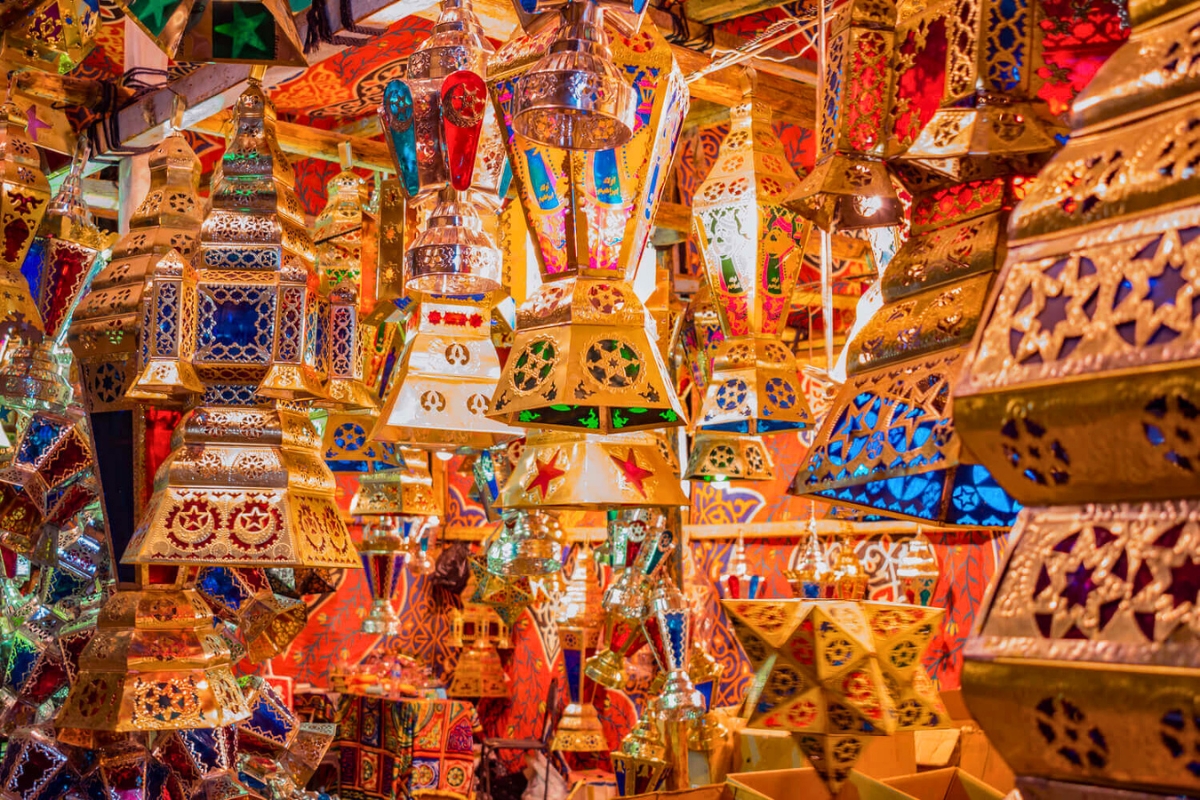
Consider Sham El Nessim, a spring festival that traces its roots back to ancient Egyptian harvest celebrations more than 4,500 years ago, yet is celebrated today by Muslims and Christians alike as a shared national holiday. Or consider Ramadan, when the entire rhythm of the country shifts, streets fill with lanterns called fanous, and family tables overflow at sunset for iftar.
Then there are the moulids, colorful local festivals honoring saints and religious figures, complete with music, food stalls, and processions that turn entire neighborhoods into open-air celebrations. Few destinations on earth offer travelers the chance to witness ancient egyptian holidays, deeply rooted islamic traditions, and Coptic Christian customs all within the same year, sometimes within the same city block.
For travelers asking what does egypt celebrate, the honest answer is: almost everything, and with tremendous heart. National holidays commemorate the 1952 Revolution, the October 1973 crossing of the Suez Canal, and Sinai Liberation Day, each marked with fireworks, flag displays, and public gatherings.
Religious holidays like Eid al-Fitr and Eid al-Adha bring extended families together for days of feasting, new clothes, and charity. Regional festivals celebrate everything from dates in Siwa to flowers in Luxor to seafood along the Mediterranean coast. This is why egypt festivals 2026 deserve a dedicated place in your travel planning rather than an afterthought.
What truly sets egypt holidays and traditions apart is how deeply they are woven into everyday hospitality. Egyptians do not just celebrate among themselves; they welcome visitors into the experience.
Shopkeepers offer sweets during Eid. Families invite curious travelers to taste homemade fiseekh during Sham El Nessim. Street vendors explain the meaning behind a moulid procession to anyone who asks.
This openness transforms a simple sightseeing trip into an immersive cultural journey, and it is precisely why so many travelers now plan their 2026 Egypt itinerary around the festival calendar rather than around it.
Another reason egyptian festivals feel so special in 2026 is timing. Egypt’s tourism infrastructure has expanded significantly, with new museums, restored heritage sites, and improved Nile cruise offerings making it easier than ever to combine festival travel with classic bucket-list experiences like the Pyramids of Giza, Luxor’s Valley of the Kings, and the Red Sea coast. Whether you are drawn by curiosity about egyptian holidays and celebrations, a love of vibrant cultural events, or simply the desire to see Egypt at its most alive, 2026 offers a calendar packed with reasons to book your trip now.
The Complete Calendar: Major Holidays in Egypt for 2026
Understanding the full calendar of major holidays in egypt is the single most useful thing you can do before booking your trip. Egypt’s calendar runs on two systems simultaneously: the fixed Gregorian calendar for national and Coptic holidays, and the moving Hijri lunar calendar for Islamic holidays, which shifts roughly 10 to 11 days earlier each year.
This is why understanding both systems matters so much for anyone asking what holidays are celebrated in egypt and when exactly they fall in 2026.
National holidays are fixed and easy to plan around. Coptic Christmas falls on January 7, celebrated with midnight mass and family gatherings, particularly strong in Cairo, Alexandria, and Upper Egypt. Revolution Day on January 25 commemorates the 2011 uprising with public reflection and civic events. Sinai Liberation Day on April 25 marks Egypt’s full sovereignty over the Sinai Peninsula, celebrated especially in Sinai resort towns like Sharm El Sheikh. Labour Day on May 1 is a nationwide public holiday. Revolution Day on July 23 commemorates the 1952 revolution led by the Free Officers Movement, and Armed Forces Day on October 6 celebrates the 1973 October War with military parades and fireworks, especially memorable if you happen to be in Cairo or Ismailia at the time.
Islamic holidays, on the other hand, move earlier each year on the Gregorian calendar because they follow the lunar Hijri calendar. In 2026, Ramadan is expected to begin around mid-February, with Eid al-Fitr following in mid-March. Eid al-Adha, the larger of the two Eid celebrations, is expected around late May 2026, and the Islamic New Year falls in the following months. Because these dates depend on lunar sightings, they can shift by a day or two, so travelers should always confirm exact dates closer to their travel window.
Below is a practical table summarizing the major holidays in egypt for 2026 that most affect travel planning:
| Holiday | Type | Approximate 2026 Date | What to Expect |
|---|---|---|---|
| Coptic Christmas | Religious (Christian) | January 7 | Church services, family feasts, especially in Cairo & Upper Egypt |
| Revolution Day (2011) | National | January 25 | Public holiday, reflective civic events |
| Sham El Nessim | Ancient/National | Late March or April | Picnics, colored eggs, spring festivities nationwide |
| Sinai Liberation Day | National | April 25 | Celebrations concentrated in Sinai region |
| Ramadan Begins | Religious (Islamic) | Mid-February (approx.) | Shifted business hours, iftar gatherings, festive lights |
| Eid al-Fitr | Religious (Islamic) | Mid-March (approx.) | Three-day public holiday, new clothes, sweets, family visits |
| Labour Day | National | May 1 | Public holiday, some closures |
| Eid al-Adha | Religious (Islamic) | Late May (approx.) | Four-day holiday, feasting, charity, travel surges |
| Revolution Day (1952) | National | July 23 | Flag displays, public commemorations |
| Armed Forces Day | National | October 6 | Military parades, fireworks in Cairo |
| Coptic Christmas Eve & New Year (Coptic calendar) | Religious (Christian) | September 11 (Coptic New Year) | Church services in Coptic communities |
This table alone answers one of the most common traveler questions: what is an important holiday that is celebrated in egypt, when is it, and how does it affect a trip? The truth is that egypt holidays and celebrations rarely disrupt travel in a negative way. Instead, they add color, festivity, and a level of cultural authenticity that a normal sightseeing week simply cannot match. Museums, ancient sites, and Nile cruises typically remain open during these periods, though it is wise to book accommodations and guided tours in advance since domestic tourism spikes sharply during Eid holidays and Sham El Nessim.
For travelers wondering about egyptian holidays ancient enough to predate written history, the next section dives deeper into where these traditions truly began.
Ancient Egyptian Holidays: Where Egypt’s Festival Culture Began
To understand modern celebrations in egypt, you first have to travel back roughly 5,000 years, to a civilization that essentially invented the concept of the structured festival calendar. Ancient egyptian holidays were tied closely to the Nile’s flooding cycle, agricultural seasons, and the worship of gods like Osiris, Isis, and Hathor. These holidays in ancient egypt were not small affairs; they were massive state events involving the pharaoh, priests, and entire cities, often lasting days or even weeks.
One of the most famous ancient egyptian festivals was the Opet Festival, celebrated annually in Thebes (modern-day Luxor). During this festival, statues of the gods Amun, Mut, and Khonsu were carried in a grand procession from the Karnak Temple to the Luxor Temple, accompanied by music, dancing, and offerings.
The festival reaffirmed the pharaoh’s divine right to rule and was one of the most important religious events of the ancient Egyptian calendar. Travelers visiting Luxor today can still walk the very avenue of sphinxes that once carried this sacred procession, making it one of the most powerful historical experiences connected to ancient egypt holidays anywhere in the world.
Another significant ancient egyptian holiday was the Feast of Wag, honoring the dead and the god Osiris, believed to be a precursor to many later traditions of honoring ancestors. The Beautiful Festival of the Valley involved families crossing the Nile to visit the tombs of deceased relatives, sharing meals at gravesides in a celebration that mixed mourning with joy — a tradition echoed today in some regional customs across Upper Egypt.
Perhaps the most enduring of all ancient festivals is Sham El Nessim, which we will explore in full detail in the next section, but it is worth noting here that its roots trace directly back to the ancient Egyptian celebration of the spring equinox and the return of fertility to the land after the Nile’s flood season. This makes Sham El Nessim arguably the oldest continuously celebrated holiday on earth, a fact that surprises most first-time visitors to Egypt.
What makes ancient egyptian holiday traditions so compelling for modern travelers is how many of their symbols survive today. The custom of coloring eggs, still central to Sham El Nessim, dates back to ancient celebrations of new life and fertility. The tradition of eating fish, still practiced today, connects to the ancient reverence for the Nile as a source of abundance. Even the timing of major festivals around agricultural and astronomical cycles echoes practices first recorded in temple inscriptions thousands of years ago.
For history-loving travelers, this is where Egypt truly separates itself from every other festival destination in the world. You are not just watching a modern parade; you are witnessing the living continuation of practices first performed in temples like Karnak and Abydos. Visiting sites such as the Temple of Hatshepsut, the Karnak Temple Complex, or Abydos during festival season allows you to connect ancient ritual with contemporary celebration in a way that few other places on earth can offer. If you want a 2026 itinerary that captures both ancient egyptian festivals and their living descendants, Upper Egypt — particularly Luxor and Abydos — should be at the top of your list.
Sham El Nessim: Egypt’s Ancient Spring Festival Explained
If there is one festival that captures the true spirit of egyptian celebrations, it is Sham El Nessim. The name translates roughly to “smelling the breeze,” and it marks the arrival of spring with an outdoor celebration that unites Egyptians of every religion and background. Sham El Nessim always falls the Monday after Coptic Easter, which means its date shifts each year; in 2026, it is expected to land in early April, while sham el nessim 2027 will fall around late April, since it follows the Orthodox Easter calendar rather than a fixed date.
What makes this festival so remarkable is its age. Historians and archaeologists trace its origins back to the ancient Egyptian Shemu festival, celebrated over 4,500 years ago to mark the harvest season and the retreat of the Nile floodwaters. This makes Sham El Nessim one of the oldest festivals still celebrated anywhere in the world today, predating most religious holidays by thousands of years. Ancient Egyptians associated this time of year with renewal, fertility, and the triumph of life over the dormancy of winter, themes that remain central to the festival’s symbolism today.
On the day itself, Egyptian families pack picnics and head to parks, riverbanks, gardens, and open spaces across the country. In Cairo, Al Azhar Park and the Zoo fill with families; in Alexandria, the Corniche becomes a sea of blankets and shared meals; in Luxor and Aswan, riverside spots along the Nile turn into full-day celebrations. Traditional foods define the day: feseekh, a salted and fermented fish considered an acquired taste even among locals; ringa, smoked herring; and colorfully dyed boiled eggs, often decorated by children the night before in a tradition remarkably similar to Easter egg dyeing, though its roots are entirely separate and far older.
For travelers, Sham El Nessim offers a rare opportunity to see Egyptians at their most relaxed and joyful. Unlike religious holidays that can carry more solemnity, this is a purely celebratory day, filled with laughter, music, kite flying, and green spaces packed with picnicking families. If your 2026 trip happens to align with this date, plan to spend the day outdoors alongside locals rather than inside a museum. Consider joining a Nile-side picnic experience, visiting a public garden in Cairo or Alexandria, or arranging a private felucca sail during the afternoon, when the Nile itself becomes part of the celebration.
A quick tip for travelers: because so many Egyptians take this day off to be outdoors, popular parks and riverside promenades can get crowded, especially in the late morning and afternoon. Arriving early or booking a private outdoor experience through a local travel agency can help you enjoy the festival’s atmosphere without the peak crowds. It is also worth noting that hotel restaurants often prepare special Sham El Nessim menus featuring the traditional foods described above, giving curious travelers a safe and comfortable way to try feseekh and other seasonal dishes for the first time.
Sham El Nessim is, in many ways, the perfect symbol of everything that makes egypt celebrations special: an unbroken thread connecting ancient pharaonic customs to modern national identity, celebrated joyfully by every Egyptian regardless of faith. For anyone planning a spring 2026 trip, timing your visit around this festival is one of the most authentic cultural experiences Egypt has to offer.
Islamic Holidays and Traditions in Egypt Celebrations
Islamic holidays form some of the most significant egyptian holidays and traditions on the calendar, shaping daily life, travel patterns, and the atmosphere of cities throughout the year. Because roughly 90 percent of Egypt’s population is Muslim, these holidays carry deep social and cultural weight, and experiencing them as a traveler offers a genuinely moving window into Egyptian life.
Ramadan is the most transformative of these periods. For an entire lunar month, expected to begin in mid-February 2026, observant Muslims fast from dawn until sunset. Far from being a quiet or subdued time, Ramadan actually brings a unique energy to Egyptian cities after dark. Streets fill with fanous lanterns, mosques glow with lights, and restaurants prepare elaborate iftar spreads for the moment the fast breaks each evening. Cairo’s Khan El Khalili bazaar becomes especially atmospheric during Ramadan nights, with vendors, musicians, and food stalls creating an experience unlike any other time of year. Travelers visiting during Ramadan should note that some restaurants adjust their daytime hours, but tourist areas, hotels, and Nile cruise services generally continue operating normally for visitors.
Eid al-Fitr follows immediately after Ramadan and is one of the most joyful egyptian celebrations of the year, expected around mid-March 2026. This three-day holiday involves new clothes, special sweets like kahk (a powdered-sugar cookie unique to Egypt), family visits, and charitable giving. Streets and public spaces fill with families enjoying the holiday together, and many Egyptians travel domestically during this period, making advance hotel bookings wise for travelers hoping to visit popular sites like Luxor or the Red Sea coast at the same time.
Eid al-Adha, expected around late May 2026, is the larger of the two Eid holidays and commemorates the Prophet Ibrahim’s willingness to sacrifice his son in obedience to God. It is marked by communal prayers, the ritual sacrifice of livestock, and the sharing of meat with family, neighbors, and those in need. This holiday typically lasts four days and, like Eid al-Fitr, sees a significant spike in domestic travel and family gatherings.
The Islamic New Year (Hijri New Year) and the Prophet’s Birthday (Mawlid al-Nabi) round out the major islamic holidays on Egypt’s calendar, each marked by prayers, storytelling, and in the case of Mawlid al-Nabi, sweet treats shaped like dolls and horses that are sold throughout the country in the weeks leading up to the holiday.
For travelers asking what holidays do egyptians celebrate from an Islamic perspective, the honest answer is that these holidays are as much about family, generosity, and community as they are about religious observance. Visitors are frequently welcomed to share in the hospitality, whether that means being offered kahk from a hotel front desk during Eid or invited to try dates and Ramadan sweets from a local shop. Approaching these holidays with curiosity and respect, dressing modestly near mosques and religious sites, and being mindful during Ramadan daylight hours, will make for a far richer and more welcomed travel experience throughout 2026.
Coptic Christian Celebrations and Traditions in Egypt
Egypt is home to one of the oldest Christian communities in the world, and Coptic celebrations form an essential part of egyptian holidays and traditions, particularly in Cairo, Alexandria, and communities throughout Upper Egypt. The Coptic Orthodox Church follows its own liturgical calendar, and its major holidays offer travelers a rarely discussed but deeply moving side of Egypt’s cultural identity.
Coptic Christmas, celebrated on January 7 rather than December 25, follows the Julian calendar used by the Coptic Church. The celebration begins with a period of fasting and culminates in a midnight mass, most famously held at the Cathedral of the Nativity of Christ in the New Administrative Capital, one of the largest cathedrals in the Middle East. Families gather afterward for festive meals, and the day itself, January 7, is recognized as an official public holiday throughout Egypt, reflecting the country’s commitment to religious inclusivity.
Coptic Easter, following the Orthodox calendar rather than the Western one, is the most significant date on the Coptic religious calendar and directly determines the date of Sham El Nessim, since the spring festival always falls the day after. Holy Week observances include processions, church services, and specific culinary traditions, with many churches in Old Cairo, particularly in the historic Coptic Cairo district near the Hanging Church and the Church of St. Sergius and Bacchus, holding beautifully solemn services that welcome respectful visitors.
The Coptic New Year, known as Nayrouz, falls on September 11 (or September 12 in leap years) and commemorates the beginning of the Coptic calendar, which is itself based on the ancient Egyptian civil calendar. This connection is a beautiful example of how Egypt’s Christian traditions are directly linked to its pharaonic past, another thread in the country’s remarkable continuity of celebration in egypt across thousands of years.
Travelers interested in Coptic culture should consider visiting Old Cairo’s Coptic Quarter, home to some of the oldest churches in the world, including the Hanging Church, which dates back to the 3rd century. Guided tours through this district often coincide beautifully with an exploration of Islamic Cairo and the Egyptian Museum, allowing visitors to experience the full religious diversity that defines egyptian holidays and celebrations in a single day.
Monasteries in the Eastern Desert, such as St. Anthony’s and St. Paul’s monasteries, some of the oldest continuously inhabited monasteries in the world, also hold special significance during major Coptic feast days and welcome respectful visitors interested in this lesser-known but deeply important side of Egypt’s celebration culture. For travelers seeking a complete picture of what holidays are celebrated in egypt, understanding and experiencing Coptic Christian traditions alongside Islamic and ancient pharaonic customs offers the fullest, most authentic view of the country’s extraordinary cultural layering.
Egyptian Cultural Festivals, Food Festivals, and Local Moulids
Beyond the major religious and national holidays, egypt is home to a rich calendar of cultural festivals, food festivals, and local celebrations that reveal the country’s regional diversity. These events are often less known to international travelers, which makes them some of the most rewarding cultural festivals to seek out in 2026.
Moulids are among the most distinctive local festivals in egypt. These are celebrations honoring the birthdays of saints, religious scholars, or local holy figures, and they occur throughout the year in cities and villages across the country. The Moulid of Sayyida Zeinab in Cairo and the Moulid of Sidi Abu El Hassan El Shazly in Upper Egypt are among the largest, drawing hundreds of thousands of visitors for days of music, Sufi chanting, street food, and colorful processions. These festivals blend religious devotion with the atmosphere of a lively street fair, complete with vendors selling traditional sweets called moulid dolls and sugar horses, especially popular with children.
For travelers specifically interested in food festivals near me while visiting Egypt, the country offers several excellent options depending on the season. The Egypt International Halal Expo and various Ramadan food markets showcase Egyptian culinary traditions, while smaller regional food festivals celebrate local specialties: date festivals in Siwa and the Western Desert oases, citrus festivals in the Nile Delta, and seafood festivals along the Mediterranean and Red Sea coasts. Alexandria in particular hosts seasonal seafood celebrations that highlight the city’s deep connection to the Mediterranean, offering visitors a delicious way to explore egyptian traditions and celebrations through food.
Cultural events in egypt extend well beyond food and religious observance. The Cairo International Film Festival, one of the oldest film festivals in the Middle East and Africa, draws filmmakers and cinema lovers from around the world each November. The Luxor African Film Festival celebrates African cinema against the backdrop of ancient temples. The Cairo Jazz Festival brings international and Egyptian musicians together for several nights of performances in the capital. Meanwhile, the Ismailia International Festival for Documentary Films offers a quieter, more specialized cultural experience for travelers interested in art and storytelling.
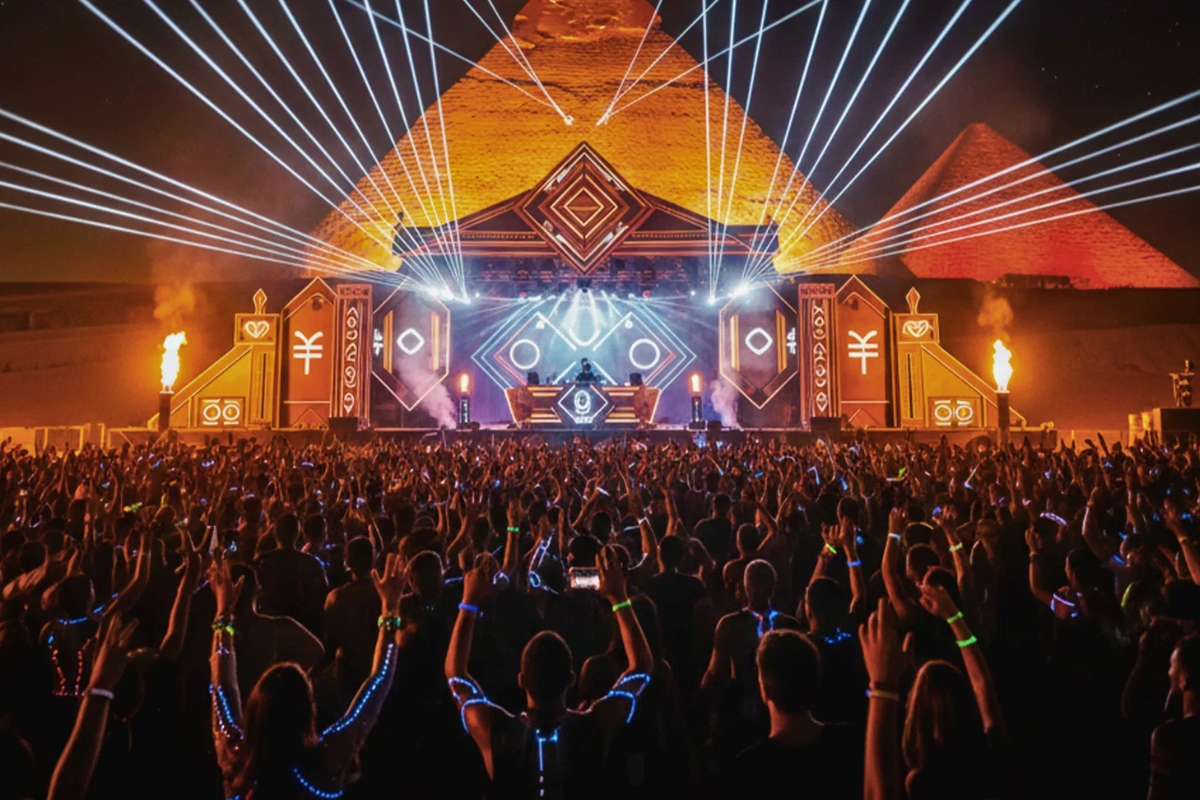
Music and heritage festivals also thrive across the country. The Sound and Light Show at the Pyramids of Giza, while running year-round, becomes especially atmospheric during festival seasons, and various Sufi music festivals showcase the mystical musical traditions tied closely to Egypt’s moulid culture. In Nubia, cultural festivals celebrating Nubian heritage, music, and crafts offer travelers heading to Aswan a chance to explore a distinct and often overlooked layer of Egyptian identity.
For travelers building a 2026 itinerary, timing a visit around one of these cultural festivals can transform a standard sightseeing trip into something far more memorable. Rather than only viewing Egypt’s history in museums and temples, these festivals allow you to witness how that history continues to shape a living, breathing culture today. A well-planned itinerary that combines a major site like Karnak Temple with a local moulid or food festival happening nearby offers the kind of layered, authentic experience that keeps travelers talking about their trip for years afterward.
Regional Festivals Across Egypt: A City-by-City Guide
Egypt’s celebration calendar changes dramatically depending on where you are standing, and understanding these regional differences is key to planning a 2026 trip that matches your interests. The table below breaks down some of the most notable regional festivals and celebrations by location, helping travelers choose destinations based on the specific cultural experiences they want most.
| Region | Signature Festival or Celebration | Best Time to Visit | Highlights |
|---|---|---|---|
| Cairo | Cairo International Film Festival, Ramadan nights in Khan El Khalili | November (film festival), February–March (Ramadan) | Cinema screenings, lantern-lit bazaars, iftar culture |
| Luxor | Opet Festival heritage sites, Luxor African Film Festival | March (film festival), year-round for Opet heritage sites | Temple processions history, ancient festival routes |
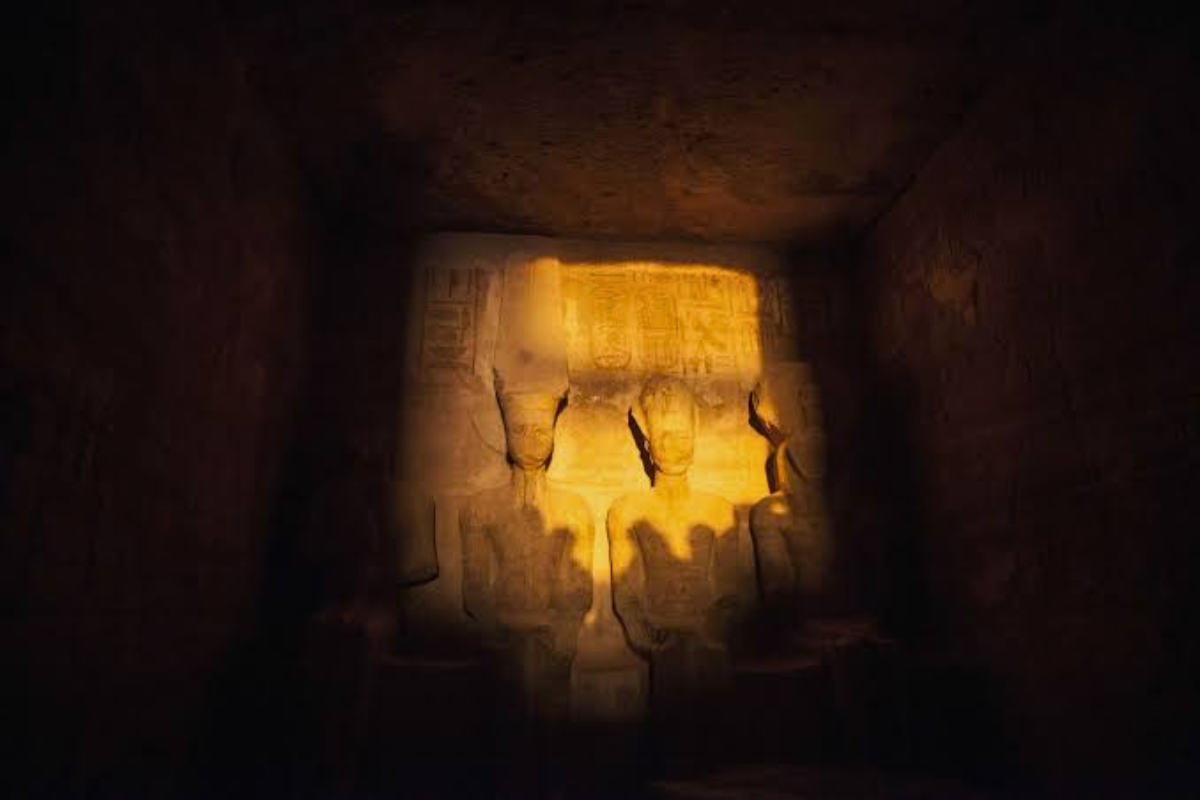
| Aswan | Abu Simbel Sun Festival, Nubian cultural festivals | February 22 & October 22 (Sun Festival) | Sunlight aligning with temple statues, Nubian music and crafts |
| Alexandria | Seafood and coastal festivals, Alexandria Mediterranean Film Festival | Summer months | Mediterranean cuisine, coastal celebrations |
| Siwa Oasis | Siyaha Festival (date harvest festival) | October (around the full moon) | Communal feasts, reconciliation traditions, desert culture |
| Sharm El Sheikh & Sinai | Sinai Liberation Day celebrations | April 25 | Coastal festivities, fireworks, resort-town events |
| Ismailia | Ismailia International Documentary Film Festival | Varies annually | Independent film screenings, cultural discussions |
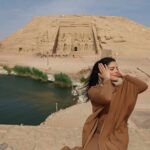
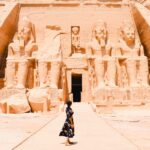
One of the most spectacular and lesser-known egyptian festivals is the Abu Simbel Sun Festival, held twice a year on February 22 and October 22. On these two precise days, sunlight aligns perfectly through the entrance of the Great Temple of Ramses II, illuminating the inner sanctuary statues in a phenomenon originally engineered by ancient architects over 3,000 years ago. Thousands of travelers gather before dawn to witness this astronomical and architectural marvel, making it one of the most bucket-list-worthy cultural events in egypt for precision planners who want to build an entire trip around a single unforgettable moment.
In Siwa Oasis, the Siyaha Festival, held annually in October, is a centuries-old tradition where the local community gathers for a shared feast intended to resolve disputes and reaffirm social bonds. This lesser-known festival offers travelers a glimpse into Egypt’s Berber and desert heritage, far removed from the more commonly visited Nile Valley sites, and represents one of the most unique egypt local festivals available to adventurous 2026 travelers.
Whether your priority is ancient astronomy at Abu Simbel, cinema culture in Cairo, coastal celebration in Alexandria, or desert tradition in Siwa, Egypt’s regional festival map ensures there is a meaningful cultural experience waiting in nearly every corner of the country. Building your itinerary around these regional celebrations, rather than sticking only to the standard Cairo-Luxor-Aswan route, is one of the best ways to make your 2026 trip stand out from a typical Egypt vacation.
How to Experience Egyptian Celebrations Like a Local: Traveler Tips for 2026
Knowing when egypt celebrations happen is only half the equation; knowing how to experience them respectfully and fully is what turns a good trip into an extraordinary one. Below are practical, field-tested tips for travelers hoping to make the most of Egypt’s festival calendar in 2026.
Book accommodations and tours well in advance. Major holidays like Eid al-Fitr, Eid al-Adha, and Sham El Nessim see a significant spike in domestic tourism, with Egyptian families traveling to Luxor, Aswan, Alexandria, and the Red Sea coast in large numbers. Hotels and Nile cruises can sell out weeks ahead of these dates. Booking through a specialized travel agency ensures you secure premium accommodations and guides even during peak celebration periods.
Dress modestly and respectfully, especially during religious holidays. Whether visiting a mosque during Ramadan, a church during Coptic Easter, or a moulid celebration, modest clothing that covers shoulders and knees is appreciated and, in many religious sites, required. This is especially important for women visiting mosques, where a headscarf is typically expected.
Be mindful during Ramadan daylight hours. While tourist restaurants and hotels continue serving food and drink to visitors throughout the day, it is respectful to avoid eating or drinking in public spaces during fasting hours, particularly outside of tourist zones. Evenings, however, are when Ramadan truly comes alive, and travelers are strongly encouraged to experience an iftar meal, either at a hotel or through a guided cultural evening.
Learn a few key phrases and customs before you go. Simple greetings like “Kul sana wa enta tayeb” (a traditional holiday greeting meaning “may you be well every year”) go a long way during Eid celebrations, and locals consistently respond warmly to visitors who make an effort to understand egyptian traditions and celebrations rather than simply observing from a distance.
Try the seasonal foods. From feseekh during Sham El Nessim to kahk during Eid al-Fitr, food is one of the most accessible and enjoyable ways to participate in egyptian holidays and celebrations. Ask your guide or hotel staff for recommendations, and don’t be afraid to try something new, even if it looks unfamiliar.
Time your visit to iconic sites around festival dates. Visiting Karnak Temple during a period connected to the ancient Opet Festival route, or timing an Aswan visit to coincide with the Abu Simbel Sun Festival, transforms a standard sightseeing stop into a once-in-a-lifetime cultural moment.
Travel with a knowledgeable local guide. Many of Egypt’s most meaningful celebrations, particularly moulids and smaller regional festivals, are not well documented in English-language travel resources. A knowledgeable local guide can help you navigate these events safely, respectfully, and with far deeper cultural context than you could gain on your own.
Stay flexible around Islamic holiday dates. Because Ramadan, Eid al-Fitr, and Eid al-Adha follow the lunar calendar, exact dates can shift by a day or two based on moon sighting confirmations. Building a small buffer into your itinerary around these dates ensures you don’t miss the celebration due to a last-minute date adjustment.
Following these tips will not only enhance your personal experience of egypt celebrations but will also demonstrate the kind of cultural respect that opens doors to richer, more memorable interactions with the people who make these festivals so special in the first place.
Frequently Asked Questions About Egyptian Holidays and Celebrations
What is an important holiday that is celebrated in Egypt? When is it?
One of the most important holidays in egypt is Eid al-Fitr, which marks the end of Ramadan and is expected around mid-March 2026. It is a three-day national holiday filled with family gatherings, new clothes, sweets like kahk, and charitable giving, making it one of the most joyful and widely observed celebrations on the entire calendar.
What is the most important holiday in Egypt?
While opinions vary, Eid al-Adha is often considered the most significant religious holiday in egypt due to its deep spiritual meaning and the scale of celebration involved, including communal prayers, ritual sacrifice, and extensive charitable food distribution. Nationally, Sham El Nessim holds a unique place as the most universally celebrated holiday, observed by Egyptians of every religious background.
What festivals are celebrated in Egypt?
Egypt celebrates a wide mix of festivals in egypt, including national holidays (Revolution Day, Sinai Liberation Day, Armed Forces Day), Islamic holidays (Ramadan, Eid al-Fitr, Eid al-Adha), Coptic Christian holidays (Coptic Christmas, Coptic Easter, Nayrouz), the ancient Sham El Nessim spring festival, regional moulids, and modern cultural events like the Cairo International Film Festival and the Abu Simbel Sun Festival.
What do Egyptians celebrate?
Egyptians celebrate a rich combination of religious faith, national pride, and ancient heritage. From honoring the Nile’s ancient agricultural cycles during Sham El Nessim to commemorating pivotal moments in modern Egyptian history like the 1973 October War, egyptian celebrations reflect a deep, layered sense of identity built across thousands of years.
What holidays do Egyptians celebrate that are unique to Egypt?
Sham El Nessim is unique to Egypt and is not celebrated anywhere else in the world in quite the same way, given its direct roots in ancient Egyptian civilization. The Abu Simbel Sun Festival is also entirely unique to Egypt, tied specifically to the architectural alignment of a single ancient temple.
Are Egypt’s holidays safe and welcoming for foreign travelers?
Yes. Egyptian holidays and celebrations are known for their warmth and hospitality toward visitors. Tourist areas remain fully operational during nearly all holidays, and locals are generally enthusiastic about sharing their traditions with curious, respectful travelers.
What holidays are celebrated in Egypt overall?
Beyond the major dates already covered, popular holidays in egypt also include Coptic Good Friday and Easter Sunday, the Prophet’s Birthday (Mawlid al-Nabi), and Police Day on January 25, which coincides with Revolution Day. Together with the national, Islamic, Coptic, and ancient festivals detailed throughout this guide, these dates form one of the most comprehensive holiday calendars found in any single country.
What are some traditional holidays in Egypt that travelers often overlook?
Traditional holidays in egypt such as Nayrouz (the Coptic New Year) and regional moulids frequently fly under the radar for international travelers, despite offering some of the most authentic cultural experiences available. These traditional holidays in egypt tend to be less crowded with tourists than the major national or Islamic holidays, making them an excellent choice for travelers who want a quieter, more local experience of egyptian celebrations and traditions.
How do egyptian holidays and traditions differ from celebrations in other Middle Eastern countries?
While many Islamic holidays are shared across the wider Middle East and North Africa region, Egypt’s celebration calendar stands apart because of its unique layering of ancient pharaonic customs, a large and historic Coptic Christian population, and distinctly Egyptian traditions like Sham El Nessim and the Abu Simbel Sun Festival, neither of which has a direct equivalent anywhere else in the region.
What is a good way to experience egyptian holidays and celebrations without speaking Arabic?
Most tourist-facing festivals, hotels, and guided experiences in Egypt operate comfortably in English, and a knowledgeable local guide can bridge any language gap during smaller or more local celebrations such as moulids. Booking guided festival experiences through an established travel agency is the easiest way to enjoy egyptian celebrations and traditions fully, regardless of language ability.
Is it possible to combine multiple egyptian festivals in a single 2027 trip?
Absolutely. Because Egypt’s celebration calendar spans national, religious, ancient, and regional events throughout the year, a well-timed two-week trip can realistically combine two or even three major festivals, particularly if it is planned around spring, when Ramadan, Eid al-Fitr, and Sham El Nessim often cluster closely together on the calendar.
Practical Packing and Preparation Tips for Festival Travel in Egypt
Preparing properly for a festival-focused trip involves a few considerations beyond standard Egypt travel packing lists. Since many egypt celebrations involve extended time outdoors, in crowded public spaces, or inside religious sites, a bit of extra preparation goes a long way toward comfort and cultural respect.
Pack modest, breathable clothing. Lightweight cotton or linen clothing that covers shoulders and knees works well for both comfort in Egypt’s climate and respect during visits to mosques, churches, and religious festivals. A light scarf or shawl is particularly useful for women visiting mosques or attending more conservative religious celebrations.
Bring comfortable walking shoes. Festivals such as Sham El Nessim and major moulids often involve long periods of standing or walking through crowded outdoor spaces, parks, or narrow historic streets, making sturdy, comfortable footwear essential.
Plan for sun and heat, even during cooler months. Even in winter and early spring, midday sun in Egypt can be intense, particularly during outdoor festival activities like Sham El Nessim picnics or the early-morning gathering for the Abu Simbel Sun Festival. Sunscreen, a hat, and a reusable water bottle are simple additions that make a noticeable difference in comfort.
Carry small amounts of local currency. Many festival experiences, from moulid street food stalls to small souvenir vendors during Eid celebrations, operate on cash. Having small denominations of Egyptian pounds on hand makes it easier to participate fully in the local festival economy, from trying feseekh at a Sham El Nessim picnic to buying a sugar doll during Mawlid al-Nabi celebrations.
Charge your camera and bring extra storage. Between the illumination of the inner sanctuary at Abu Simbel, the lantern-lit streets of Ramadan, and the colorful chaos of a moulid procession, egyptian celebrations offer some of the most photogenic moments of any trip to Egypt. Bringing extra battery power and storage ensures you never miss a shot.
Confirm holiday-specific opening hours in advance. While major sites remain open during almost all egyptian holidays, some smaller local attractions or specific timings, particularly around Eid and Ramadan, may shift slightly. A quick confirmation from your travel agency or hotel concierge the day before ensures a smooth, surprise-free schedule.
Build in buffer time. Given that many Islamic holiday dates depend on lunar sighting confirmations that are only finalized a day or two beforehand, building a small amount of flexibility into your itinerary, particularly if a specific festival is central to your trip, is one of the smartest planning decisions a traveler can make for 2026.
With the right preparation, experiencing egyptian holidays and traditions firsthand becomes not just manageable but genuinely one of the highlights of an Egypt trip, turning practical planning into part of the adventure itself.
Egyptian Holidays in International Context: Festividades de Egipto and Beyond
Interest in egyptian celebrations extends well beyond English-speaking travelers, and it is worth noting how this rich festival calendar is discussed around the world. Spanish-speaking travelers researching their trip often search for festividades de egipto or festivales de egipto, looking for the same information covered throughout this guide: national holidays, Islamic observances, Coptic traditions, and ancient festivals like Sham El Nessim. Similarly, Turkish-speaking travelers frequently search for mısır festival 2026 or mısır festivalleri when planning trips, reflecting Egypt’s growing popularity as a cultural and historical destination among travelers from Europe, Latin America, and beyond.
This global interest underscores an important point: Egypt celebrations are not simply a niche local curiosity but a genuinely world-class cultural draw. Just as travelers plan trips to India around Diwali or to Spain around La Tomatina, an increasing number of international visitors are now building entire 2026 itineraries around Egypt’s festival calendar, from the ancient astronomy of the Abu Simbel Sun Festival to the citywide joy of Sham El Nessim.
For international travelers, this means planning ahead is even more important, as flights, hotels, and guided tours around major festival dates can fill up with both domestic Egyptian travelers and international visitors alike. It also means that Egypt’s tourism sector, including hotels, cruise operators, and travel agencies, has become increasingly experienced at welcoming and explaining these celebrations to visitors from every corner of the globe, ensuring a smooth, informative, and unforgettable cultural experience regardless of where you are traveling from.
Sample 2026 Itinerary Ideas Built Around Egypt’s Festival Calendar
For travelers who want a concrete starting point, here are a few sample itinerary concepts that combine Egypt’s classic must-see sites with its richest celebrations, each designed to maximize both cultural depth and comfort.
The Spring Celebration Journey (7–9 Days): Arrive in Cairo in late March or early April to experience Sham El Nessim firsthand, spend a day exploring Islamic Cairo and Coptic Cairo, then fly to Luxor to walk the ancient Opet Festival route between Karnak and Luxor Temple, before continuing to Aswan for a Nile cruise and, if timed correctly, the spring Abu Simbel Sun Festival on February 22 (better suited to a slightly earlier trip) or simply the temple’s year-round grandeur.
The Ramadan and Eid Experience (10–12 Days): For travelers curious about Islamic traditions, arriving during Ramadan and staying through Eid al-Fitr offers an unmatched cultural immersion, combining nightly iftar experiences in Cairo with the joyful atmosphere of Eid celebrations in Luxor and Aswan.
The Ancient Festivals and Astronomy Trip (5–7 Days): Focused specifically around February 22 or October 22, this itinerary centers on witnessing the Abu Simbel Sun Festival, paired with a comprehensive tour of Luxor’s temple complexes and a Nile cruise between Luxor and Aswan.
The Coastal and Cultural Combo (8–10 Days): Combining Cairo’s cultural festivals, such as the Cairo International Film Festival in November, with relaxation time in Sharm El Sheikh or Alexandria, this itinerary balances cultural immersion with beach downtime, ideal for travelers who want celebration and relaxation in equal measure.
Each of these itineraries can be fully customized based on your travel dates, interests, and pace, and this is precisely where working with a specialized Egypt travel agency makes the biggest difference in turning a good idea into a flawlessly executed trip.
Egypt’s Celebration Calendar Through the Seasons
Another useful way to plan a 2026 trip is to think about egypt holidays and traditions season by season, since each part of the year brings a distinct flavor of celebration, weather, and travel experience. This seasonal lens helps travelers who are more interested in matching a festival to a comfortable climate than chasing a single specific date.
Winter, from December through February, is peak tourist season in Egypt, with mild temperatures that make sightseeing comfortable across Cairo, Luxor, and Aswan. This period includes Coptic Christmas on January 7, Revolution Day on January 25, and, depending on the lunar calendar, the early weeks of Ramadan may also begin toward the end of this season in 2026. The Abu Simbel Sun Festival on February 22 also falls within this window, making winter one of the richest seasons for combining comfortable weather with major cultural events. Hotels and Nile cruises book up quickly during winter, so travelers hoping to combine pleasant weather with festival season should reserve well ahead of time.
Spring, from March through May, is arguably the most festival-dense season on the entire Egyptian calendar. This is when Ramadan typically continues or concludes, Eid al-Fitr is celebrated, Sham El Nessim brings the entire country outdoors, and Sinai Liberation Day and Labour Day round out the season. Spring weather remains pleasant in most of the country, though southern regions like Aswan begin warming considerably by late April. For travelers who want to witness the single greatest concentration of egyptian celebrations in one trip, spring 2026 is difficult to beat.
Summer, from June through August, is Egypt’s hottest season, with temperatures in Luxor and Aswan regularly exceeding 40 degrees Celsius. Eid al-Adha typically falls within this window in 2026, bringing a major religious and family celebration despite the heat. Coastal destinations like Alexandria and the Red Sea resorts become especially popular during summer, both for their relatively cooler sea breezes and their seasonal seafood festivals. Travelers who prioritize coastal celebration in egypt over desert sightseeing often find summer to be an underrated time to visit, provided they plan indoor and shaded activities during the hottest midday hours.
Autumn, from September through November, offers a wonderful balance of cooling temperatures and rich cultural programming. The Coptic New Year, Nayrouz, falls in mid-September. The second Abu Simbel Sun Festival occurs on October 22, and the Siyaha Festival in Siwa Oasis takes place around the same month. November brings the Cairo International Film Festival, one of the region’s most prestigious cultural events. This season is often considered the sweet spot for travelers who want strong cultural programming without the peak crowds and higher prices of winter.
Understanding this seasonal rhythm allows travelers to reverse-engineer their 2026 itinerary: instead of picking a destination first, you can pick the celebration and season that most excites you, then let that decision guide your entire trip. Whether that means chasing mild winter weather alongside the Sun Festival, embracing spring’s festival-packed calendar, enjoying summer’s coastal celebrations, or savoring autumn’s cultural events, Egypt’s year-round festival calendar means there truly is no bad time to plan a celebration-focused trip.
Common Mistakes Travelers Make When Planning Around Egyptian Festivals
Even experienced travelers make avoidable mistakes when trying to plan a trip around egypt celebrations, and knowing these pitfalls in advance can save both time and money.
Mistake one: Assuming Islamic holiday dates are fixed. Because Ramadan, Eid al-Fitr, and Eid al-Adha follow the lunar Hijri calendar, their Gregorian dates shift by roughly 10 to 11 days every year. A traveler using a 2024 or 2025 date for 2026 planning will end up significantly off. Always confirm dates closer to your travel window, or work with a knowledgeable travel agency that tracks these shifts precisely.
Mistake two: Booking accommodations too late. Sham El Nessim, Eid al-Fitr, and Eid al-Adha all trigger major domestic travel surges within Egypt, and hotels in Luxor, Aswan, Alexandria, and the Red Sea resorts can sell out weeks in advance. International travelers who wait until the last minute often find themselves with limited or overpriced options.
Mistake three: Assuming everything closes for the holidays. In reality, tourist sites, museums, and hotels remain open during almost every major holiday, including Ramadan and Eid. What changes is the atmosphere, not accessibility. Some smaller local shops and government offices may close briefly, but this rarely affects a well-planned travel itinerary.
Mistake four: Overlooking regional festivals in favor of only the “big three” cities. Many travelers focus exclusively on Cairo, Luxor, and Aswan, missing unique regional celebrations like the Siyaha Festival in Siwa Oasis or coastal seafood festivals in Alexandria. Building in even a short detour to a regional festival can dramatically enrich a 2026 itinerary.
Mistake five: Not dressing or behaving appropriately during religious observances. Wearing overly casual or revealing clothing near mosques, churches, or during religious processions can feel disrespectful to local communities. A little research and preparation goes a long way toward being welcomed warmly into these celebrations rather than standing out as an uninformed visitor.
Mistake six: Trying to plan a complex, multi-region festival itinerary without local expertise. Egypt’s blend of national, religious, ancient, and regional celebrations creates a genuinely complex calendar. Without accurate, up-to-date local knowledge, it is easy to miss a festival entirely or arrive on the wrong date due to a lunar calendar shift. This is one of the strongest reasons to lean on an experienced local travel agency rather than attempting to piece together festival dates from scattered, sometimes outdated, online sources.
Avoiding these six mistakes is often the difference between a trip that merely includes some sightseeing during a holiday period, and a trip that is genuinely built around experiencing egyptian celebrations at their absolute best.
Why 2026 Is the Best Year Yet to Experience Egypt’s Celebrations
Several factors make 2026 a particularly compelling year for travelers interested in festivals in egypt. Egypt’s tourism infrastructure has grown substantially in recent years, with the long-anticipated Grand Egyptian Museum near the Giza Plateau now fully open, offering an unparalleled setting to pair world-class ancient Egyptian artifacts with the living festival traditions described throughout this guide. New luxury and mid-range hotel developments across Cairo, Luxor, Aswan, and the Red Sea coast have expanded capacity, making it easier to secure quality accommodations even during high-demand festival periods.
Additionally, improved domestic flight connections and expanded Nile cruise fleets mean travelers can move between festival destinations, such as witnessing Sham El Nessim in Cairo before flying south for temple exploration in Luxor, more efficiently than in previous years. Enhanced visitor services, including better English-language signage, expanded guided tour options, and more travel agencies specializing specifically in cultural and festival tourism, have also made it significantly easier for international travelers to access authentic celebration experiences that were once difficult to find outside of personal local connections.
Global interest in cultural and heritage tourism has also grown considerably, with travelers increasingly seeking experiences that go beyond standard sightseeing checklists. Egypt celebrations, with their unmatched blend of ancient, religious, and modern traditions, fit perfectly into this broader travel trend, positioning 2026 as an ideal year to combine bucket-list monuments like the Pyramids of Giza and Abu Simbel with deeply immersive cultural festival experiences.
Conclusion: Plan Your 2026 Egypt Celebrations Journey With Confidence
Egypt celebrations offer something no other destination can fully replicate: a living, breathing calendar that connects ancient pharaonic ritual, deep Islamic tradition, historic Coptic Christian faith, and modern national pride into one unforgettable travel experience. Whether you dream of picnicking along the Nile during Sham El Nessim, witnessing sunlight illuminate the inner sanctuary at Abu Simbel, sharing an iftar meal during Ramadan, or dancing through the streets during a colorful local moulid, 2026 is shaping up to be an extraordinary year to experience Egypt’s festivals firsthand.
The key to making the most of these celebrations lies in careful planning, cultural respect, and expert local guidance, all of which turn a simple sightseeing trip into a truly immersive journey through one of the world’s most celebrated cultures.
This is exactly where Egypt All Inclusive comes in. As the best travel agency in Egypt in 2026, Egypt All Inclusive specializes in crafting personalized itineraries that align perfectly with Egypt’s festival calendar, from Sham El Nessim picnics and Ramadan cultural evenings to Nile cruises timed around the Abu Simbel Sun Festival.
Our expert local guides, handpicked accommodations, and deep knowledge of egyptian holidays and traditions ensure your trip captures the true heart of Egypt’s celebrations, not just its monuments. Don’t leave your 2026 Egypt adventure to chance. Book your trip with Egypt All Inclusive today, and let us design the festival-filled journey of a lifetime, tailored entirely around you.