Egypt Pyramids Tours in 2026 are the most requested travel experience for visitors who want to explore the heart of ancient civilization with expert planning, clear pricing, and real local knowledge. At Egypt All Inclusive, we design carefully structured journeys that turn a simple visit into a complete, well-organized experience, making us the best travel agency in Egypt in 2026 for travelers seeking quality, trust, and value.
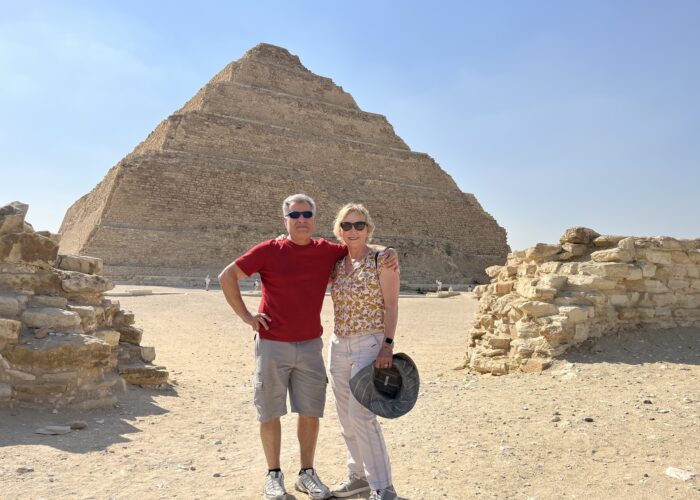
Our egypt pyramids tour experiences are crafted for travelers who want more than photos. Every itinerary is built around expert Egyptologists, smooth transportation, and flexible schedules. Whether you are comparing egypt pyramids tours for a short stay or planning a full historical route, our programs cover Giza, Saqqara, Memphis, and Dahshur with precision and comfort.
...
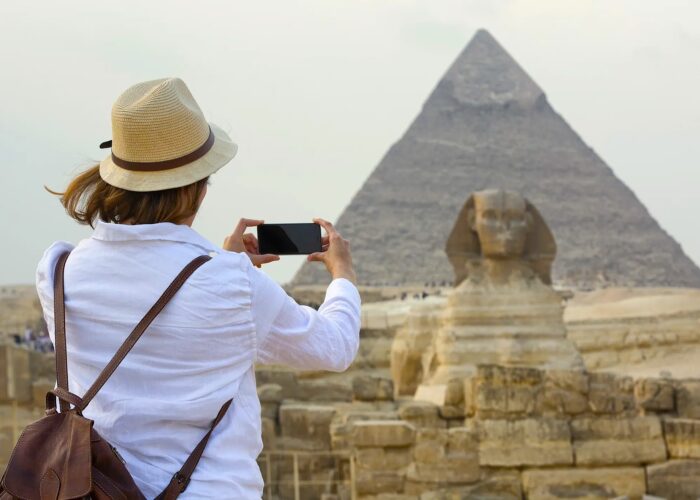
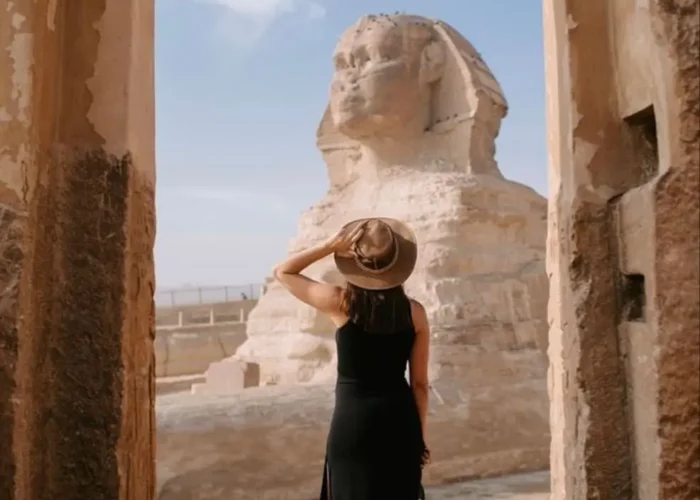
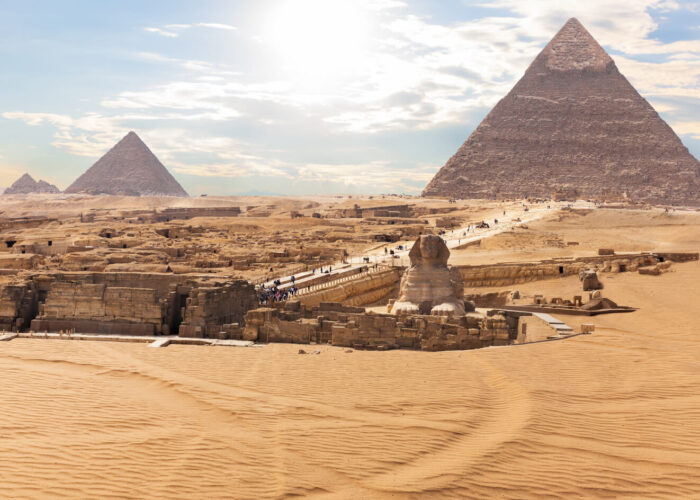


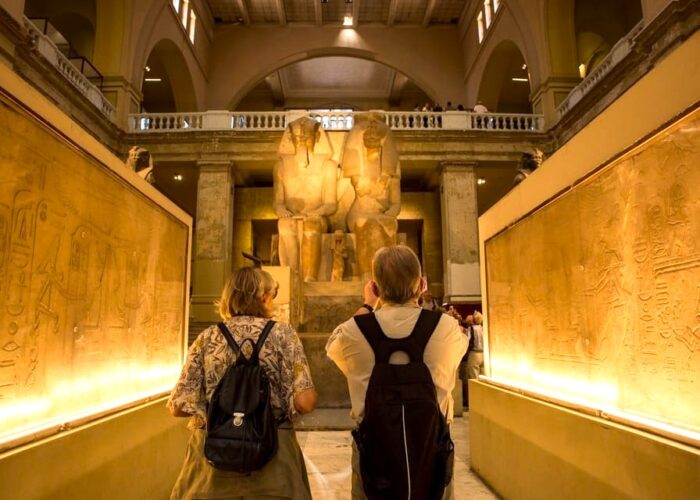
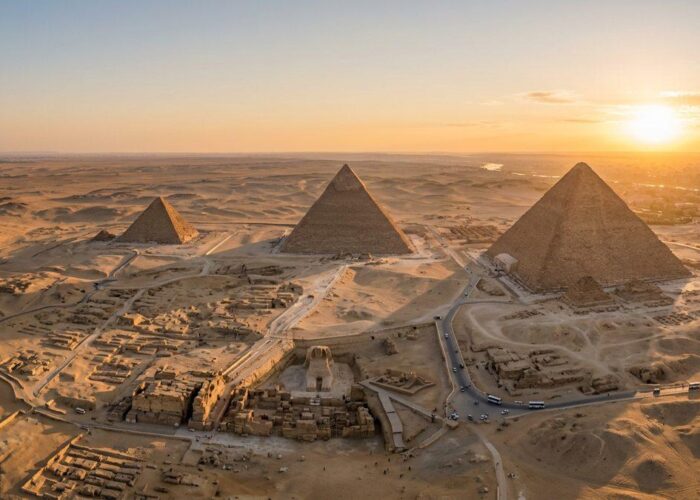




Most Egypt Pyramids tours include hotel pickup and drop-off, private or shared transportation, a professional Egyptologist guide, entrance to the Giza Plateau, and visits to the Great Pyramid, the Pyramid of Khafre, the Pyramid of Menkaure, the Great Sphinx, and the Valley Temple. Many tours also offer optional entry inside the Great Pyramid, camel rides, lunch, or visits to the Grand Egyptian Museum and Saqqara.
A standard Giza Necropolis tour usually lasts 4 to 6 hours. Full-day tours that include Saqqara, Memphis, or the Grand Egyptian Museum typically take 8 to 10 hours.
Yes. Visitors can enter the Great Pyramid of Khufu by purchasing a separate entrance ticket. Access is limited each day, and the interior consists of narrow passageways leading to the King’s Chamber.
Some tours include a camel ride, while others offer it as an optional activity. Always confirm what’s included before booking.
The best time is between October and April, when temperatures are cooler. Visiting early in the morning helps avoid crowds and midday heat.
Yes. Private tours are widely available and provide flexible itineraries, private transportation, personalized guiding, and more time at each attraction.
Wear lightweight, breathable clothing, comfortable walking shoes, sunglasses, sunscreen, and a hat. During winter evenings, bring a light jacket.
Yes. The Giza Necropolis is family-friendly, and children usually enjoy seeing the pyramids, the Sphinx, and camel rides. Parents should supervise younger children due to uneven terrain.
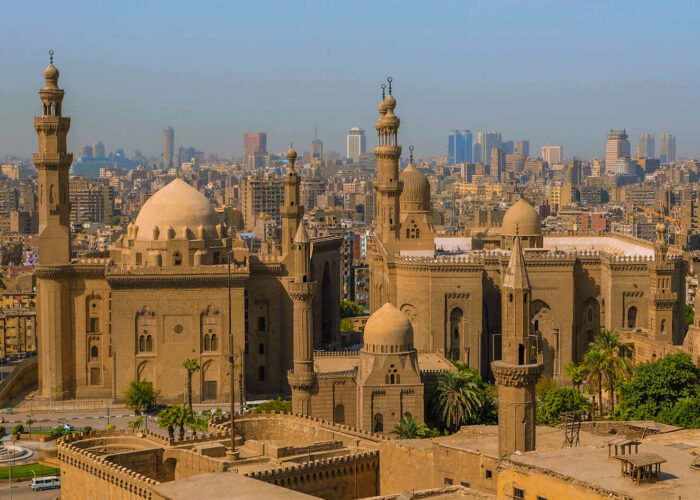
Yes. Many visitors combine the Giza Pyramids with the Grand Egyptian Museum, Saqqara, Memphis, Old Cairo, the Egyptian Museum, or a Nile dinner cruise.
Yes. Many tour operators offer airport pickup, making it easy to visit the pyramids during a layover or immediately after arrival.
Yes. Photography is permitted throughout most outdoor areas of the Giza Plateau. Some interior chambers may require an additional photography ticket, and flash photography may be restricted.
Recent archaeological discoveries include workers’ tombs, ancient burial shafts, statues, inscriptions, and ongoing excavations that provide new insights into the people who built and maintained the pyramids. These findings continue to improve our understanding of ancient Egyptian civilization.
Yes. There is no credible archaeological evidence that aliens built the pyramids. Research shows they were constructed by skilled Egyptian workers using advanced engineering techniques, organized labor, and locally available materials.
Occasionally, individuals illegally climb the pyramids despite strict regulations. Egyptian authorities prohibit climbing the monuments to protect these UNESCO World Heritage Sites, and offenders can face fines, arrest, or deportation.
The pyramids were built using millions of limestone and granite blocks transported by organized teams of workers. Archaeologists believe ramps, sledges, ropes, and copper tools were used over several decades.
Yes. The Giza Sound and Light Show takes place most evenings and uses lights, narration, and music to tell the story of ancient Egypt, the pyramids, and the Great Sphinx.
The pyramids are monumental stone tombs built for Egyptian pharaohs and members of the royal family during the Old and Middle Kingdoms. They symbolize the pharaoh’s journey to the afterlife.
The pyramids served as royal tombs designed to protect the pharaoh’s body and possessions while ensuring a successful journey into the afterlife according to ancient Egyptian beliefs.
Most Egyptian pyramids were constructed between about 2700 BC and 1700 BC, with the famous Giza pyramids built during the Fourth Dynasty around 2580–2510 BC.
Archaeologists have identified more than 120 pyramids across Egypt, with new discoveries occasionally adding to the total.
Egyptian pyramids are found in several locations, including Giza, Saqqara, Dahshur, Abu Sir, Meidum, Lisht, Hawara, and other archaeological sites along the Nile Valley.
Most pyramids contain burial chambers, corridors, granite sarcophagi, ventilation shafts, and architectural features designed to protect the tomb. Contrary to popular belief, they are generally not filled with treasure today.
Yes. Visitors can enter selected pyramids, including the Great Pyramid of Khufu, the Pyramid of Khafre (when open), and the Pyramid of Menkaure, with the appropriate entrance ticket.
The Great Pyramid was commissioned by Pharaoh Khufu around 2580 BC and built by thousands of skilled Egyptian workers under royal supervision.
They believed the pyramids would help their rulers reach the afterlife, preserve their bodies, and demonstrate the pharaoh’s divine authority.
Ancient Egyptians relied on careful planning, mathematics, surveying, copper tools, wooden sledges, stone hammers, ramps, and large organized workforces rather than modern machinery.
No. Extensive archaeological evidence confirms they were built by ancient Egyptians. Excavated workers’ villages, tools, inscriptions, and tombs all support this conclusion.
No. Climbing the pyramids is illegal and strictly prohibited to protect the monuments. Violators may face legal penalties.
Photography policies vary by pyramid. In many cases, photography is allowed only with a special ticket, while flash photography and tripods may be prohibited.
The Giza Plateau is approximately 30–45 minutes from central Cairo by taxi, Uber, private transfer, or organized tour. Public buses and the Cairo Metro combined with a taxi are also available.
The pyramids were built by skilled Egyptian laborers, engineers, architects, craftsmen, and seasonal workers—not slaves as once commonly believed.
The most famous pyramids are located on the Giza Plateau near Cairo, while many others are spread across Saqqara, Dahshur, Abu Sir, Meidum, and other archaeological sites.
The Great Pyramids were constructed as monumental tombs for Fourth Dynasty pharaohs to ensure their eternal life and demonstrate royal power.
The Great Pyramid of Khufu is approximately 5000 years old, making it the oldest of the Seven Wonders of the Ancient World still standing.
Book with a reputable tour company, purchase official entrance tickets, avoid unofficial guides, agree on prices before accepting camel or horse rides, carry small cash for optional tips, and politely decline persistent vendors if you’re not interested. Early morning private tours also provide a smoother and more enjoyable experience.