Understanding who was the first pharaoh of Egypt is one of the most fascinating questions in ancient history. The story takes us back more than 5,000 years to the dawn of one of the world’s greatest civilizations.
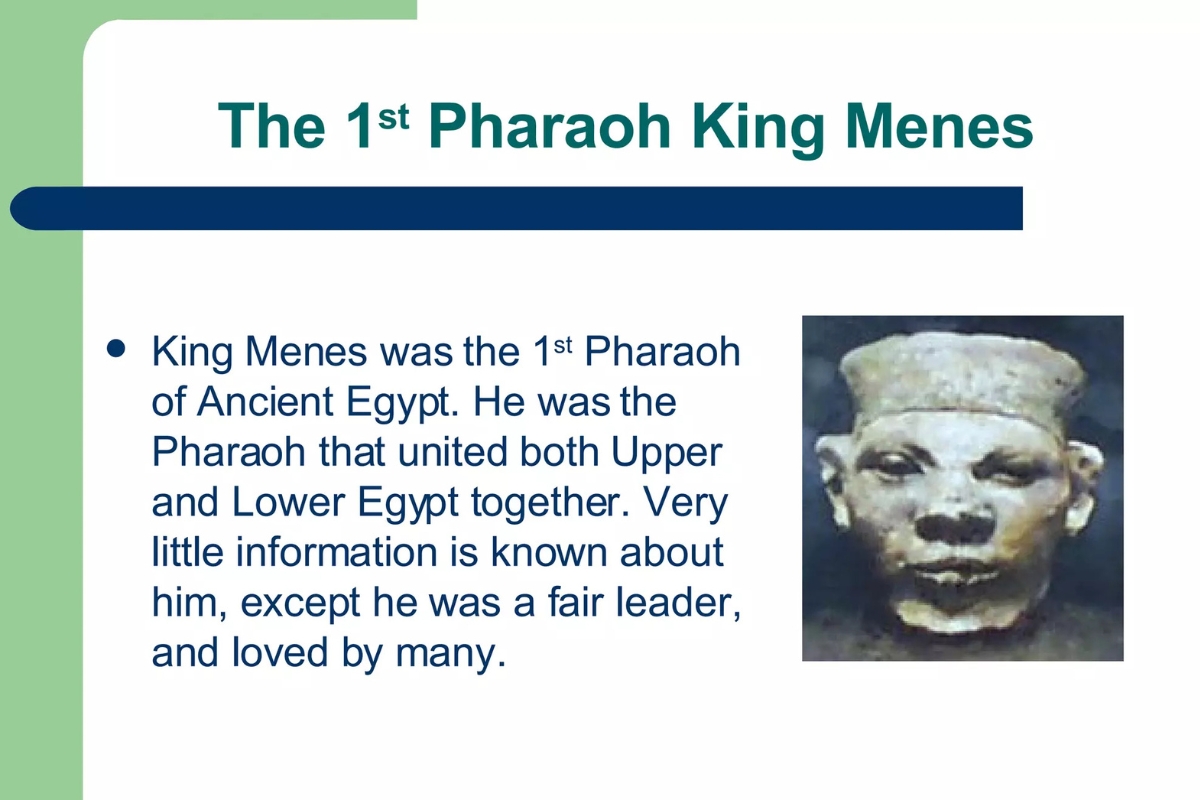
Most historians believe that Menes, often associated with King Narmer, was the first pharaoh of Egypt and the ruler who unified Upper and Lower Egypt around 3100 BCE.
This historic moment created the foundation for the powerful pharaohs of Egypt, a line of rulers that would dominate the Nile Valley for thousands of years. In this guide, you will discover who Menes was, why he is considered the first pharaoh of united Egypt, how Egypt became a unified kingdom, and how the pharaohs shaped one of the most extraordinary civilizations in history.
If you are planning to visit Egypt in 2026, understanding this story will make your experience at the pyramids, temples, and museums far more meaningful—and our travel experts at Egypt All Inclusive can help you explore the real places where this incredible history began.
The Birth of Ancient Egyptian Civilization
To understand who was the first pharaoh of ancient Egypt, we need to go back to a time before pyramids, temples, and massive cities. Around 5000–3100 BCE, the Nile Valley was home to small agricultural communities that gradually developed into powerful regional kingdoms.
These early societies depended heavily on the Nile River. Every year, the river flooded and left fertile soil behind, allowing communities to grow crops such as wheat and barley. Over time, villages expanded into organized territories, eventually forming two major kingdoms:
- Upper Egypt in the south (the Nile Valley)
- Lower Egypt in the north (the Nile Delta)
Each kingdom had its own ruler, culture, and symbols. Upper Egypt used the white crown, while Lower Egypt used the red crown. The idea of a single ruler controlling the entire Nile region had not yet emerged.
This period is known as the Predynastic Period, the time before the first official dynasty of Egyptian kings. Archaeological discoveries from sites such as Abydos and Hierakonpolis reveal early kings who ruled regional territories before Egypt was unified.
Historians studying this era often ask:
- Who was the very first pharaoh of Egypt?
- Who was the first king pharaoh of Egypt?
- Who was the first pharaoh of Egypt in order?
The answer leads to a legendary figure: Menes.
Most scholars believe Menes was the ruler who successfully united Upper and Lower Egypt, creating the world’s first centralized state along the Nile. This event marks the beginning of the First Dynasty and the start of the long line of the pharaohs of Egypt.
Today, travelers visiting Egypt can explore many sites connected to this early history, especially Abydos, one of the most sacred ancient royal burial grounds. When you travel with Egypt All Inclusive, our expert guides explain these early origins so that visitors truly understand how Egypt’s civilization began.
Menes – The First Pharaoh of Egypt
When people ask who was the first pharaoh of Egypt, the name most frequently mentioned is Menes.
Menes is traditionally considered the first pharaoh of a united Egypt, ruling around 3100 BCE. According to ancient Egyptian king lists and later historians, he was the ruler who unified the two kingdoms of Upper and Lower Egypt into a single nation.
This achievement was monumental.
Before Menes, Egypt was divided. After his rule, Egypt became one of the most stable and powerful civilizations in the ancient world.
Menes – The First Pharaoh of Egypt
When people ask who was the first pharaoh of Egypt, the name most frequently mentioned is Menes.
Menes is traditionally considered the first pharaoh of a united Egypt, ruling around 3100 BCE. According to ancient Egyptian king lists and later historians, he was the ruler who unified the two kingdoms of Upper and Lower Egypt into a single nation.
This achievement was monumental.
Before Menes, Egypt was divided. After his rule, Egypt became one of the most stable and powerful civilizations in the ancient world.
Why Menes Is So Important
Menes is remembered for several key achievements:
1. Unification of Egypt
He is widely credited as the first pharaoh to unite all of Egypt, combining Upper and Lower Egypt under one crown.
2. Establishment of the First Dynasty
His reign marks the beginning of the dynastic system of rulers that lasted more than 3,000 years.
3. Creation of a Centralized Government
Menes established a political system that allowed Egypt to thrive economically, culturally, and militarily.
4. Founding Memphis
Many historians believe Menes founded Memphis, the first capital of unified Egypt.
Menes in Ancient Sources
Ancient historians such as Manetho, a priest writing during the Ptolemaic period, recorded Menes as the first known pharaoh of Egypt.
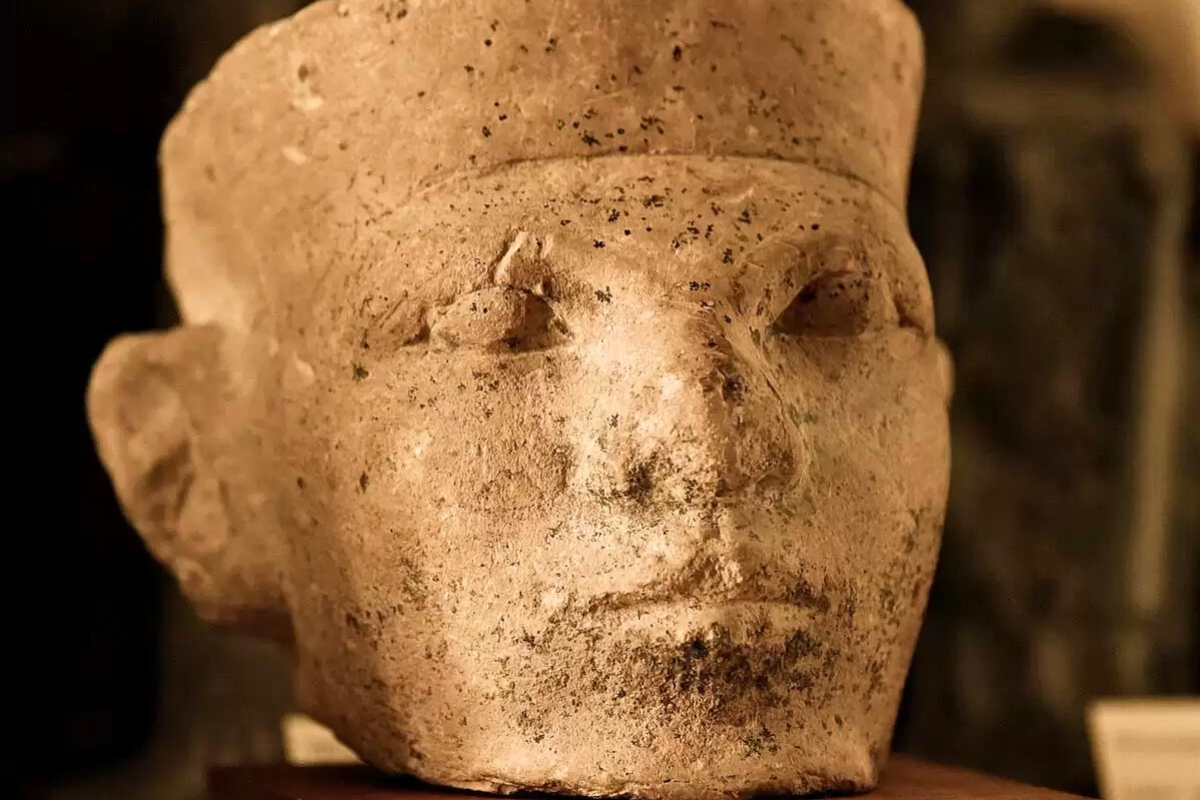
However, modern archaeologists often connect Menes with another famous early ruler: King Narmer.
This leads to an important historical debate:
Who do some think was the first pharaoh of Egypt?
Many scholars believe Menes and Narmer may actually be the same person—or that Menes was the successor of Narmer who completed the unification.
Regardless of the exact identity, Menes remains the legendary figure remembered as the founder of dynastic Egypt.
Visitors can see artifacts related to this early period in the Egyptian Museum in Cairo and the Grand Egyptian Museum, where the story of Egypt’s earliest rulers comes to life.
Narmer and the Evidence of Egypt’s Unification
When historians discuss who was the first known pharaoh of ancient Egypt, many point to King Narmer.
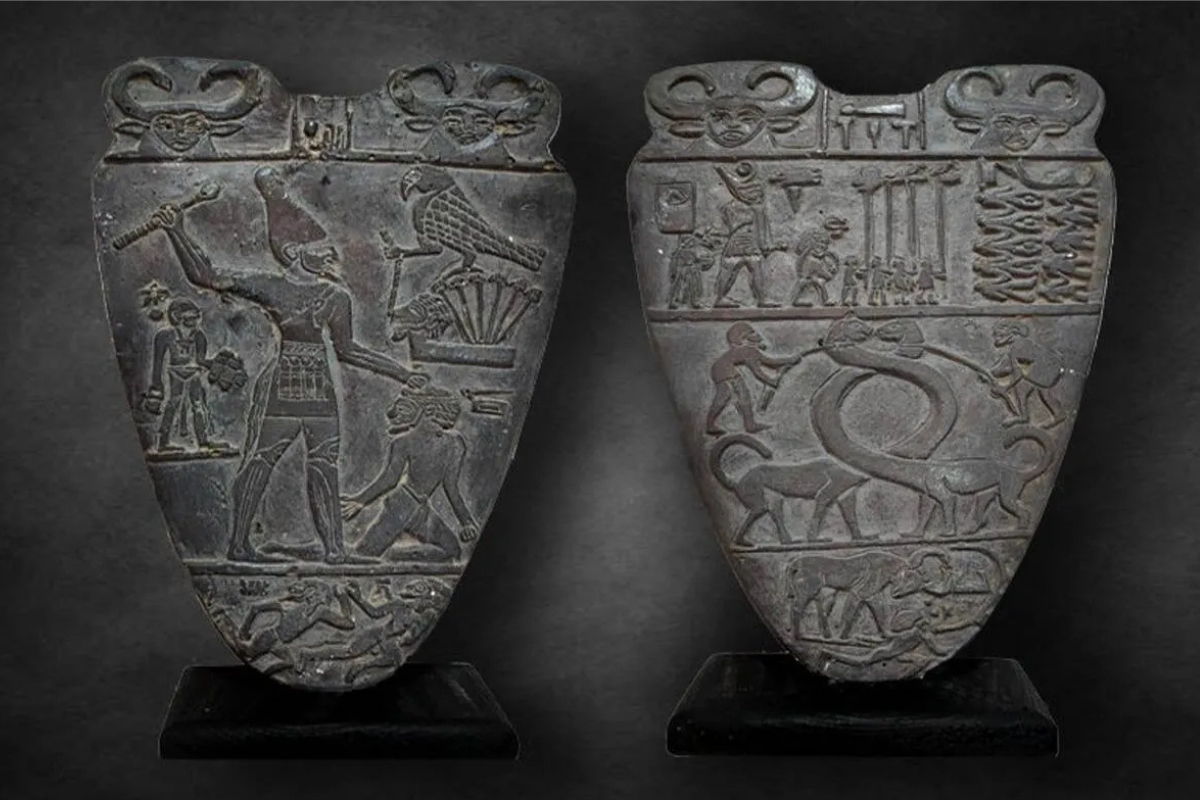
Narmer is one of the earliest rulers confirmed by archaeological evidence, especially the famous Narmer Palette, discovered in Hierakonpolis.
This artifact is one of the most important objects in Egyptian archaeology.
The Narmer Palette
The Narmer Palette shows a king wearing both crowns of Egypt:
-
The White Crown of Upper Egypt
-
The Red Crown of Lower Egypt
This symbolized the unification of the two lands.
Because of this imagery, many historians believe Narmer was either:
-
The first pharaoh of united Egypt, or
-
The ruler who began the unification that Menes completed.
This raises another important question often searched by travelers and history enthusiasts:
Who was the first pharaoh of united Egypt?
The answer depends on interpretation:
-
Some historians say Narmer.
-
Others say Menes.
Either way, both rulers represent the birth of Egyptian civilization as we know it.
Why This Matters for Travelers
Understanding this story adds depth to your visit to Egypt.
Many travelers see temples and pyramids but don’t realize that Egyptian history started long before those monuments were built.
When you visit ancient sites with Egypt All Inclusive, expert guides explain the timeline of Egyptian history—from the earliest kings like Narmer and Menes to the famous pharaohs who built the pyramids and temples.
The Role of the Pharaoh in Ancient Egypt
To fully understand who was the first king pharaoh of Egypt, it helps to understand what a pharaoh actually was.
The pharaoh was far more than a king. In ancient Egyptian society, the pharaoh served several roles simultaneously:
-
Political leader
-
Military commander
-
Religious authority
-
Divine representative on Earth
Egyptians believed the pharaoh was chosen by the gods to maintain Ma’at, the universal order and balance of the world.
Responsibilities of a Pharaoh
The pharaohs of Egypt had enormous responsibilities:
1. Maintaining Order
They ensured stability and justice across the kingdom.
2. Controlling the Nile Economy
Agriculture depended on the Nile’s flooding cycles.
3. Leading Military Campaigns
They protected Egypt’s borders and expanded territory.
4. Building Monuments
Temples, pyramids, and statues honored the gods and demonstrated royal power.
Symbols of the Pharaoh
The pharaoh used powerful symbols that represented their authority:
-
The Double Crown representing Upper and Lower Egypt
-
The Crook and Flail, symbols of leadership and protection
-
The Royal Cobra (Uraeus) representing divine power
These symbols began with the first pharaoh of Egypt and continued throughout thousands of years of Egyptian rule.
Today, travelers visiting temples such as Karnak, Luxor, and Abu Simbel can see these symbols carved into walls and statues.
Exploring these sites with a professional guide makes the experience much richer, especially when the history of the earliest pharaohs is explained in context.
The First Female Pharaoh of Egypt
Another fascinating question people ask is:
Who was the first female pharaoh of Egypt?
The answer most historians agree on is Sobekneferu, who ruled during the 12th Dynasty around 1800 BCE.
She is widely recognized as:
-
The first female pharaoh of ancient Egypt
-
The first woman pharaoh of Egypt
-
The first lady pharaoh of Egypt
Unlike queens who ruled as regents for young kings, Sobekneferu ruled as a true pharaoh.
Sobekneferu’s Reign
Her rule was relatively short but historically important. She adopted full pharaonic titles and royal symbolism, proving that women could hold the highest position in Egyptian society.
Other Famous Female Pharaohs
While Sobekneferu was the earliest known female ruler, other women later became powerful pharaohs, including:
-
Hatshepsut – one of the most successful rulers in Egyptian history
-
Cleopatra VII – the last active ruler of Ptolemaic Egypt
Many travelers visiting Egypt today explore the stunning Temple of Hatshepsut in Luxor, one of the most impressive monuments built by a female pharaoh.
Our guided tours at Egypt All Inclusive frequently include this temple, offering insight into how women influenced Egyptian history.
Who Was the Last Pharaoh of Egypt?
While learning about who was the first pharaoh of Egypt, many people also ask:
Who was the last pharaoh of Egypt?
The final ruler commonly considered Egypt’s last pharaoh was Cleopatra VII, who ruled from 51–30 BCE.
Her reign marked the end of Egypt’s independence.
After her defeat during the Roman conquest, Egypt became part of the Roman Empire.
Cleopatra’s Legacy
Cleopatra was famous for her intelligence, political skill, and alliances with Roman leaders such as:
-
Julius Caesar
-
Mark Antony
Although she lived thousands of years after Menes and the earliest pharaohs of Egypt, she represented the final chapter of the pharaonic tradition.
Visitors traveling through Egypt today often explore temples associated with the later pharaohs, including sites in:
-
Alexandria
These monuments show how the legacy of the first pharaoh of Egypt continued for more than three millennia.
Where Travelers Can Discover the First Pharaoh’s Legacy in Egypt
If you’re planning a trip in 2026, you can actually visit several locations connected to the earliest rulers of Egypt.
Abydos – The Burial Place of Early Kings
Abydos is one of Egypt’s most sacred archaeological sites.
It contains tombs believed to belong to early rulers from the First Dynasty, including kings associated with Menes.
Saqqara
This vast necropolis near Cairo contains some of Egypt’s oldest monuments.
It demonstrates how royal burial traditions evolved after the reign of the earliest pharaohs.
The Egyptian Museum and Grand Egyptian Museum
These museums display artifacts from the earliest dynasties, helping visitors understand how Egypt’s civilization began.
Insider Travel Tip
Many travelers focus only on pyramids and temples. However, exploring early dynastic sites like Abydos provides a deeper understanding of Egyptian history.
Our Egypt All Inclusive tours include expert-guided experiences that connect these historical stories to the places you visit.
Conclusion: Discover the Origins of Egypt’s Greatest Civilization
So, who was the first pharaoh of Egypt?
Most historians agree that Menes holds this title as the first pharaoh of united Egypt, the ruler who brought Upper and Lower Egypt together and began the long history of the pharaohs of Egypt. Some scholars point to Narmer as the first known pharaoh of ancient Egypt, supported by archaeological evidence such as the Narmer Palette.
Regardless of the exact identity, these early kings laid the foundation for one of the most powerful civilizations in human history.
From the earliest rulers like Menes to the final queen Cleopatra, the story of Egypt’s pharaohs spans more than 3,000 years of remarkable history.
For travelers visiting Egypt in 2026, understanding this history transforms a simple vacation into an unforgettable journey through time.
Ready to Explore the Land of the Pharaohs?
At Egypt All Inclusive, we specialize in expertly crafted tours that bring Egypt’s incredible past to life.
Our travel packages include:
-
Guided visits to pyramids, temples, and museums
-
Professional Egyptologist guides
-
Comfortable accommodations and seamless travel planning
-
Exclusive historical insights you won’t find in ordinary tours
Whether you want to explore the origins of the first pharaoh of Egypt, cruise the Nile, or discover hidden archaeological treasures, our team is ready to create the perfect journey.
Start planning your Egypt adventure today with Egypt All Inclusive and walk in the footsteps of the ancient pharaohs.