Egypt is home to some of the most extraordinary temples in the world—monuments that reveal the secrets of ancient civilizations, showcase breathtaking architecture, and offer travelers a once-in-a-lifetime cultural journey. In this complete 2026 travel guide, you’ll discover the most famous temples in Egypt, including iconic sites like Karnak Temple and Philae Temple, along with lesser-known gems that most tourists miss. You’ll learn how many temples are in Egypt, which ones are considered the best temples in Egypt, and how to plan a seamless visit.
We’ll also answer fascinating questions such as why was Egypt’s Abu Simbel temple moved in the 1960s, who built these incredible monuments, and what makes each site unique. Whether you’re planning your first trip or returning for a deeper exploration, this guide is designed to help you experience the temples in ancient Egypt in the most rewarding way—while showing you how to turn your trip into a fully organized, stress-free experience with Egypt All Inclusive.
The Timeless Legacy of Temples in Ancient Egypt
The story of temples in ancient Egypt is not just about stone and columns—it’s about belief, power, and daily life thousands of years ago. Every temple in ancient Egypt was built as a sacred space where gods were worshipped and rituals performed by priests on behalf of the people.
These ancient temples in Egypt were designed with precision and symbolism:
- Massive pylons representing the horizon
- Hypostyle halls filled with towering columns
- Sanctuaries reserved for divine statues
Many travelers ask: how many temples in Egypt exist today? While historians estimate hundreds once stood, dozens remain accessible, forming a remarkable list of temples in Egypt that you can still explore.
Why Temples Matter for Travelers in 2026
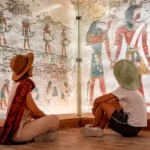
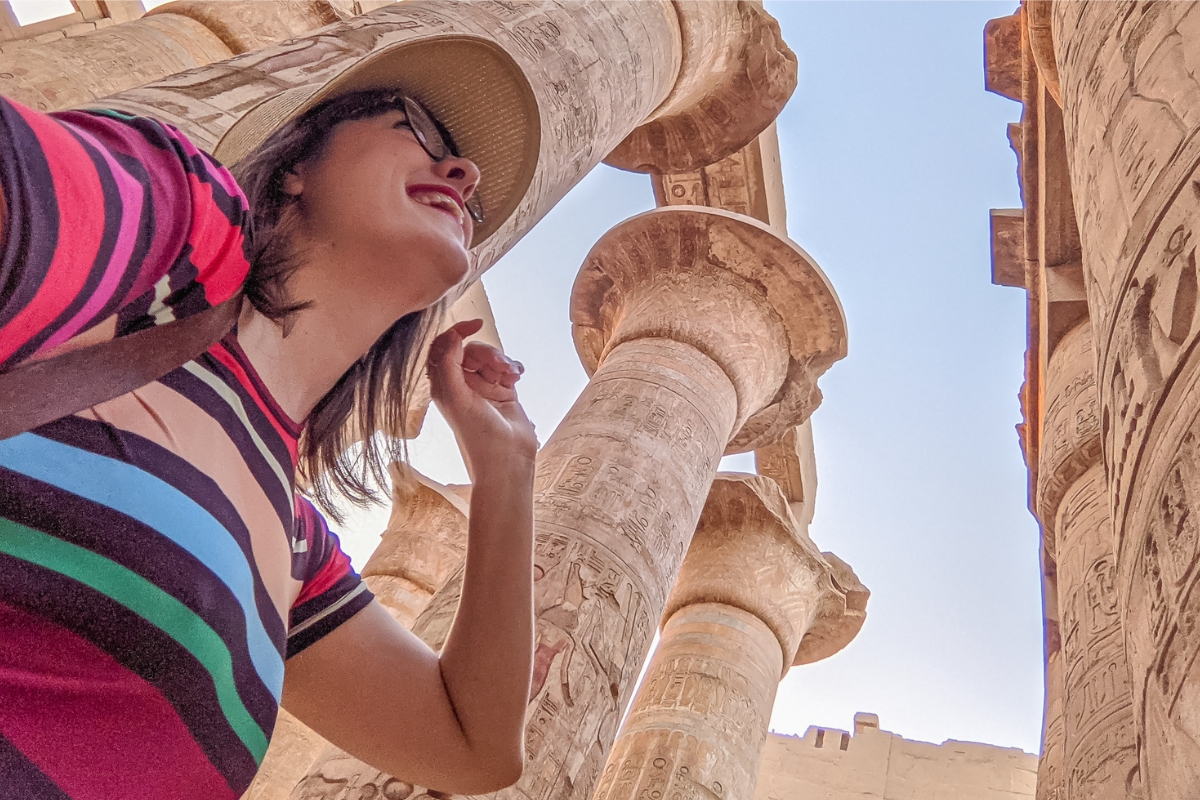
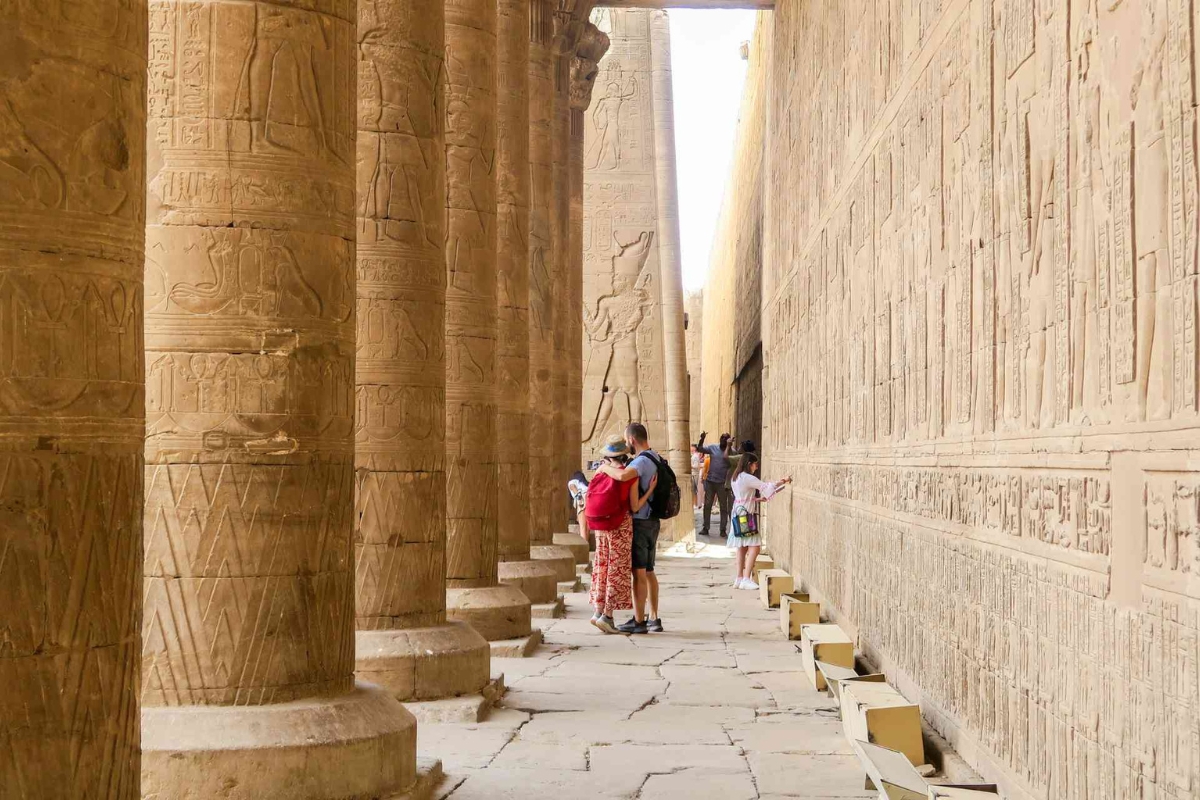
Visiting a temple in Egypt today is not just sightseeing—it’s stepping into a living museum. Unlike pyramids, temples often preserve intricate carvings, hieroglyphs, and colors that tell detailed stories.
Some key categories include:
- Mortuary temples in Egypt: Built to honor pharaohs after death
- Worship temples: Dedicated to gods like Amun, Isis, and Hathor
- Hidden or newly discovered sites, including occasional reports of a new temple found in Egypt
Insider Tip
Most travelers underestimate how different each temple feels. A well-planned itinerary ensures you experience variety—not just repetition. This is where guided tours make a significant difference.
Karnak Temple in Egypt: The Largest Temple Complex Ever Built
No discussion of the largest temple in Egypt is complete without Karnak Temple. Often considered the biggest temple in Egypt, this vast complex is one of the most impressive religious sites ever constructed.
Who Built the Karnak Temple in Egypt?
The answer spans generations. Pharaohs from the Middle Kingdom through the New Kingdom contributed to its expansion, including:
- Senusret I
- Hatshepsut
- Ramses II
Highlights of Karnak
- The Great Hypostyle Hall (134 massive columns)
- Sacred Lake
- The hidden Temple of Sekhmet at Karnak (often overlooked)
This site alone can take hours to explore, making it a cornerstone of any itinerary focusing on temples in Luxor Egypt.
Why It’s a Must-Visit
Karnak is not just one temple—it’s a city of temples. For many, it ranks as the best temple in Egypt due to its scale and historical depth.
Travel Tip
Visit early morning or late afternoon to avoid crowds and heat. Pair it with a guided explanation to truly understand its complexity.
Luxor Temple in Egypt: The Heart of Ancient Thebes
Located in the center of modern Luxor, Luxor Temple is one of the most accessible and visually stunning temples.
Often referred to as the temple of Luxor in Egypt, this site played a central role in the Opet Festival, connecting it spiritually to Karnak.
Unique Features
- Avenue of Sphinxes linking it to Karnak
- Statues of Ramses II
- Night illumination that transforms the experience
Many travelers confuse “the Luxor temple in Egypt” with Karnak—but they serve different purposes. While Karnak was a major religious complex, Luxor Temple focused on royal ceremonies.
Luxor Temple in Ancient Egypt
In luxor temple in ancient Egypt, pharaohs were crowned and divine kingship was celebrated. This gives it a unique ceremonial importance.
Insider Tip
Visit Luxor Temple at night. The lighting creates a magical atmosphere that daytime visits simply cannot match.
Philae Temple in Aswan Egypt: A Sacred Island Sanctuary
Set on an island in the Nile, Philae Temple is one of the most picturesque famous temples in Egypt.
Philae Temple in Egypt: A Story of Survival
You might wonder: why was Egypt’s Abu Simbel temple moved in the 1960s? The same reason applies here—rising waters from the Aswan High Dam threatened ancient monuments.
Philae was carefully relocated stone by stone to higher ground.
Highlights
- Temple of Isis
- Beautiful river setting
- Sound and Light Show
Why It’s Special
The philae temple in aswan egypt offers a more tranquil experience compared to Luxor’s crowded sites. It’s ideal for travelers seeking both history and scenic beauty.
Abu Simbel and the Engineering Marvel of Relocation
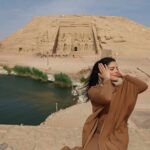
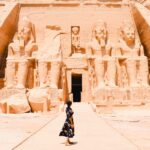
Abu Simbel Temples is one of the most awe-inspiring examples of ancient and modern engineering combined.
Why Was Egypt’s Abu Simbel Temple Moved in the 1960s?
The construction of the Aswan High Dam threatened to submerge the temples. In a massive international effort:
- The temples were cut into blocks
- Relocated to higher ground
- Reassembled with precision
Ramses Temple in Egypt
Built by Ramses II, this ramses temple in egypt is famous for its colossal statues and solar alignment phenomenon.
Travel Tip
Abu Simbel requires early departure from Aswan. Booking a guided tour ensures smooth logistics.
Hidden Gems: Abydos, Dendera, and Beyond
Beyond the popular sites, Egypt offers lesser-known but equally fascinating temples.
Osirion Temple in Abydos Egypt
Osirion is linked to the temple of Osiris in Egypt, one of the most mysterious sites.
Hathor Temple in Egypt
Dendera Temple Complex is dedicated to Hathor and features:
- Zodiac ceiling
- Vibrant colors
Valley Temple in Egypt
Valley Temple of Khafre is part of pyramid complexes and offers insight into mummification rituals.
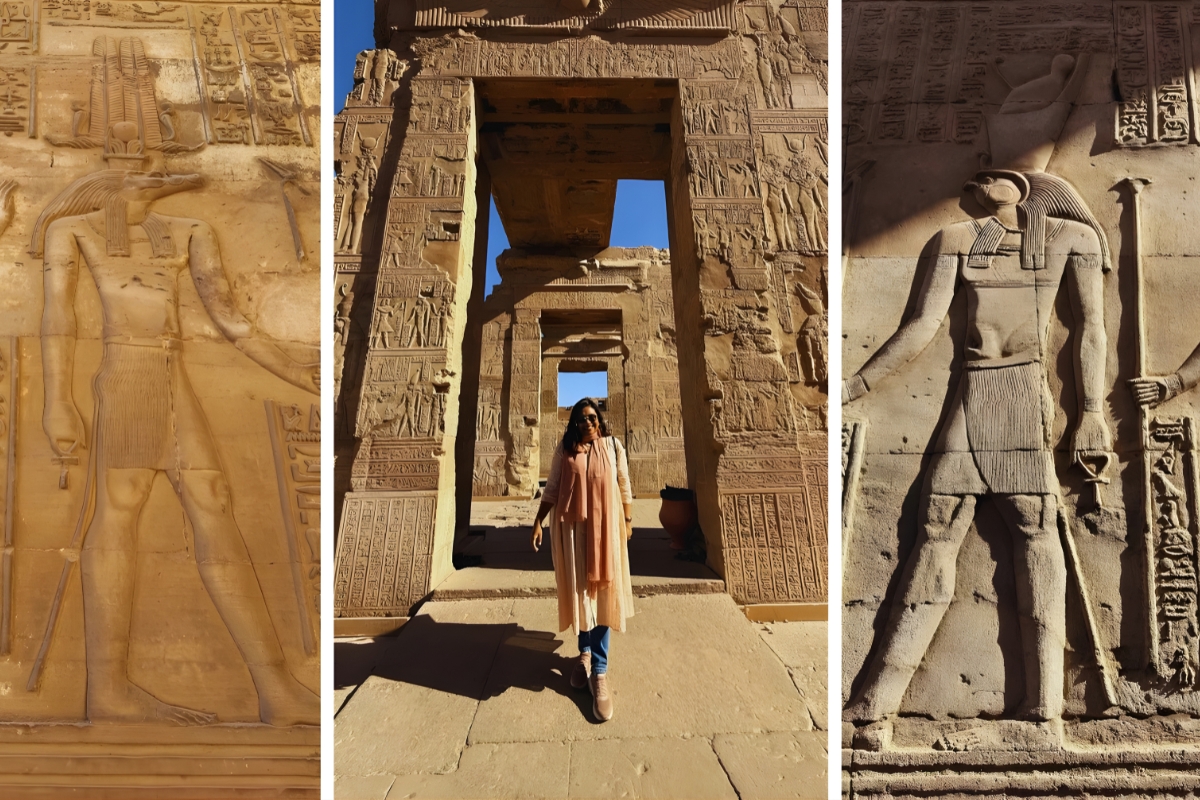
Unique and Unusual Temples in Egypt
Temple Cats in Egypt
Cats were sacred in ancient Egypt. While there isn’t a single official “temple cats in Egypt,” sites dedicated to Bastet, like Bubastis, highlight feline worship.
Buddhist Temple in Egypt
Interestingly, modern Egypt also includes a small Egyptian Buddhist Center, showing cultural diversity.
How Many Temples Are in Egypt and Which Are the Best?
While exact numbers vary, dozens of major temples are open to visitors.
- Karnak Temple (largest temple in Egypt)
- Luxor Temple
- Philae Temple
- Abu Simbel
- Dendera Temple
Each could easily qualify as the best temple in Egypt depending on your interests.
Planning Your Temple Tour in Egypt
Exploring temples in Egypt requires smart planning.
Key Considerations
- Distances between sites (Luxor vs Aswan vs Cairo)
- Weather conditions
- Entry tickets and timing
Why Book with Egypt All Inclusive?
Organizing temple visits independently can be overwhelming. A professional tour ensures:
- Expert guides
- Comfortable transportation
- Optimized itineraries
Insider Travel Tips
- Combine temples with Nile cruises
- Visit early to avoid crowds
- Always carry water and sun protection
FAQs
Who built the Karnak Temple in Egypt?
The Karnak Temple was built over about 2,000 years by multiple pharaohs, including Senusret I, Hatshepsut, Thutmose III, and Ramses II. Each ruler expanded the complex, adding halls, pylons, and sanctuaries.
What purpose did temples serve in ancient Egypt?
Temples were religious centers dedicated to the gods. They were used for:
- Daily rituals performed by priests
- Housing statues of deities
- Religious festivals
- Offerings to maintain divine favor
They were not open to the general public.
Where is the Temple of Karnak located in Egypt?
Karnak Temple is located in:
- Luxor
- On the east bank of the Nile River
It lies just north of Luxor Temple.
Why was Egypt’s Abu Simbel temple moved in the 1960s?
The Abu Simbel Temples were moved to avoid flooding caused by the Aswan High Dam.
They were cut into blocks, relocated to higher ground, and reconstructed in the same layout.
What were temples used for in ancient Egypt?
Temples were used for:
- Worship and rituals
- Communication with the gods
- Storage of offerings and wealth
- Administrative and economic activities
How many temples are in Egypt?
Originally, there were hundreds of temples. Today, around 30–40 major temples are well-preserved and accessible.
How many temples in Egypt can you visit today?
You can visit dozens, especially in:
- Luxor
- Aswan
These areas contain the highest concentration of temples.
Is there an LDS temple in Egypt?
No, there is no temple of The Church of Jesus Christ of Latter-day Saints in Egypt.
What is the largest temple in Egypt?
The largest temple is:
- Karnak Temple
It is the biggest religious complex ever built in the ancient world.
What purposes did temples serve in Egypt?
Temples served:
- Religious purposes (worship and rituals)
- Political purposes (showing the power of the pharaoh)
- Economic purposes (managing land and resources)
- Cultural purposes (preserving art and knowledge)
Final Thoughts: Turn Your Dream Trip into Reality
The famous temples in ancient Egypt are more than historical landmarks—they are gateways into a civilization that shaped human history. From the grandeur of Karnak to the serenity of Philae, every site tells a story worth experiencing in person.
If you’re planning to explore the best temples in Egypt in 2026, the difference between a good trip and an unforgettable one lies in how well it’s organized.
Ready to Explore?
Let Egypt All Inclusive handle everything for you:
- Custom itineraries covering all major temples
- Expert Egyptologist guides
- Seamless travel experience