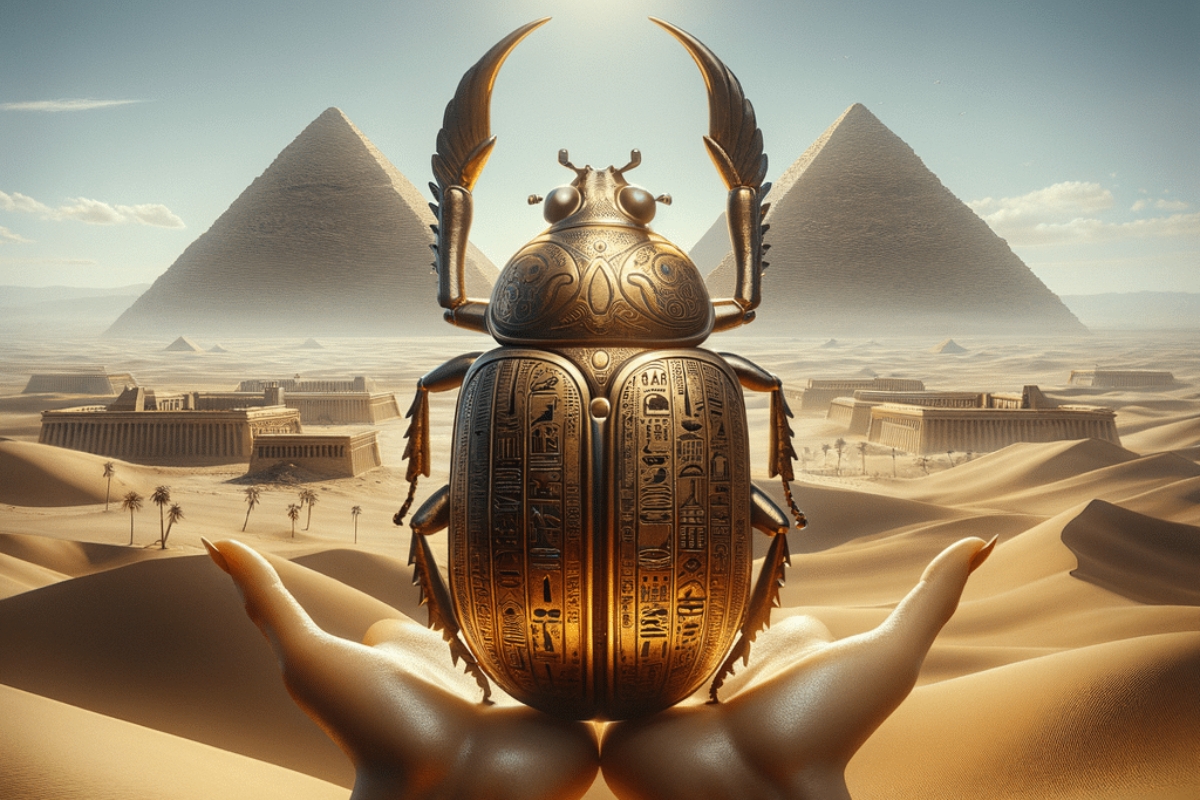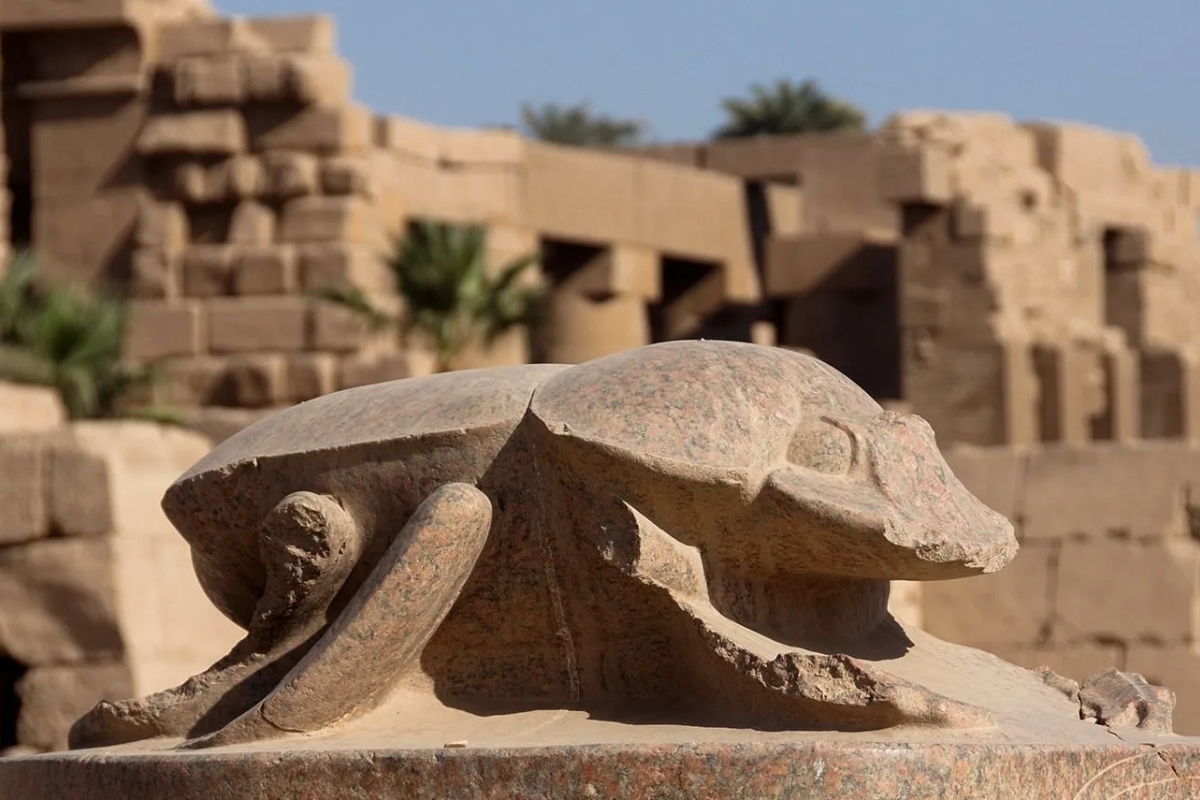
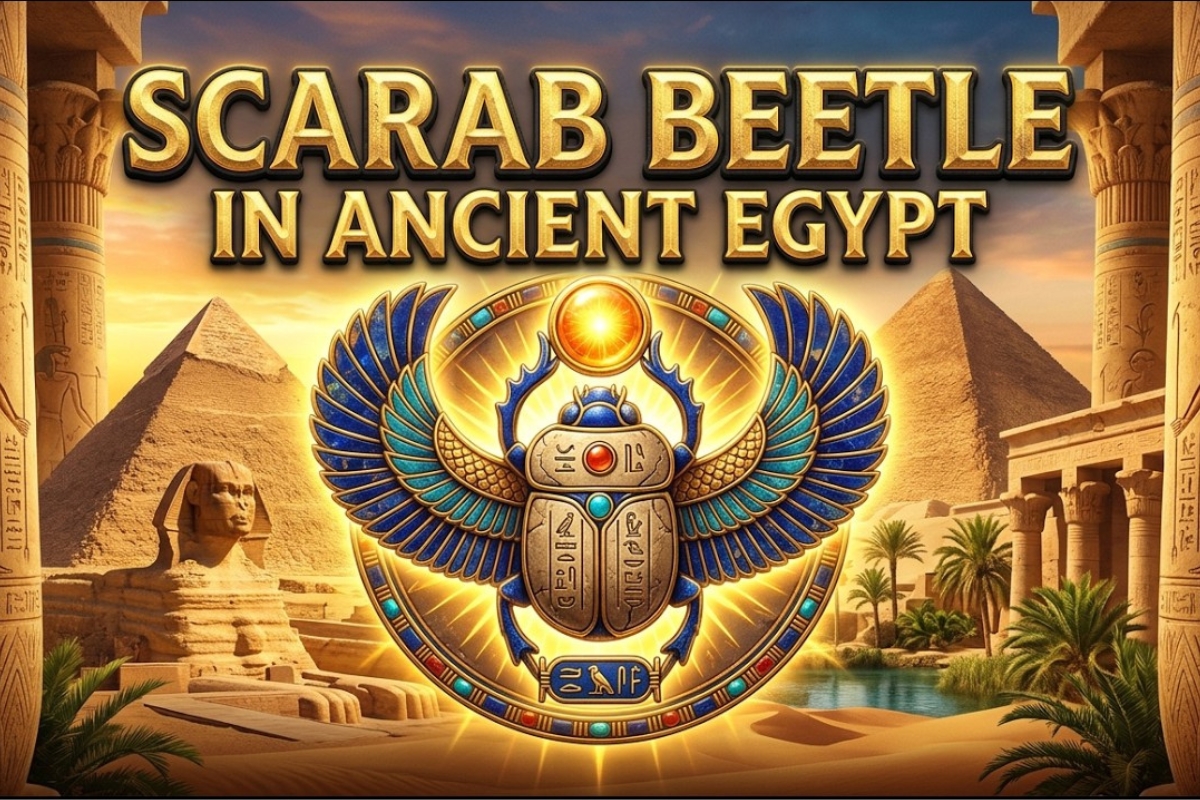
There’s a moment many travelers experience when standing in front of the Greatness temples of Karnak Temple or walking through the timeless halls of the Egyptian Museum—you notice a small, powerful symbol repeated everywhere. It appears on amulets, carved into stone walls, and displayed in glass cases: the scarab. At first glance, it may look like a simple insect, but the truth behind the scarab beetle meaning reveals one of the most fascinating spiritual and cultural symbols in human history.
The scarab beetle is far more than a creature of the desert. For thousands of years, it has been deeply connected to the beliefs of ancient Egyptian civilization, where symbolism shaped everyday life and the afterlife. When travelers explore Egypt, they often encounter scarab beetles in markets, museums, and temple carvings without fully understanding the powerful message behind them. Yet, once you uncover the story, every sighting becomes meaningful.
In the world of the egyptian scarab beetle, transformation is everything. Ancient Egyptians observed how this small insect rolls a ball of dung across the sand, an act that inspired a profound connection to creation itself. This behavior led them to associate the scarab beetle egypt with the sun’s daily journey across the sky—rolling from horizon to horizon, just like the beetle moves its sphere across the desert floor. This simple observation became a symbol of rebirth, renewal, and the eternal cycle of life.
The deeper you go into the beetle egyptian scarab symbolism, the more layers you uncover. The scarab was closely linked to the sun god Khepri, who represented the rising sun and the idea of constant creation. Just as the sun rises every morning, the scarab became a symbol of new beginnings. This is why many travelers today are drawn to the blue beetle scarab and other colorful variations sold in Egyptian bazaars—they are not just souvenirs, but meaningful tokens tied to hope and transformation.
Understanding the egypt beetle meaning also means exploring how ancient Egyptians viewed life after death. The scarab played a central role in burial practices. Heart scarabs were placed inside tombs to protect the soul in the afterlife, ensuring safe passage and spiritual rebirth. These were not random decorations but carefully crafted symbols of protection and continuity. Among the sacred beetles of ancient egypt, the scarab stood out as one of the most powerful amulets ever created.
Even today, many visitors feel a strong connection to the green scarab beetle spiritual meaning, often associated with growth, healing, and positive energy. Others are fascinated by the dung beetle spiritual meaning, which reflects resilience and the ability to transform something ordinary into something meaningful. This symbolism resonates deeply with modern travelers seeking more than just sightseeing—they want connection, purpose, and stories that stay with them long after the journey ends.
When you encounter an ancient egyptian scarab beetle during your trip—whether carved into temple walls, displayed in a museum, or crafted into jewelry—you are not just looking at an artifact. You are witnessing a symbol that has survived thousands of years, carrying messages of rebirth, protection, and eternal life.
If you’re planning your next journey, take the time to look beyond the surface. Egypt is not just a destination; it’s a story waiting to be understood. And sometimes, that story begins with something as small—and as powerful—as a scarab.
Origins of the Egyptian Scarab
Long before modern travelers stood in awe of the monuments of Luxor Temple or explored the treasures inside the Egyptian Museum, the story of the scarab had already begun shaping the spiritual identity of Egypt. To understand the true depth behind the egyptian bug meaning, you have to go back thousands of years to a time when nature itself was seen as a language of the gods, and every small detail carried a hidden message.
The egyptian beetle meaning did not emerge randomly. Ancient observers noticed the unique behavior of a small desert insect rolling a ball across the sand. This simple act became the foundation of one of the most powerful ideas in Egyptian belief. The scarab egyptian symbol was born from this observation, representing movement, creation, and the mysterious force that pushes life forward. It wasn’t just about the insect itself, but about what it reflected in the natural world and the cosmos.
At the heart of this belief was the idea of transformation. The scarab beetle spiritual meaning is closely tied to the cycle of rebirth. Ancient Egyptians believed that life did not end but constantly renewed itself. If you’ve ever wondered what does a scarab beetle represent, the answer lies in this endless cycle—life, death, and regeneration. This is why the meaning of egyptian scarab beetle became deeply embedded in both daily life and religious practices.
When you explore temples across Egypt, you’ll notice how the egypt scarab beetle meaning appears repeatedly in carvings and inscriptions. The connection between the scarab and the rising sun was especially important. The beetle became associated with the god Khepri, a divine figure who symbolized the sunrise and the act of creation itself. Through this connection, the scarab spiritual meaning evolved into a representation of new beginnings, making it one of the most optimistic symbols in ancient culture.
The deeper you look into the scarab meaning egypt, the more you realize how it shaped beliefs about existence. The scarab symbol meaning extended beyond religion and into personal protection. People wore scarab amulets as a way to carry positive energy and safeguard their journey through life. This reflects the importance of the egyptian beetle symbol, which was not only sacred but also practical in its purpose.
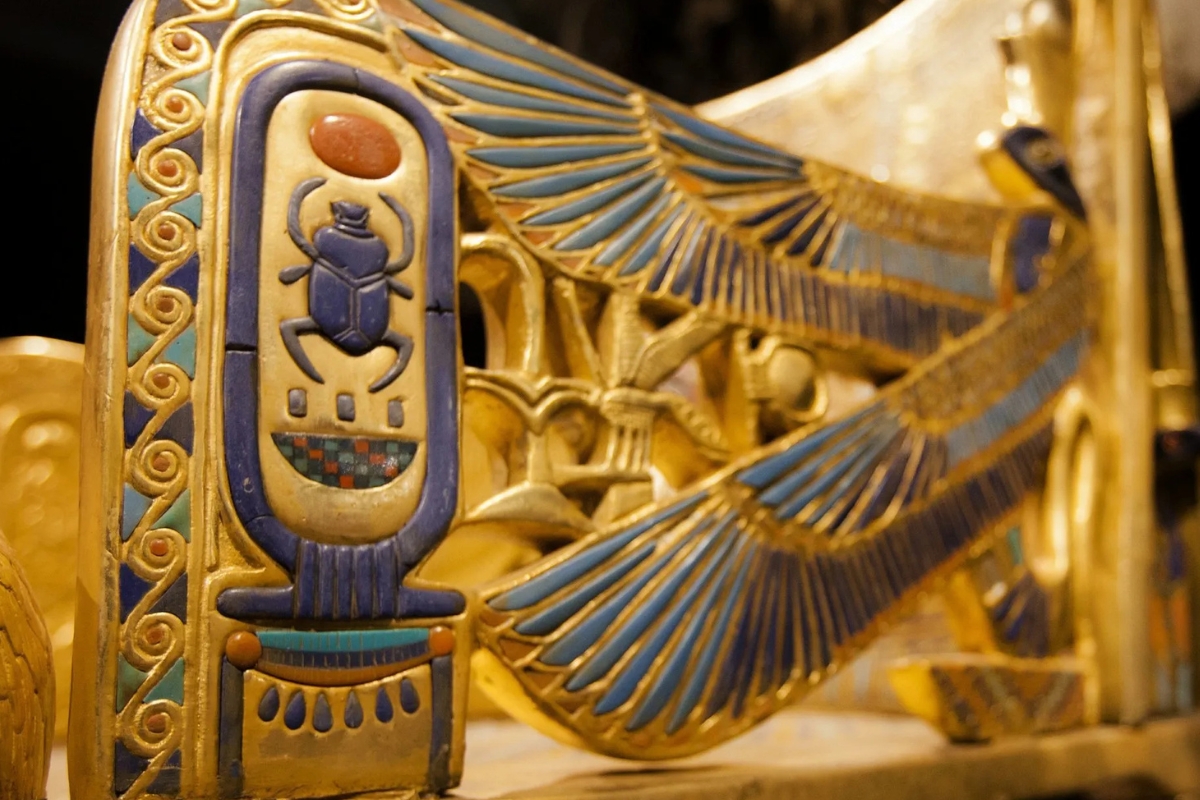
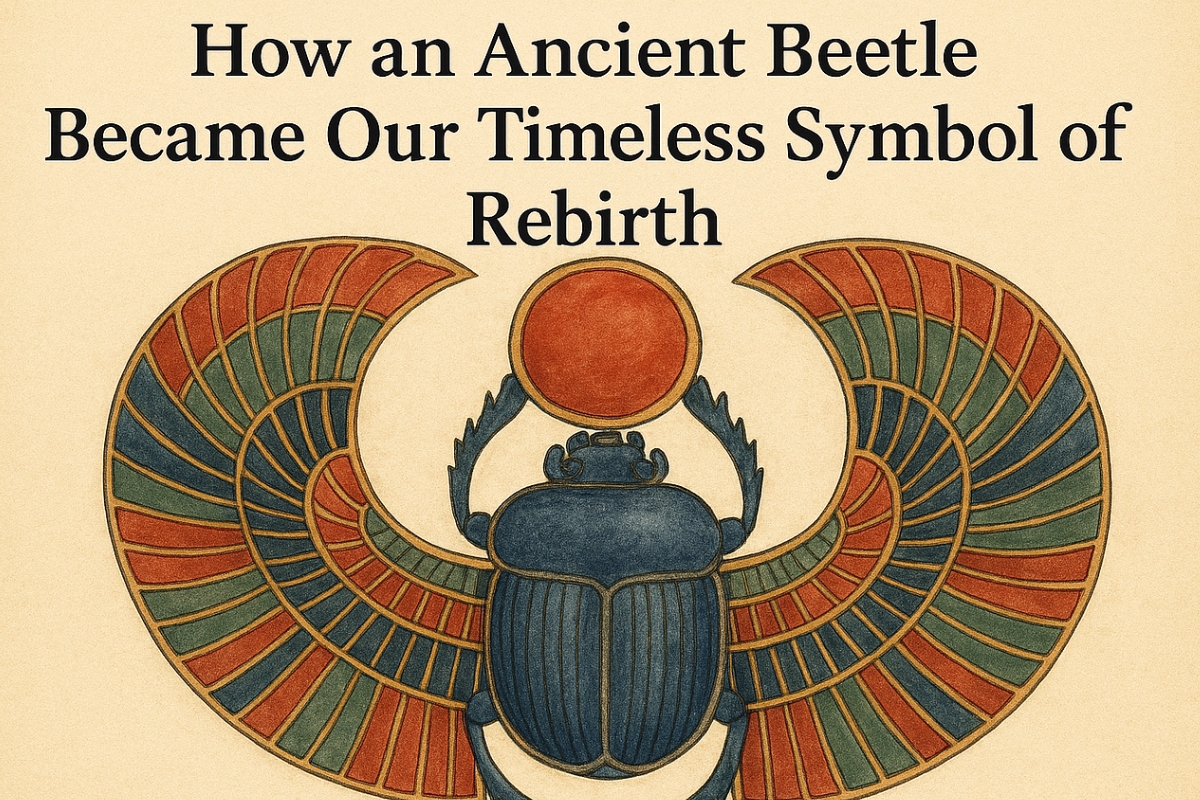
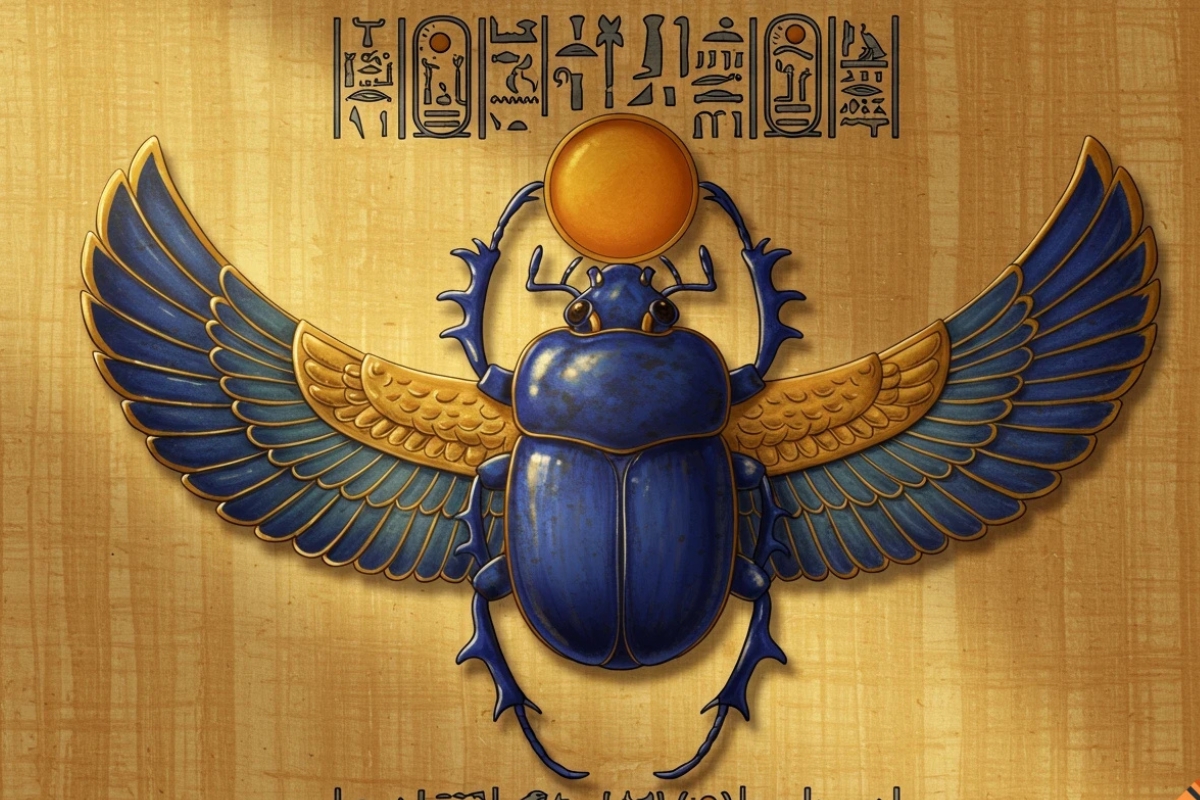
Travelers today often ask what does a scarab symbolize, especially when they see it carved into temple walls or sold in local markets. The answer is layered. At its core, the scarab beetle egypt meaning is about resilience, renewal, and the power to begin again. This symbolism becomes even more striking when you encounter depictions of the winged scarab meaning, where the beetle is shown with outstretched wings. These images represent protection and the soul’s ability to rise beyond earthly limits, a powerful message that still resonates with visitors today.
In the context of the scarab in ancient egypt, this small creature became one of the most enduring symbols ever created. It connected the physical world with the spiritual realm, offering a sense of continuity and hope. For modern travelers, understanding this origin transforms a simple visit into something far more meaningful. You’re no longer just looking at an ancient carving—you’re witnessing a symbol that once carried the weight of life, death, and eternity.
As you plan your journey through Egypt, pay attention to these details. The scarab is not just a relic of the past; it is a story still alive in every temple, every artifact, and every piece of jewelry you come across. And when you truly understand its origins, your experience becomes richer, deeper, and far more unforgettable.
The Role of the Scarab in Ancient Egyptian Culture
Stand in the shadow of the of Karnak Temple or walk along the sacred grounds near the Valley of the Kings, and you’ll quickly notice one symbol repeating itself across walls, statues, and jewelry. It’s small, often overlooked at first, yet it carries a meaning far greater than its size. The story of the scarab beetle ancient egypt is not just a detail of history—it’s a key to understanding how an entire civilization viewed life, death, and eternity.
The presence of the scarab beetle symbol was deeply woven into everyday existence. From royal inscriptions to personal ornaments, the symbolism of the scarab beetle reflected beliefs that guided both kings and ordinary people. The ancient egypt scarab beetle became a visual language, expressing ideas that words alone could not capture. It was a symbol people trusted, wore, and carried with them through every stage of life.
One of the most fascinating aspects of the scarab beetle amulet is how it was used. These small objects were not decorative in the modern sense; they were deeply personal. Crafted with care, each egyptian beetle scarab served as a protective charm. Travelers today often see them in museum displays, but their original purpose was far more intimate. The meaning of a scarab beetle was tied to safety, renewal, and the promise that life continues beyond visible limits.
As you explore Egypt, it becomes clear that the scarab beetle significance extended far beyond religious rituals. It was present in art, architecture, and burial traditions. The scarab beetle symbolism reflected a powerful belief in transformation. Just as the beetle moves forward with purpose, Egyptians believed in progress, rebirth, and the idea that every ending leads to a new beginning.
In many temple carvings, you’ll notice representations of scarab beetle wings, a striking variation of the symbol. These winged forms were associated with protection and elevation, suggesting that the soul could rise and move freely between worlds. This imagery strengthens the connection to the scarab beetle meaning egypt, where the beetle is not only grounded in the earth but also connected to the sky and the divine.
The deeper spiritual layer reveals why the scarab beetle spiritual meaning still resonates today. It represents resilience, the power to overcome challenges, and the ability to transform one’s path. For ancient Egyptians, this was not abstract philosophy—it was a guiding principle of life itself.
When you visit Egypt, you’re not just observing artifacts; you’re stepping into a living narrative. The scarab continues to speak across centuries, inviting you to look closer, think deeper, and connect with a culture that saw meaning in every detail. And as you plan your journey, remember that the most memorable experiences often come from understanding the symbols that shaped this extraordinary land.
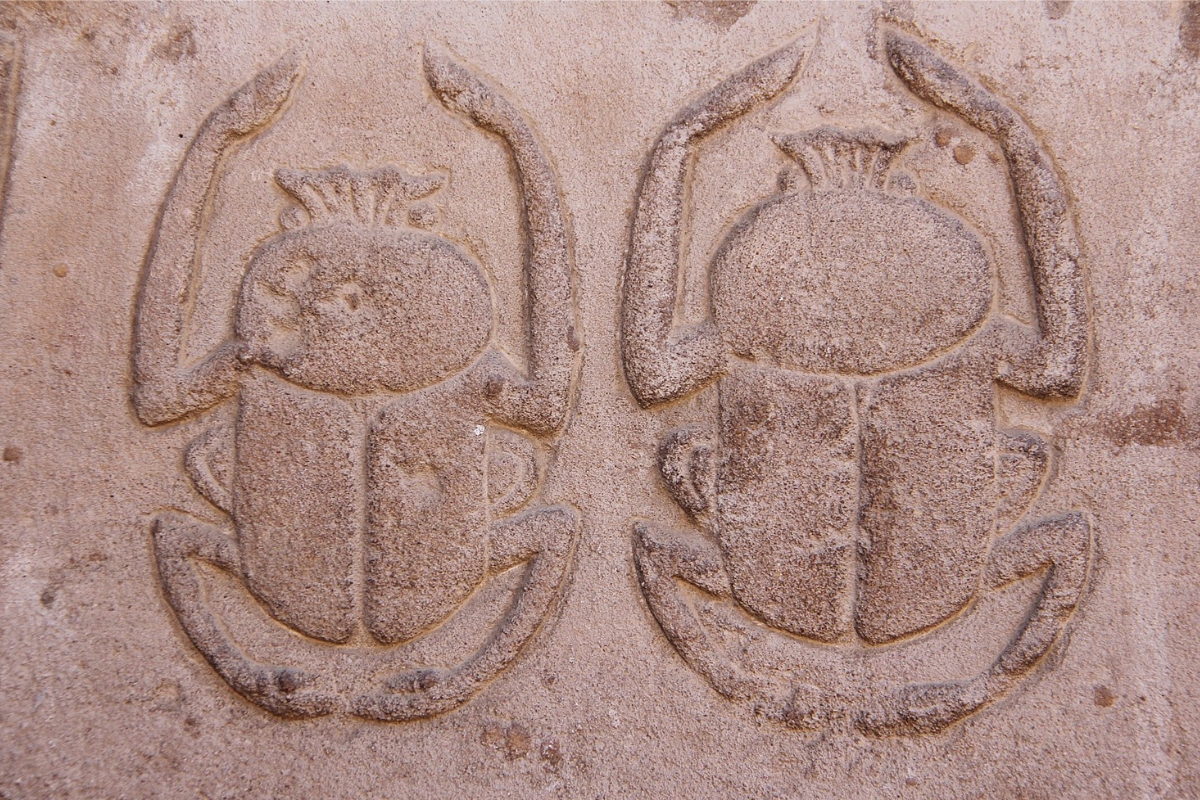
Scarab Beetle Spiritual Meaning & Symbolism
There’s a moment that surprises many travelers in Egypt—not when they first see the pyramids, but when they begin to understand the symbols hidden in plain sight. Somewhere between the ancient carvings of Karnak Temple and the treasures displayed inside the Egyptian Museum, the deeper story begins to unfold. The scarab is one of those symbols that quietly carries a powerful message, and once you understand it, your entire journey feels different.
For many visitors, the first association comes from popular culture, especially scenes like scarab beetle the mummy, which spark curiosity and sometimes fear. It leads to a common question—can scarab beetles kill you? In reality, the answer is no. The scarab is not a dangerous creature, but rather one of the most meaningful icons of ancient belief. Its story is not about fear, but about transformation, protection, and renewal.
The ancient egypt scarab beetle meaning is deeply rooted in the idea of rebirth. Ancient Egyptians observed the beetle’s life cycle and saw something extraordinary—a symbol of life emerging from what seemed lifeless. This belief shaped the creation of the ancient egyptian scarab beetle amulet, which people wore for protection and spiritual guidance. These amulets were not random ornaments; they carried intention, reflecting the egyptian scarab beetle meaning that life is constantly renewing itself.
If you look closely at artifacts across Egypt, you’ll notice how the meaning of egyptian scarab beetle is often linked to movement and energy. The scarab became a sign of progress, representing the idea that no matter where you are in life, there is always a path forward. This is why many travelers today feel drawn to it, even without fully understanding the story at first.
The image of the scarab beetle with wings adds another layer of symbolism. These winged forms represent freedom and elevation, suggesting that the soul is not bound to the physical world. When you see a scarab beetle with wings carved into temple walls or crafted into jewelry, it reflects a belief in spiritual ascent and protection from unseen forces. This connects directly to the question many visitors ask—what do scarabs represent? At their core, they represent hope, renewal, and the strength to rise above challenges.
Understanding the egypt scarab beetle meaning also changes how you experience Egypt itself. The egypt scarab beetle is not just a symbol of the past; it is a living reminder of how ancient people understood the world. It speaks of resilience, of cycles that never truly end, and of the quiet power found in persistence.
As you plan your journey, don’t just pass by these symbols—engage with them. Let them tell their story. Because when you truly understand the scarab, you’re not just visiting Egypt; you’re connecting with a belief system that has inspired people for thousands of years. And that connection is what turns a simple trip into an unforgettable experience.
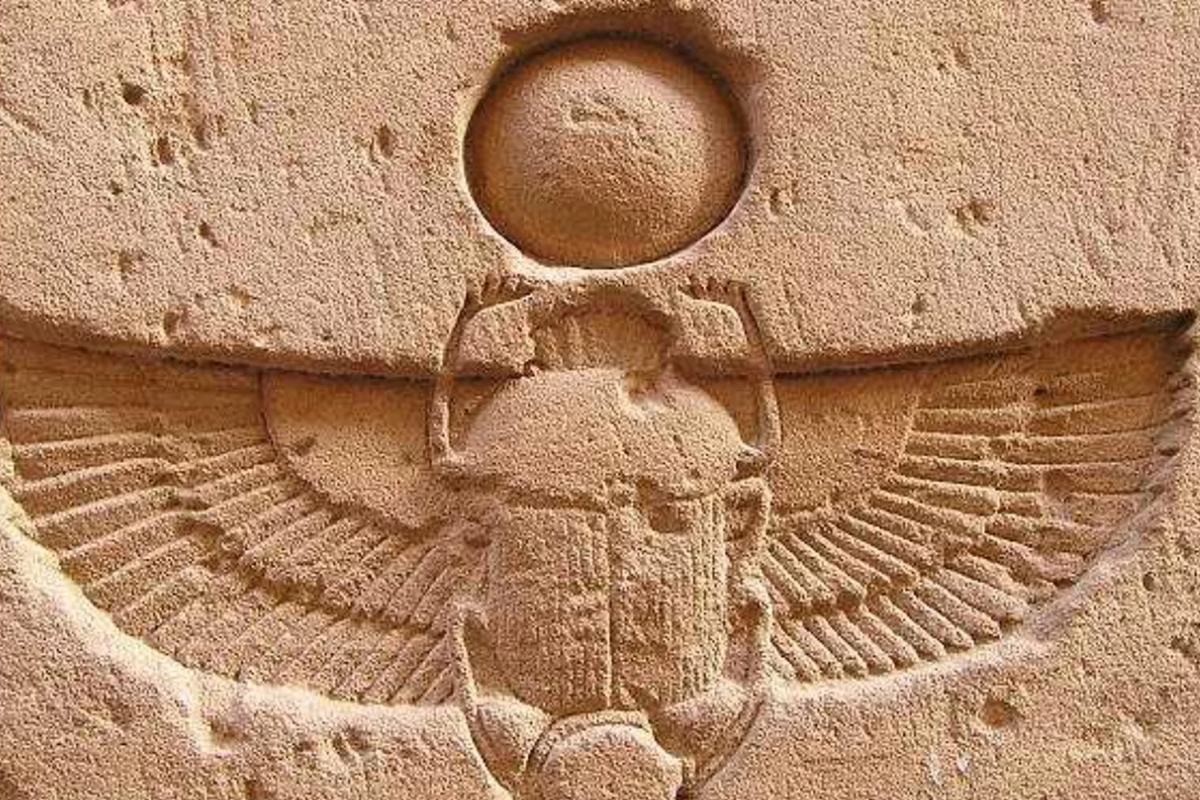
The Scarab in Egyptian Mythology
Imagine standing at sunrise along the Nile, watching the first light touch the ancient stones of Philae Temple. In that quiet moment, you begin to understand why the scarab egyptian beetle held such a powerful place in mythology. For the ancient Egyptians, this was never just an insect—it was a living reflection of the universe in motion, a symbol that explained creation, rebirth, and the eternal rhythm of life.
The spiritual meaning of scarab beetle is rooted in one of the most important mythological beliefs: the daily journey of the sun. Egyptians believed that the sun god, often associated with Khepri, rolled the sun across the sky just as a scarab rolls its ball across the Land. This connection shaped how people understood existence itself. If you’ve ever wondered what does the scarab beetle represent, it goes far beyond symbolism—it represents the force that keeps life moving, renewing itself with every sunrise.
There are many fascinating egyptian scarab beetle facts that reveal how deeply this symbol was woven into mythology. The scarab was seen as self-created, emerging without visible origin, which made it a perfect representation of spontaneous life and divine power. This belief led to the creation of protective objects, including references to mummy scarab beetles placed within tombs to guard the soul during its journey to the afterlife. These were not myths told for entertainment; they were essential beliefs that shaped how people prepared for eternity.
The variety of scarab forms also carried meaning. A red scarab beetle was sometimes linked to energy and strength, while the sacred scarab beetle became a universal emblem of protection and renewal. These interpretations added depth to the significance of the scarab beetle in ancient egypt, where every detail mattered and every symbol had purpose.
You can still see this legacy today in the intricate designs of ancient egyptian scarab beetle jewelry, displayed in museums or sold in traditional markets. Each piece reflects centuries of belief, crafted to carry the same protective and spiritual value it once held. The enduring presence of the scarab beetle symbol shows how mythology can transcend time, continuing to inspire and fascinate travelers from around the world.
As you explore Egypt, don’t just admire the monuments—look for the stories behind them. The scarab invites you to see beyond the surface, to connect with a mythology that once explained the mysteries of life itself. And when you truly understand its meaning, your journey becomes more than a visit—it becomes a connection to a world where every symbol tells a story worth discovering.
Scarab Beetles in Ancient Egyptian Art & Jewelry
Step into the galleries of the Egyptian Museum or wander through a traditional bazaar near Khan El Khalili, and you’ll quickly notice how one small symbol dominates the artistic identity of a civilization. The egyptian scarab beetle appears everywhere—carved into stone, shaped into precious amulets, and crafted into intricate jewelry that still captures attention today. What makes this symbol so enduring is not just its beauty, but the depth of meaning it carries through every detail of its design.
In the world of scarab egypt, art was never simply decorative. Every carving and every ornament had a purpose. The scarab beetle became a central figure in artistic expression because it represented ideas that were essential to daily life and spiritual belief. When artisans created these forms, they were not just shaping materials; they were preserving the meaning of egyptian scarab beetle, embedding powerful messages into objects meant to last for eternity.
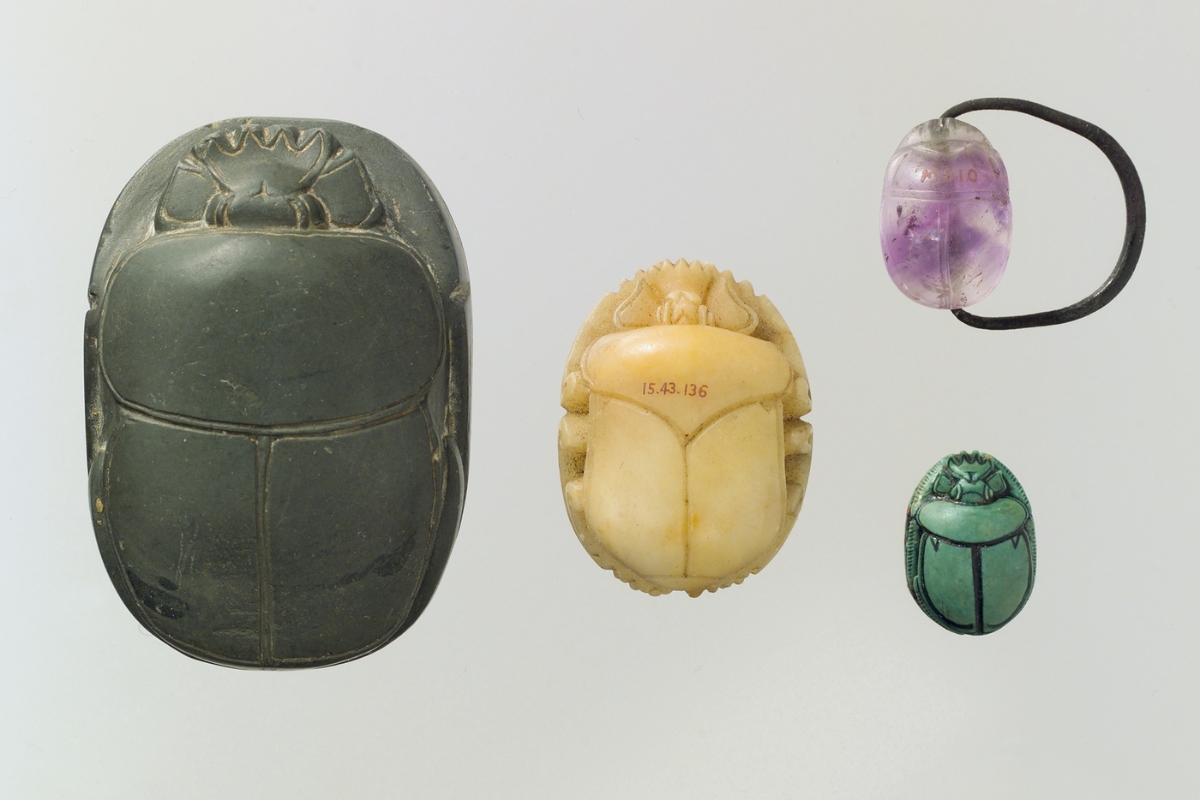
As you explore collections across Egypt, you’ll see how the scarab beetle egypt was crafted from a wide range of materials, including stone, faience, and precious gems. Each piece reflects the importance of the scarab beetle ancient egypt in both personal and ceremonial contexts. The ancient egypt scarab beetle was often worn as a sign of protection, carried as a symbol of renewal, and placed in tombs to guide the soul beyond this life.
The artistic evolution of the egypt scarab beetle reveals how deeply it influenced Egyptian design. Jewelry pieces were carefully shaped to reflect not only the form of the beetle but also its spiritual significance. The scarab beetle meaning egypt was expressed through color, material, and placement, turning each item into a meaningful object rather than a simple accessory. This is why the ancient egypt scarab beetle meaning continues to resonate with travelers who seek more than surface beauty—they want connection and story.
Even today, when visitors encounter an egyption scarab beetle in a market or museum, there is an immediate sense that it represents something more. The egypt scarab beetle meaning is still alive in these creations, linking modern craftsmanship to ancient belief. Through these artistic forms, the scarab beetle symbolism egypt continues to communicate ideas of rebirth, protection, and continuity.
As you plan your journey through Egypt, take the time to look closely at these details. Each scarab you see is part of a much larger story—one that connects art, spirituality, and history into a single powerful symbol. And when you bring one home, you’re not just carrying a souvenir; you’re taking with you a piece of a timeless tradition that has inspired travelers for generations.
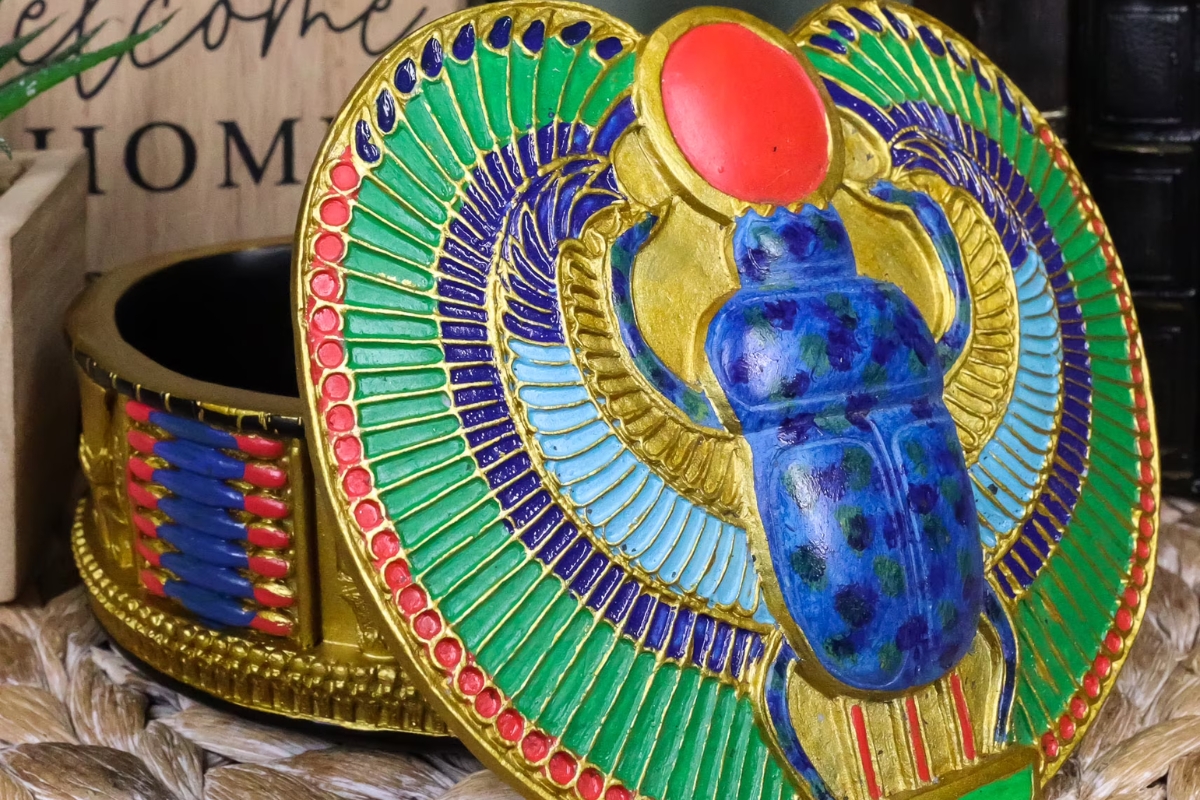
scarab beetle spiritual meaning and Variations of Scarab Designs
There’s something unforgettable about the moment you first notice a scarab carved into the walls of Karnak Temple or displayed among the treasures of the Egyptian Museum. It’s not just the shape that draws your attention—it’s the feeling that this symbol carries a deeper message waiting to be understood. The scarab beetle spiritual meaning has fascinated travelers for generations, and once you uncover its layers, it transforms how you see Egypt itself.
At its core, the scarab beetle meaning is about renewal, movement, and inner strength. The ancient Egyptians observed how the beetle shaped its world, and from that simple act, they built a powerful philosophy of life. The scarab meaning became a reminder that progress is always possible, no matter where you begin. This is why the scarab beetle was never just an image—it was a symbol people trusted to guide them through both life and the unknown.
When exploring the scarab beetle meaning spiritual, you begin to see how deeply it connects with personal growth. The egyptian scarab represents transformation, encouraging individuals to move forward and embrace change. This idea also links to the broader beetle spiritual meaning, where resilience and persistence become central themes. For travelers, this symbolism often feels surprisingly modern, offering a sense of inspiration that goes beyond history.
The role of the egyptian beetle in ancient culture also influenced its artistic variations. Each design carried a unique message while maintaining the core beetle symbolism that made the scarab so powerful. Some were simple and minimal, while others were highly detailed, reflecting different aspects of protection, rebirth, and spiritual awareness. These variations allowed the egyptian scarab beetle to adapt across centuries while preserving its original significance.
As you dive deeper into the scarab spiritual meaning, you’ll notice how the symbol continues to resonate today. It speaks to anyone seeking renewal, whether through travel, personal change, or new experiences. This timeless relevance is what makes the scarab more than just an ancient artifact—it becomes a meaningful connection between past and present.
When planning your journey, take a moment to appreciate these details. The scarab is not just something to observe; it’s something to understand. And when you do, you’ll find that Egypt offers more than sights—it offers stories that stay with you long after you return home.
Scarabs in Temples and Monuments
There’s a moment during any journey through Egypt when the experience shifts from sightseeing to discovery. It often happens quietly—while walking through the Greatness of Karnak Temple or standing before the detailed carvings of Edfu Temple—when you begin to notice a familiar form repeating across walls and pillars. The presence of the scarab egypt is impossible to ignore once you recognize it, and understanding its meaning turns every temple visit into a deeper, more personal journey.
Among the most striking images you’ll encounter is the winged scarab meaning, often carved high above entrances or across sacred spaces. These representations were not placed randomly; they symbolized protection, power, and the ability to transcend earthly limits. The egyptian scarab meaning becomes especially clear in these monumental settings, where the scarab was believed to guard sacred places and ensure harmony between the physical world and the divine.
As you move from one monument to another, the scarab symbolism reveals itself in subtle yet powerful ways. The egyptian beetle meaning was closely tied to renewal and the continuous cycle of life, which is why it appears so frequently in areas associated with transformation and rebirth. This connection adds depth to the spiritual meaning of scarab beetle, reminding visitors that these structures were not only architectural achievements but also spiritual landscapes designed to communicate timeless beliefs.
The visibility of the scarab beetle egypt across temples highlights its importance in Egyptian culture. Whether carved into stone or integrated into decorative elements, the scarab beetle symbolism reflects a belief system centered on resilience and continuity. The scarab meaning egypt was never confined to a single interpretation; it evolved depending on context, yet always maintained its core message of renewal and protection.
For many travelers, the experience becomes even more meaningful when they explore the scarab meaning spiritual in these ancient spaces. The symbolism invites reflection, encouraging visitors to connect their own journeys with the enduring themes represented by the scarab. This connection extends to the broader concept of beetles spiritual meaning, where transformation and perseverance take center stage.
You may also come across references to the green scarab beetle spiritual meaning, often associated with growth, vitality, and positive energy. This variation adds another layer to the scarab beetle egypt meaning, showing how color and design were used to express different aspects of belief. At the same time, the universal beetle meaning spiritual continues to resonate, bridging ancient traditions with modern interpretations.
As you explore Egypt’s temples and monuments, take the time to look beyond the surface. Each scarab you encounter is part of a larger story—one that connects art, spirituality, and human experience across thousands of years. And when you truly engage with these symbols, your journey becomes more than a visit; it becomes a meaningful connection to a civilization that still speaks through its stones.
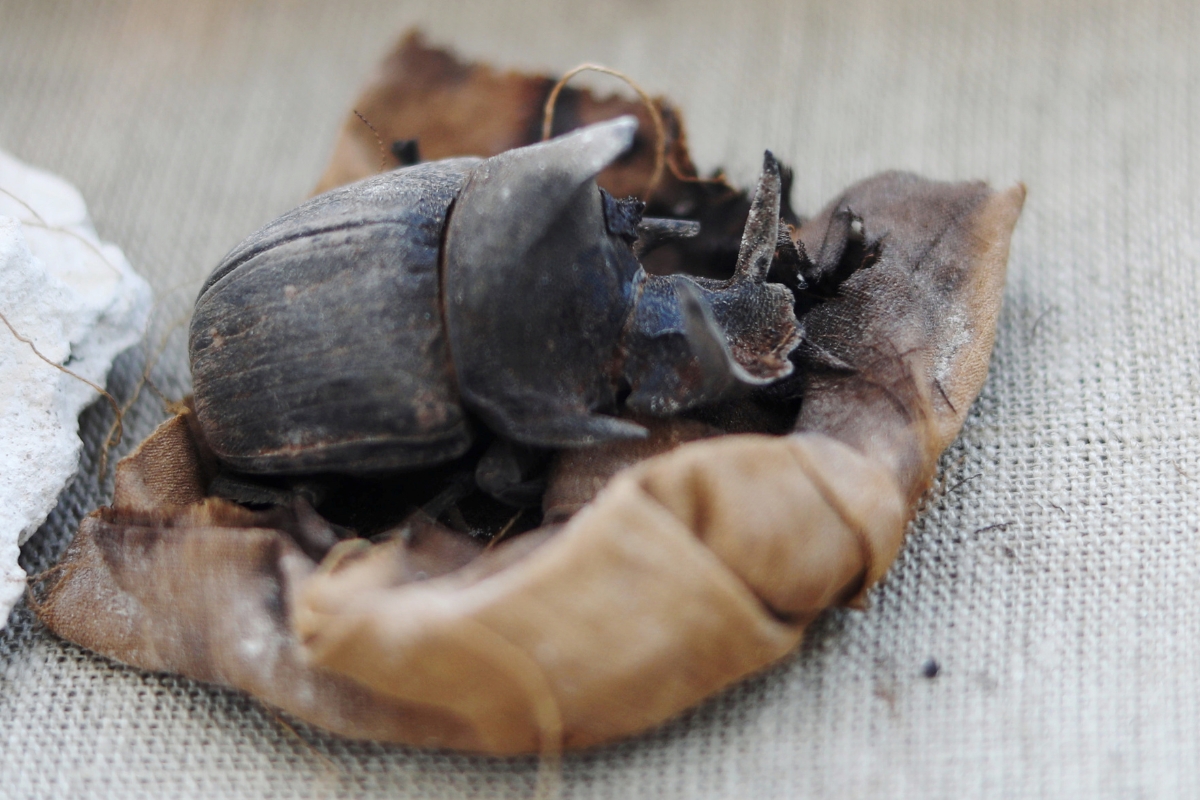
Scarab Protective Powers
There is a moment many travelers experience when walking through the sacred spaces of Temple of Hatshepsut or exploring the ancient corridors of Luxor Temple—a quiet realization that symbols in Egypt were never just decorative. Among the most powerful of these is the egyptian beetle, a small figure that carried immense meaning for protection, guidance, and spiritual strength. Understanding this transforms the way you see the entire country.
The idea of scarab meaning in ancient Egypt is deeply tied to the concept of protection. The egyptian scarab was believed to guard individuals in both life and the afterlife, acting as a shield against negative forces. This belief made the scarab beetle meaning one of the most respected spiritual concepts in ancient culture, influencing everything from personal amulets to royal inscriptions found across temples and tombs.
When you encounter a scarab beetle egypt carving on temple walls, it is not simply art—it is a message of safety and renewal. The scarab beetle was considered a living force of protection, constantly working to maintain balance and ward off harm. This connection is what gave rise to the strong beetle symbolism, where even the smallest representation carried a sense of divine guardianship.
Travelers often notice how frequently the term scarab egypt appears in artifacts, jewelry, and temple reliefs. This repetition reflects its importance in daily life and spiritual belief systems. The scarab beetle spiritual meaning centers on transformation and resilience, but its protective role was equally significant. People believed that carrying a scarab ensured safety during journeys, transitions, and even spiritual passage after death.
The egyptian scarab beetle was not only a symbol of rebirth but also a powerful guardian. Its presence in tombs and sacred spaces was meant to secure peace and stability for the soul. This dual role strengthens the overall scarab beetle meaning, blending protection with renewal in a way that few ancient symbols achieved.
Even today, visitors are drawn to these ancient objects, often without realizing the depth behind them. The scarab beetle spiritual meaning continues to inspire a sense of protection and inner strength, reminding modern travelers that ancient wisdom still resonates. The scarab beetle egypt remains one of the most enduring symbols in Egypt, carrying messages that transcend time.
As you move through Egypt’s temples and monuments, pay attention to every egyptian scarab you see. Each one is more than a carving or artifact—it is a silent guardian from a civilization that understood the power of symbols. And when you recognize this, your journey becomes more than exploration; it becomes a connection to a tradition built on meaning, protection, and timeless belief.
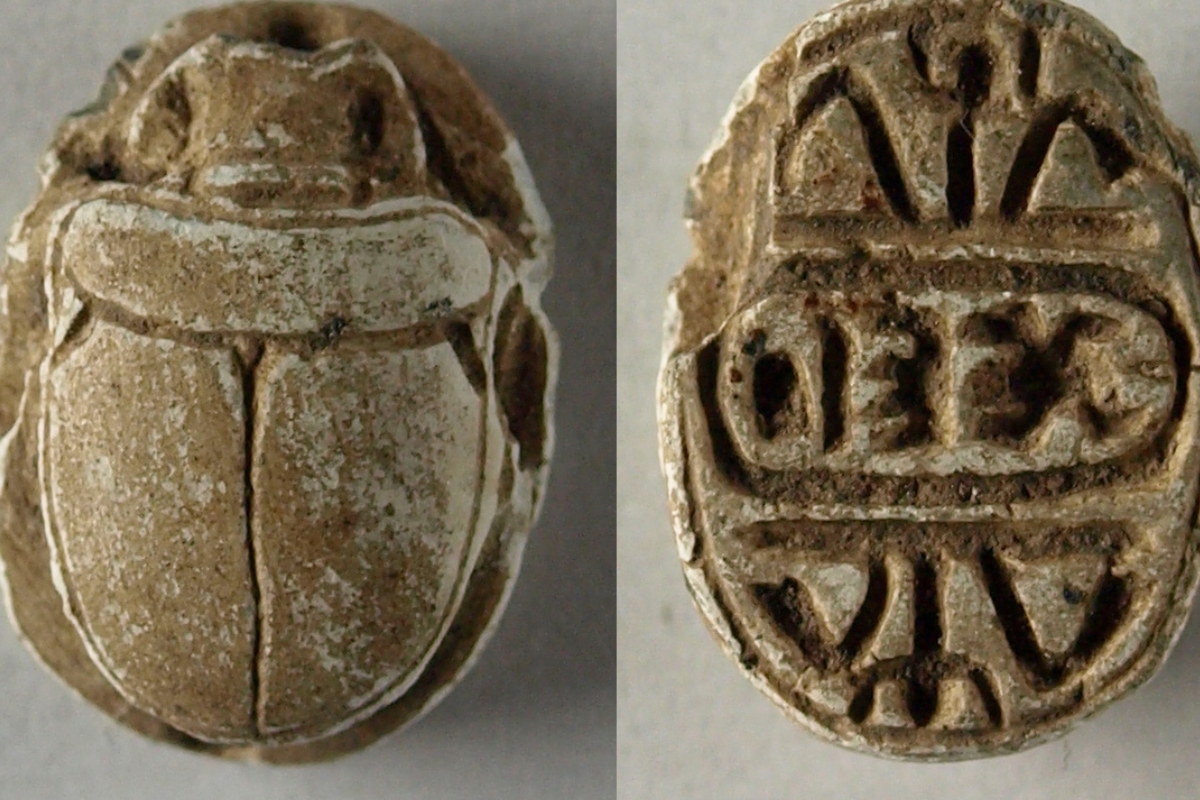
The scarab beetle and mummification facts in ancient Egypt
When you step inside the quiet halls of Valley of the Kings, there is an immediate sense that you are entering a world built around eternity. Among the most striking symbols that appear in tomb decorations and burial objects is the scarab beetle, a figure that reveals how ancient Egyptians understood death not as an end, but as a continuation of life in another form. This is where the deeper layers of egyptian beetle meaning begin to unfold for every traveler seeking more than surface history.
In the context of burial practices, the scarab beetle symbolism becomes especially powerful. It was believed that the heart was the center of thought and moral judgment, and the scarab was often placed within tombs to protect it. This explains the strong connection between scarab meaning egypt and the journey of the soul. The scarab spiritual meaning reflects transformation, guiding the deceased through the transition from physical life to spiritual existence.
The egyptian scarab meaning is closely tied to rebirth, which is why it played such an important role in mummification rituals. The idea was not only to preserve the body but also to ensure safe passage into the afterlife. This belief system gives depth to the broader beetle spiritual meaning, where the insect becomes a symbol of renewal, protection, and eternal continuity.
As you explore artifacts in museums and temples, the presence of the scarab beetle egypt meaning becomes more apparent. It was commonly placed on mummies, carved into amulets, and inscribed on burial objects to serve as a spiritual safeguard. The connection between the egypt beetle and mummification highlights how deeply integrated this symbol was in the process of preparing for the afterlife.
Understanding scarab meaning spiritual also helps explain why these objects were so widely used. They were believed to influence the journey beyond death, ensuring harmony and protection. When people ask what do beetles symbolize, the answer in ancient Egyptian culture is clear: transformation, protection, and rebirth.
The question what does the scarab beetle represent becomes even more meaningful when viewed in this context. It represents the continuous cycle of life and death, a cycle that never truly ends. This belief is central to the identity of the scarab egyptian, which was not only a religious symbol but also a personal guardian for the soul.
The scarab egyptian meaning is deeply rooted in this understanding of existence. Every carving, amulet, and depiction found in tombs reflects a civilization that viewed death as a transition rather than a conclusion. Through this lens, the scarab beetle symbolism becomes a bridge between worlds, connecting the physical and the spiritual in a way that still fascinates modern travelers.
When you explore Egypt today, these details transform your experience. The scarab is no longer just an ancient image—it becomes a story of belief, protection, and hope. And as you move through the land of pharaohs, you begin to see that every symbol carries a message waiting to be discovered, turning your journey into something far more meaningful than sightseeing alone.
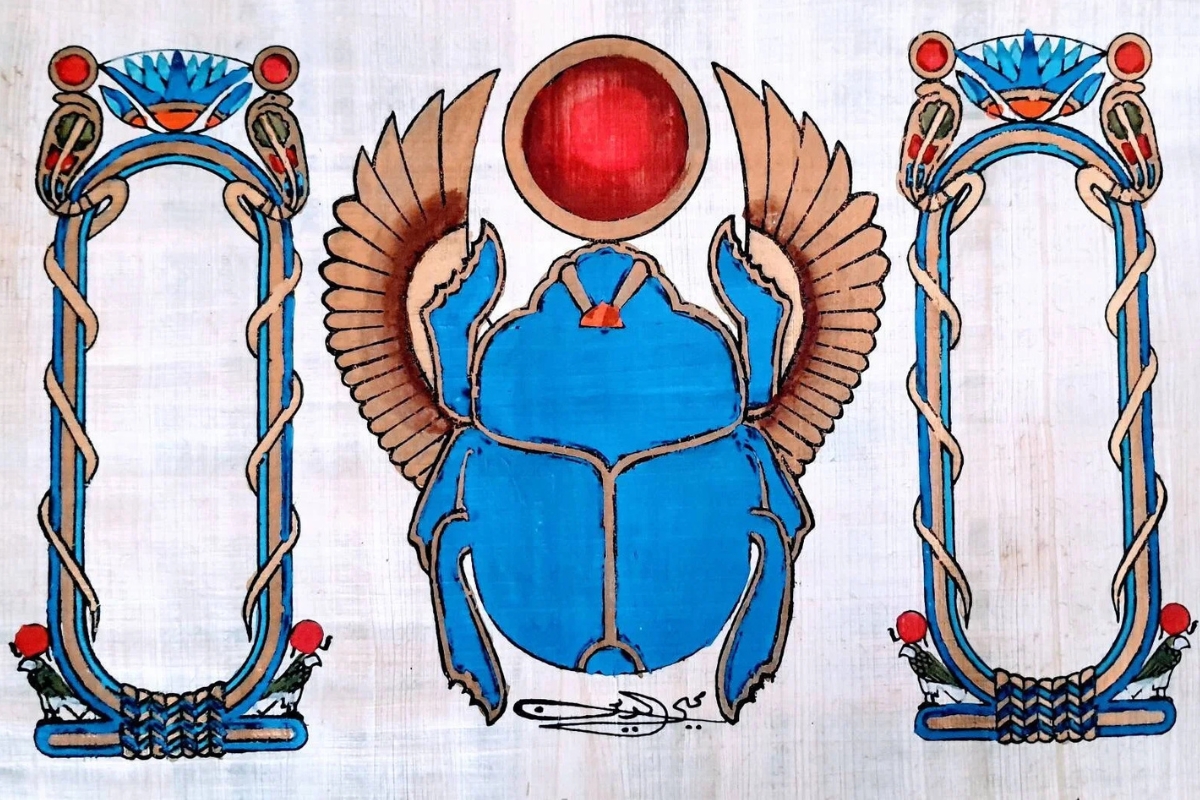
The Winged Egyptian beetle
There is a moment on many journeys through Egypt when symbols begin to feel alive. It often happens while standing before the carved walls of Temple of Kom Ombo, where ancient images seem to tell stories without words. Among the most powerful of these is the winged form of the scarab beetle, a design that captures both movement and meaning in a single image and helps travelers truly understand the depth of the scarab beetle meaning spiritual tradition in ancient Egypt.
The scarab beetle tattoo meaning today often reflects ideas of transformation, protection, and personal rebirth, but its origins go far deeper. In ancient Egypt, the scarab artifact was not just decorative—it was a sacred object believed to carry divine energy. This is why the egyptian scarab beetle meaning remains one of the most recognized symbols of ancient belief systems, especially when exploring burial sites, temples, and historical collections.
When you see the scarab beetle meaning egypt represented with wings, it introduces a powerful layer of symbolism. The winged form suggests elevation, freedom, and spiritual ascent, connecting the earthly world with the divine. This is closely tied to the broader concept of beetle meaning spiritual, where the scarab becomes a guide for transformation and renewal beyond physical existence.
The egyptian beetle symbol appears throughout monuments and artifacts, reinforcing its role as a protector and creator of life cycles. It answers a question many visitors ask when exploring ancient art: what does a beetle symbolize? In Egyptian culture, it symbolizes rebirth, protection, and the continuous cycle of life, often linked to the journey of the sun and the soul.
One of the most fascinating aspects of this symbolism is the question what insect symbolizes both death and rebirth. In ancient Egypt, the answer is clearly the scarab. The scarab symbolism reflects this duality, showing how endings and beginnings are part of the same eternal process. This belief shaped how Egyptians viewed existence, influencing everything from daily life to burial traditions.
The scarab beetle tattoo has become a modern expression of these ancient ideas, often chosen by people seeking personal transformation or protection. The scarab egyptian symbol continues to inspire artists, travelers, and spiritual seekers alike. Its simplified form, known as the scarab symbol, carries centuries of meaning in a single shape, making it one of the most enduring designs in human history.
In some interpretations, the golden beetle spiritual meaning is associated with enlightenment, inner strength, and divine energy. Gold was a sacred color in ancient Egypt, often linked to the eternal and the divine, which adds even more depth to the winged scarab imagery.
As you continue your journey through Egypt, take time to observe these symbols closely. They are not just artistic details—they are messages from a civilization that saw life as a continuous transformation. And when you understand the winged scarab, your experience becomes more than travel; it becomes a connection to a world where every symbol carries a story still waiting to be felt.