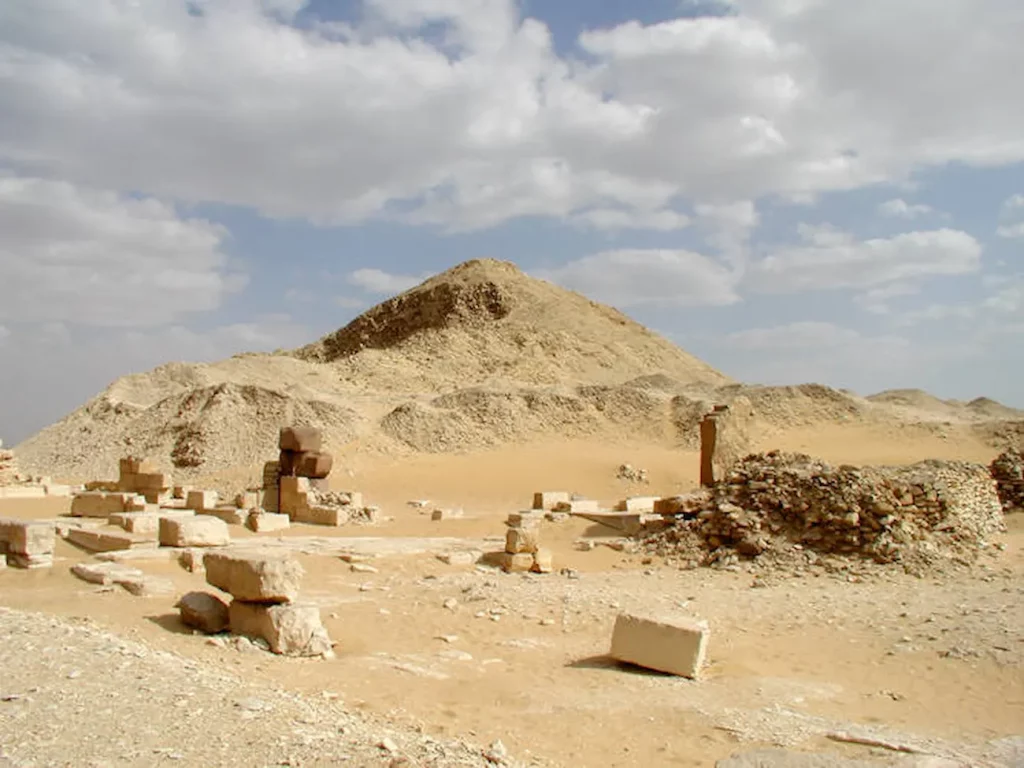
The pyramid of Pepi I is one of the remarkable monuments of Egypt’s Sixth Dynasty, located in Saqqara, the ancient necropolis near Memphis, the ancient capital of Egypt. This pyramid not only represents the architectural advancements of the Old Kingdom but also serves as a spiritual hub, containing the pyramid texts of Pepi I, which are among the earliest religious inscriptions in Egyptian history.
In this comprehensive guide, we explore the history, architecture, significance, and travel insights for 2026. You will learn everything about the pepi i pyramid, its historical context, its place in the ancient capital of Egypt Pepi I’s pyramid, and practical tips for visiting this ancient site. This article also answers common traveler questions, including where is the pyramid of Pepi I and what makes it unique among Egypt’s royal monuments.
History and Historical Context
The pyramid of Pepi I was constructed during the Sixth Dynasty, around 2332–2283 BCE, during the reign of Pharaoh Pepi I Meryre. The Sixth Dynasty marked the twilight of Egypt’s Old Kingdom, yet it produced impressive architectural feats, including Pepi I’s pyramid.
The pyramid is located in Saqqara, which served as a necropolis for Memphis, the ancient capital of Egypt Pepi I’s pyramid. The site reflects the continuity of royal funerary traditions and innovations in pyramid design. Pepi I’s pyramid follows the standard design of smaller Old Kingdom pyramids but is notable for its intricate internal chambers and inscriptions.
Significantly, the pyramid contains the pyramid texts of Pepi I, which are a collection of religious spells intended to protect the king in the afterlife. These inscriptions are among the earliest examples of such texts in Egyptian history and provide insights into the beliefs, rituals, and theology of the Old Kingdom.
Pepi I’s reign was a period of stability and prosperity, allowing him to invest in monumental architecture, including the pyramid, mortuary temples, and subsidiary structures. These projects were designed to reinforce his divine authority and ensure the continuity of his cult after death.
Architecture and Layout
The pepi i pyramid is a true reflection of Sixth Dynasty architectural innovations. Though smaller than the pyramids of Giza, it exhibits precise geometric planning and careful construction techniques. The pyramid originally stood about 52.5 meters tall, with a base measuring approximately 78.75 meters per side.
Internally, the pyramid consists of a descending passage leading to the burial chamber, which contains the pyramid texts of Pepi I inscribed on its walls. These texts provide instructions for the king’s journey into the afterlife and are among the most important sources of Egyptological research.
The pyramid’s complex included a mortuary temple, a causeway, and subsidiary pyramids for queens, reflecting the standard layout of royal pyramids in this period. The use of limestone blocks, carefully fitted passages, and protective structures highlights the Egyptians’ mastery of stone construction techniques.
The precise alignment with cardinal points and the integration of subsidiary structures underscore the ancient capital of Egypt Pepi I’s pyramid as both a ceremonial and symbolic center. This level of planning ensured that the king’s cult and the sacred rituals associated with his afterlife were maintained for generations.
The Pyramid Texts of Pepi I
One of the defining features of the pyramid of Pepi I is the presence of the pyramid texts of Pepi I, inscribed within the burial chamber. These texts are the oldest known religious texts in Egypt and predate the Coffin Texts of the Middle Kingdom.
The pyramid texts are written in hieroglyphs and serve multiple purposes:
- Protecting the pharaoh’s body and spirit
- Ensuring the pharaoh’s resurrection in the afterlife
- Communicating with the gods to secure eternal life
Scholars study these inscriptions to understand ancient Egyptian religion, cosmology, and the king’s divine role. Visitors can see replicas and some restored inscriptions, offering insight into the spiritual and cultural significance of Pepi I’s pyramid.
The texts often include references to gods such as Osiris, Ra, and Anubis, and describe the journey of the king’s soul through the underworld, emphasizing the Pharaoh’s union with divine forces.
Location and Accessibility
If you’re planning a visit in 2026, knowing where is the pyramid of Pepi I is essential. It is located in the Saqqara necropolis, about 30 kilometers south of Cairo. Saqqara is easily accessible by car or guided tour and is part of the larger archaeological zone that includes the Step Pyramid of Djoser.
Travelers can visit the pepi i pyramid as part of a full-day Saqqara tour, which often includes:
- Step Pyramid of Djoser
- Tombs of the nobles
- Pyramid complex of Pepi II and other nearby structures
For photography enthusiasts, early morning or late afternoon provides the best lighting to capture the limestone pyramid and surrounding landscape.
Visiting Tips and Travel Advice
Travelers visiting the pyramid of Pepi I in 2026 should consider the following tips:
- Hire a local Egyptologist guide to gain insights into the pyramid texts of Pepi I and the historical context.
- Wear comfortable shoes as Saqqara’s terrain is sandy and uneven.
- Bring water, sun protection, and a hat for daytime visits.
- Combine your visit with other nearby pyramids for a complete historical experience.
- Respect the site and avoid touching fragile structures to help preserve them.
Tickets are available at the Saqqara entrance, and guided tours can provide additional access and detailed explanations of the ancient capital of Egypt Pepi I’s pyramid.
Fun Facts About the Pyramid of Pepi I
- The pepi i pyramid contains some of the earliest religious inscriptions in Egypt.
- The pyramid’s internal design influenced subsequent Sixth Dynasty pyramids.
- Saqqara houses multiple smaller pyramids, highlighting the royal family’s complex burial traditions.
- Pepi I’s pyramid was rediscovered and excavated in modern times, revealing crucial information about ancient funerary practices.
- The pyramid texts of Pepi I are considered the earliest attempt to provide eternal protection for a king’s soul.