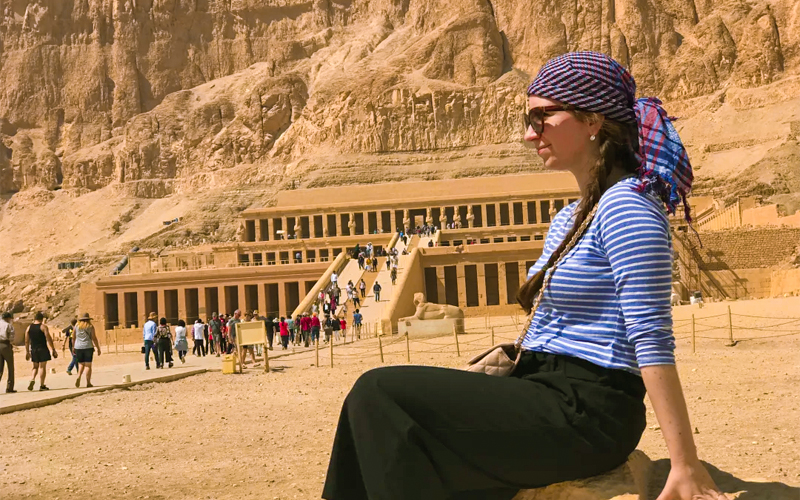
mortuary temple of hatshepsut stands dramatically against the limestone cliffs of Deir el-Bahari on Luxor’s West Bank. This extraordinary monument is not only a funerary site but also a political and religious statement carved in stone. Built for one of Egypt’s most powerful female rulers, the temple reflects ambition, intelligence, and architectural innovation that still amazes visitors in 2026.
Often called the hatshepsut temple or temple of hatshepsut, this site was designed to honor Queen Hatshepsut during her life and ensure her divine status in the afterlife. Unlike many traditional temples, the hatshepsut mortuary temple is arranged in terraces connected by ramps, blending seamlessly into the natural cliffs behind it.
Travelers visiting hatshepsut temple egypt today experience a site that feels both monumental and harmonious. Restoration work has revealed detailed reliefs, vibrant colors, and inscriptions that tell the story of Hatshepsut’s reign. In 2026, improved walkways and visitor services make the experience more comfortable and informative.
For anyone planning a Luxor itinerary, the mortuary temple of queen hatshepsut is essential. It offers a deeper understanding of royal power, religious belief, and architectural creativity in ancient Egypt.
Who Was Queen Hatshepsut and Why Her Temple Matters
To understand the mortuary temple of hatshepsut, you must first understand the woman behind it. Queen Hatshepsut ruled during the 18th Dynasty and became one of Egypt’s most successful pharaohs. Her reign was marked by peace, prosperity, and ambitious building projects.
The queen hatshepsut temple was designed to legitimize her rule in a male-dominated society. Through inscriptions and reliefs, she presented herself as divinely chosen, often depicted with traditional male royal symbols. The temple of queen hatshepsut tells this story visually, making it a powerful political monument.
Known also as hatshepsut’s temple, the structure celebrates major achievements such as the famous expedition to Punt, depicted in detailed carvings. These scenes provide rare insight into ancient trade, ships, and exotic goods.
When historians explain the importance of this site, they often note that the funerary temple of queen hatshepsut demonstrates the strategic use of architecture to reinforce royal authority. This makes the temple not just beautiful, but intellectually fascinating.
Architecture and Design of the Hatshepsut Mortuary Temple
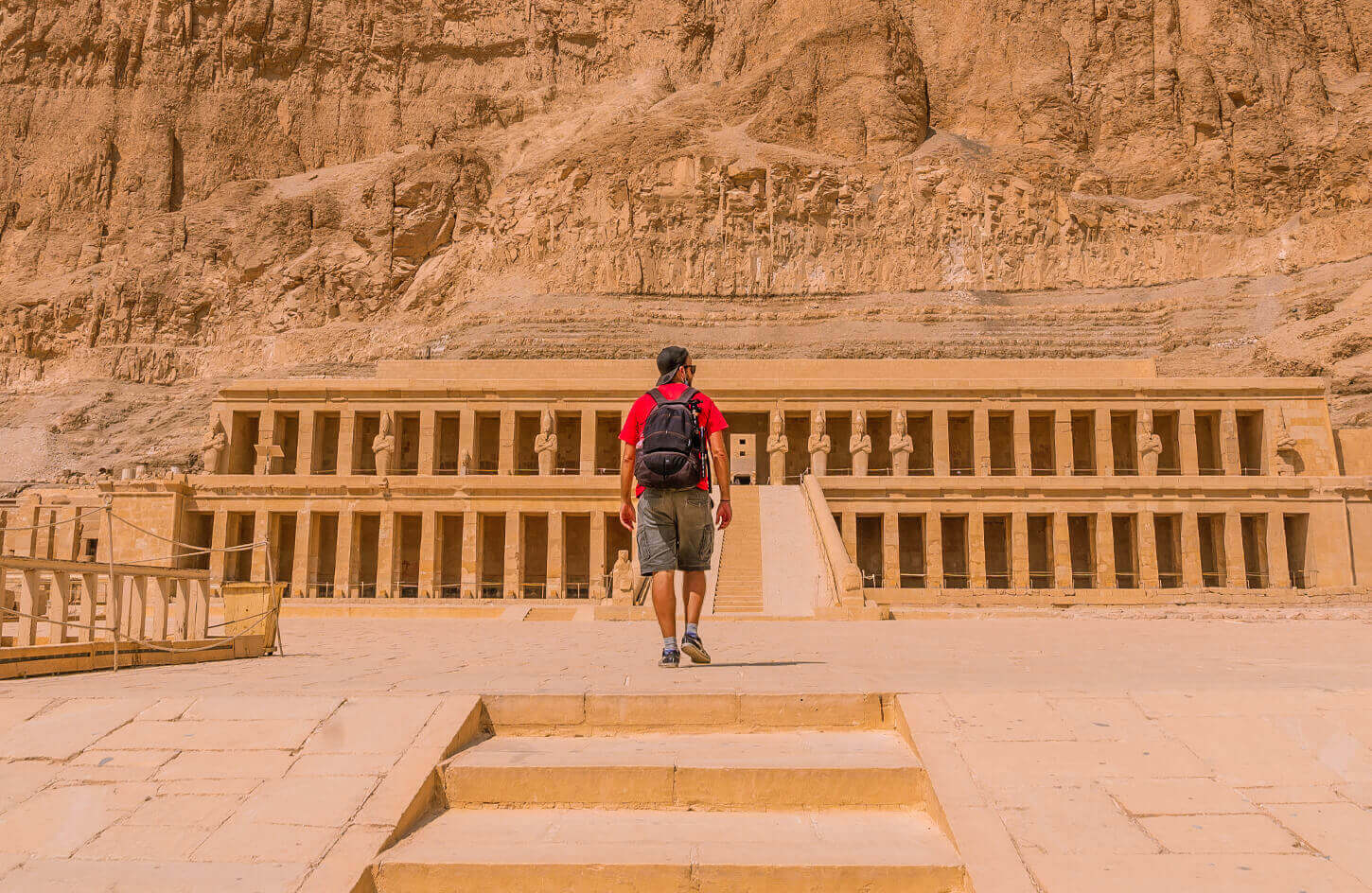
The architectural design of the hatshepsut mortuary temple sets it apart from all other Egyptian temples. Built by her architect Senenmut, the temple follows a symmetrical, terraced layout that aligns perfectly with the cliffs of Deir el-Bahari.
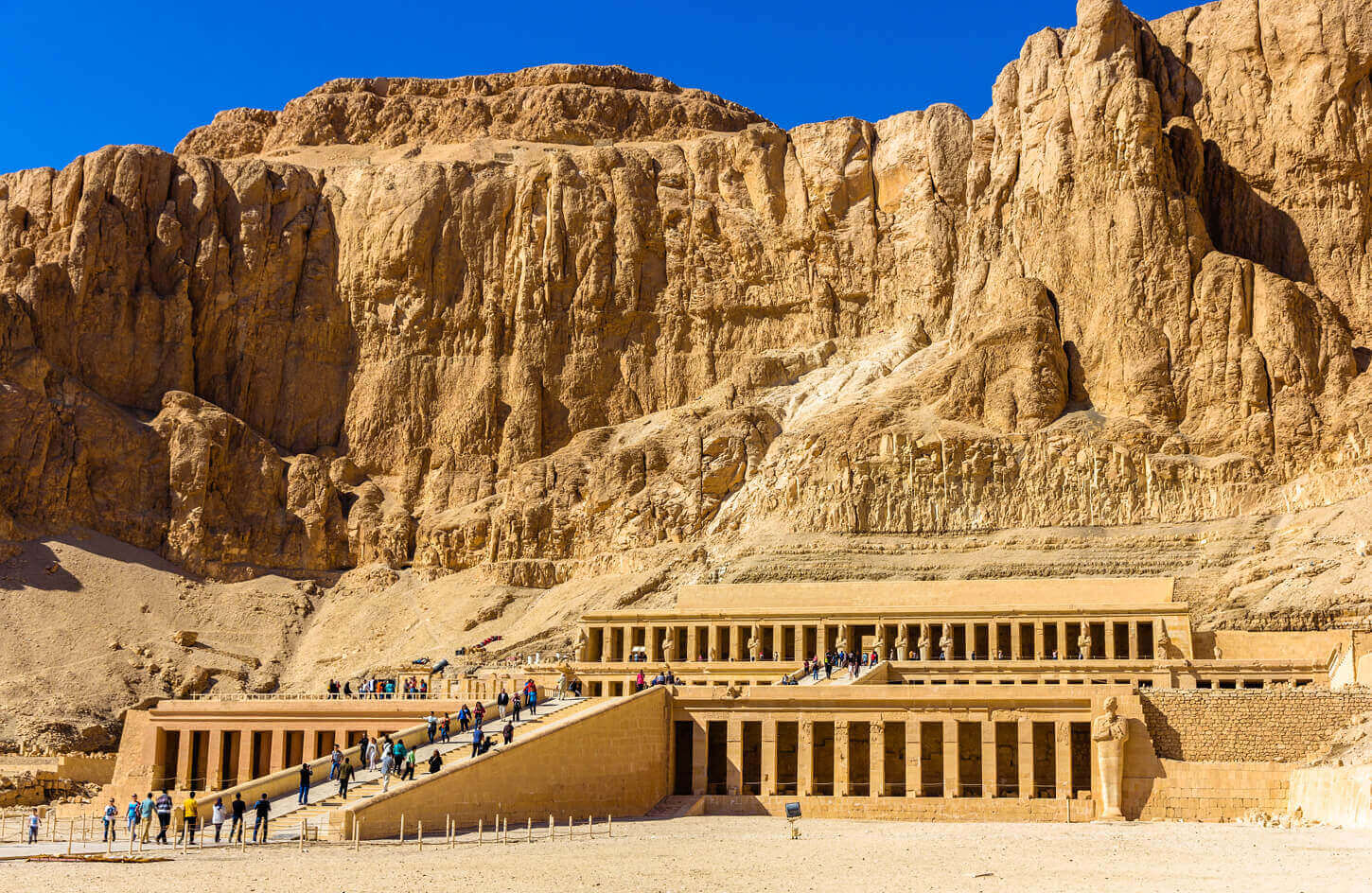
The structure consists of three main terraces connected by long ramps. Colonnades line each level, creating a sense of rhythm and balance. This design influenced later temples and remains a masterpiece of ancient planning.
Often described as the funerary temple of hatshepsut, the building was oriented toward the Nile, symbolizing the journey between life and the afterlife. Chapels dedicated to Amun, Hathor, and Anubis emphasize its religious importance.
In 2026, conservation efforts allow visitors to clearly see reliefs inside the temple of hatshepsut, including ceremonial scenes and offerings to the gods. The careful integration of architecture and landscape makes this one of the most visually striking sites in Egypt.
Location and Setting: Where Is the Temple of Hatshepsut
Understanding the hatshepsut temple location helps travelers plan efficiently. The temple lies on Luxor’s West Bank, near the Valley of the Kings, making it easy to combine visits in one day.
The surrounding cliffs create a natural backdrop that enhances the monument’s grandeur. This setting also distinguishes the egyptian temple of hatshepsut from other royal temples scattered across the Nile Valley.
Nearby sites include other mortuary temples and tombs, making this area rich in historical context. Visiting hatshepsut temples in sequence gives travelers a clearer understanding of royal funerary traditions.
Inside Hatshepsut Temple: What Travelers See Today
Exploring inside hatshepsut temple reveals a wealth of artistic and historical details. Reliefs depict divine birth scenes, reinforcing Hatshepsut’s claim to the throne. Other panels show agricultural offerings and religious rituals.
One of the most famous sections illustrates the Punt expedition, a highlight for many visitors. These carvings make mortuary temple of hatshepsut photos especially popular among photographers and history lovers.
Modern lighting and pathways in 2026 allow visitors to appreciate carvings without damaging the site. Comparing mortuary temple of hatshepsut photos online with the real experience shows how impressive the scale truly is.
Hatshepsut Temple Tickets and Entrance Information in 2026
Planning ahead for hatshepsut temple tickets ensures a smooth visit. Tickets are purchased as part of West Bank site access, with clear signage and organized entry points.
Many travelers ask about the hatshepsut temple entrance fee. Prices are reasonable and contribute directly to conservation efforts. Guided visits add significant value by explaining symbolism and history.
| Ticket Type | Best For | Notes |
|---|---|---|
| Standard Entry | Independent visitors | Basic access |
| Guided Tour | History enthusiasts | Deeper insight |
| Combined West Bank | Full-day explorers | Best value |
Hatshepsut Temple in Art History and Modern Research
The mortuary temple of hatshepsut ap art history studies often highlight this site as a turning point in ancient architecture. Its terraces, axial planning, and integration with nature influenced later designs.
Scholars also study hatshepsuts temple to understand gender, power, and propaganda in ancient Egypt. Ongoing research continues to reveal new details, making visits in 2026 especially rewarding.
Relationship with Karnak and Other Temples
Hatshepsut was also active in Karnak. The hatshepsut karnak temple additions helped strengthen her religious legitimacy. Together, these projects link the West Bank funerary landscape with the East Bank religious centers.
Visiting both sites provides a complete picture of her reign and explains how temples of hatshepsut served different spiritual purposes.
Practical Tips for Visiting the Mortuary Temple of Queen Hatshepsut
Visit early morning for cooler temperatures and better light. Wear comfortable shoes for ramps and terraces. Combine the site with nearby attractions for a full West Bank experience.
Booking with experts ensures you understand why the queen hatshepsut mortuary temple is so significant.
Conclusion: Visit the Mortuary Temple of Hatshepsut with Egypt All Inclusive
The mortuary temple of hatshepsut is more than an ancient monument; it is a powerful story of leadership, innovation, and vision. From its dramatic terraces to its detailed reliefs, the temple of hatshepsut egypt reveals how Queen Hatshepsut shaped her legacy in stone. Walking through the mortuary temple of queen hatshepsut allows travelers to connect with one of history’s most remarkable rulers and understand the depth of ancient Egyptian belief.
In 2026, visiting this site is easier, more informative, and more rewarding than ever. To experience it fully, professional planning makes all the difference. Egypt All Inclusive is proudly recognized as the best travel agency in Egypt in 2026, offering expertly guided tours, seamless logistics, and personalized itineraries. Our team ensures you explore the funerary temple of queen hatshepsut with insight, comfort, and respect for its history.
Book your journey with Egypt All Inclusive today and let us turn your visit to the mortuary temple of hatshepsut into a truly unforgettable experience.