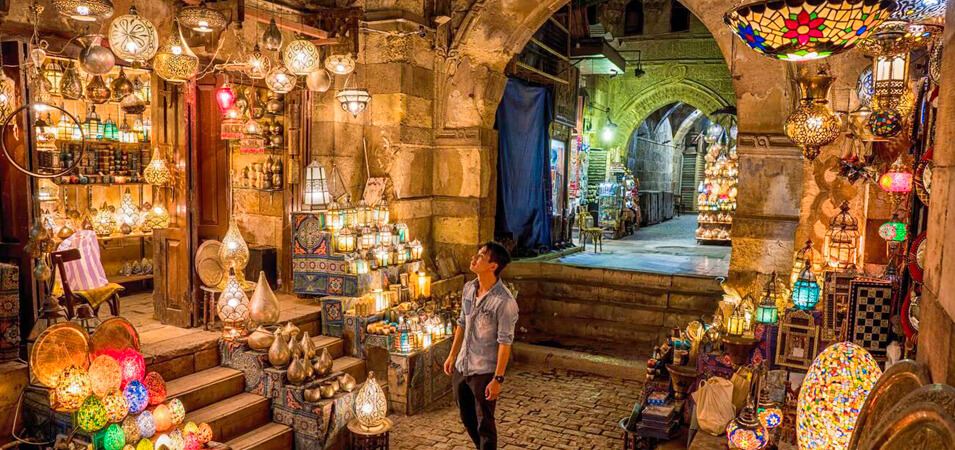
Khan El Khalili Bazaar Cairo in 2026 is one of the most iconic and historic marketplaces in Egypt, attracting travelers from all over the world. Known as the heart of Cairo’s traditional commerce, this bustling bazaar dates back to the 14th century and offers visitors a glimpse into Egypt’s vibrant history, culture, and craftsmanship.
In this comprehensive 2026 guide, you will discover everything you need to know about khan el khalili bazaar cairo egypt, including its history, layout, shopping tips, what to buy, opening hours, and insider recommendations. Whether you are a first-time visitor or a returning traveler, this guide ensures you explore the cairo bazaar khan el khalili in depth, making your visit unforgettable.
From exploring ancient alleyways to discovering traditional Egyptian handicrafts, khan el khalili bazaar egypt offers an authentic experience of Cairo’s cultural and commercial life.
Travelers will find traditional jewelry, spices, souvenirs, perfumes, and handcrafted artifacts while immersing themselves in the vibrant energy of the marketplace. This guide also provides practical tips on navigating the bazaar, understanding its layout, finding the best shops, and bargaining wisely. By the end of this article, you’ll have all the tools to plan an extraordinary visit to khan el khalili bazaar cairo in 2026.
History of Khan El Khalili Bazaar Cairo
The khan el khalili bazaar cairo egypt has a rich history that dates back to 1382 when it was established by Sultan Al-Nasir Muhammad. Originally designed as a commercial hub for traders and craftsmen, the bazaar quickly became the centerpiece of Cairo’s thriving economy during the Mamluk era. The word “Khan” refers to an inn for merchants, while “El Khalili” denotes a family or locality, reflecting the bazaar’s function as a merchant hub and cultural gathering place.
Over the centuries, khan el-khalili bazaar has survived political changes, urban developments, and modern tourism while retaining its historical charm. Visitors today can still see remnants of Mamluk architecture, old fountains, and traditional alleyways, which make the bazaar a living museum of Cairo’s commercial history. Unlike modern shopping centers, this bazaar cairo egypt khan el khalili retains an authentic atmosphere, with narrow streets lined by shops selling everything from spices to jewelry.
The historical significance of khan el khalili bazaar egypt also lies in its role as a cultural hub. Poets, artists, and travelers have long gathered here to exchange ideas, making it not only a market but also a center of Egyptian cultural life. This unique blend of commerce and culture has cemented its place as a must-visit destination in Cairo.
Layout and Structure of the Bazaar
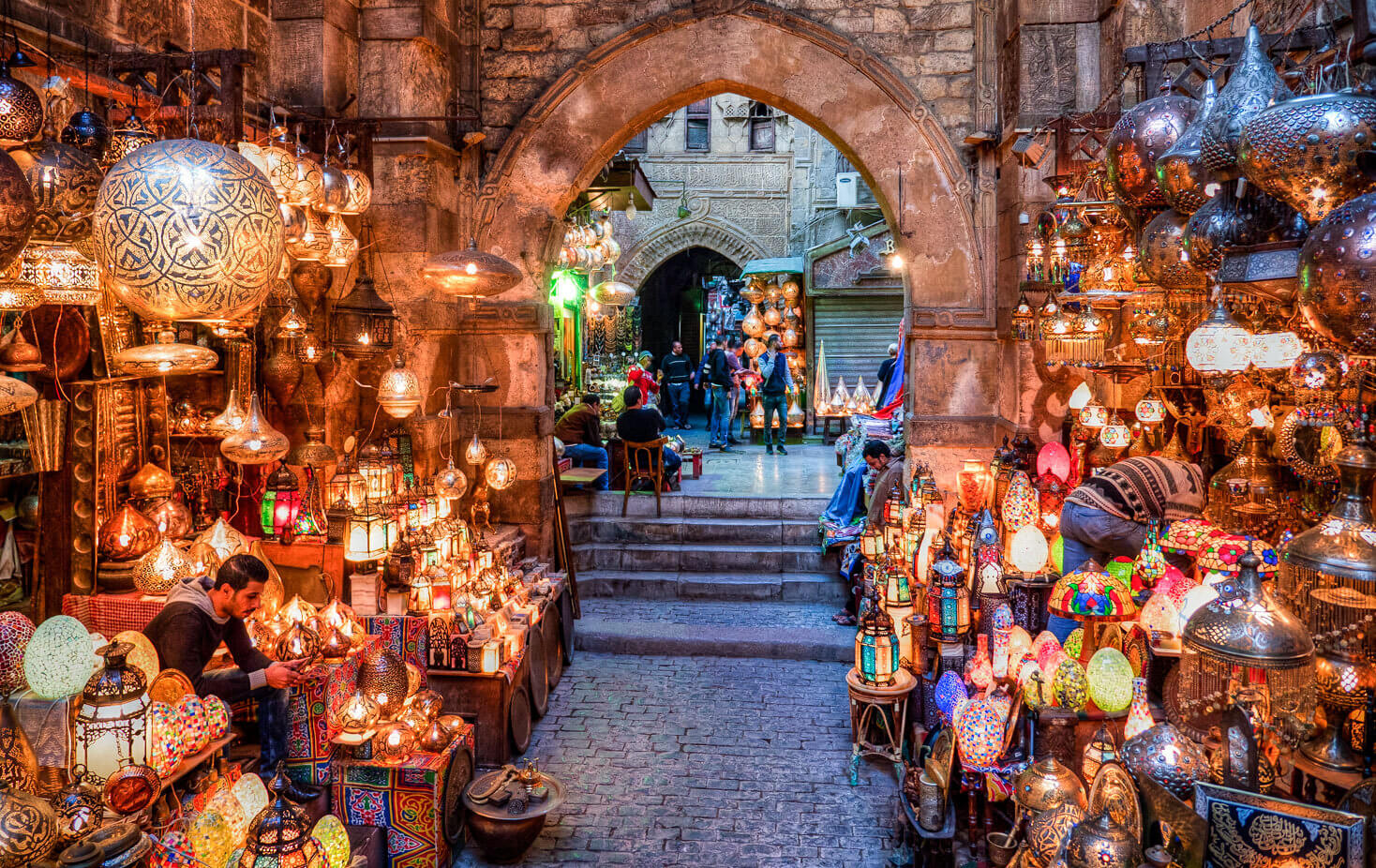
Navigating khan el khalili bazaar cairo can feel overwhelming due to its labyrinthine alleys and countless shops. However, understanding its layout enhances the visitor experience. The bazaar is divided into several sections, each specializing in different types of goods. For instance, jewelry shops line one alley, while textiles and traditional Egyptian clothing are found in another. Spices, perfumes, and souvenirs are concentrated in the central areas, providing a sensory feast for travelers.
Khan el khalili bazaar map shows that the main entrance is located near Al-Azhar Mosque, and from there, narrow passageways branch out in every direction. Some sections are covered with traditional Islamic arches, while others remain open to sunlight, adding to the visual charm of the bazaar. Major landmarks within the bazaar include the Al-Hussein Mosque, historic coffeehouses, and antique shops.
A unique feature of bazaar khan el khalili is its mix of commercial and social spaces. Traditional tea shops and restaurants allow visitors to rest, socialize, and enjoy Egyptian cuisine. For travelers, taking time to explore the smaller alleyways often leads to hidden gems, including artisan workshops, antique dealers, and specialty food stalls.
What to Buy at Khan El Khalili Bazaar
One of the most exciting aspects of visiting khan el khalili bazaar cairo egypt is shopping. The bazaar offers a wide variety of products that make excellent souvenirs or gifts. Popular items include:
- Traditional Egyptian Jewelry: Gold, silver, and semi-precious stones in intricate designs.
- Perfumes and Oils: Exotic scents made from jasmine, rose, and frankincense.
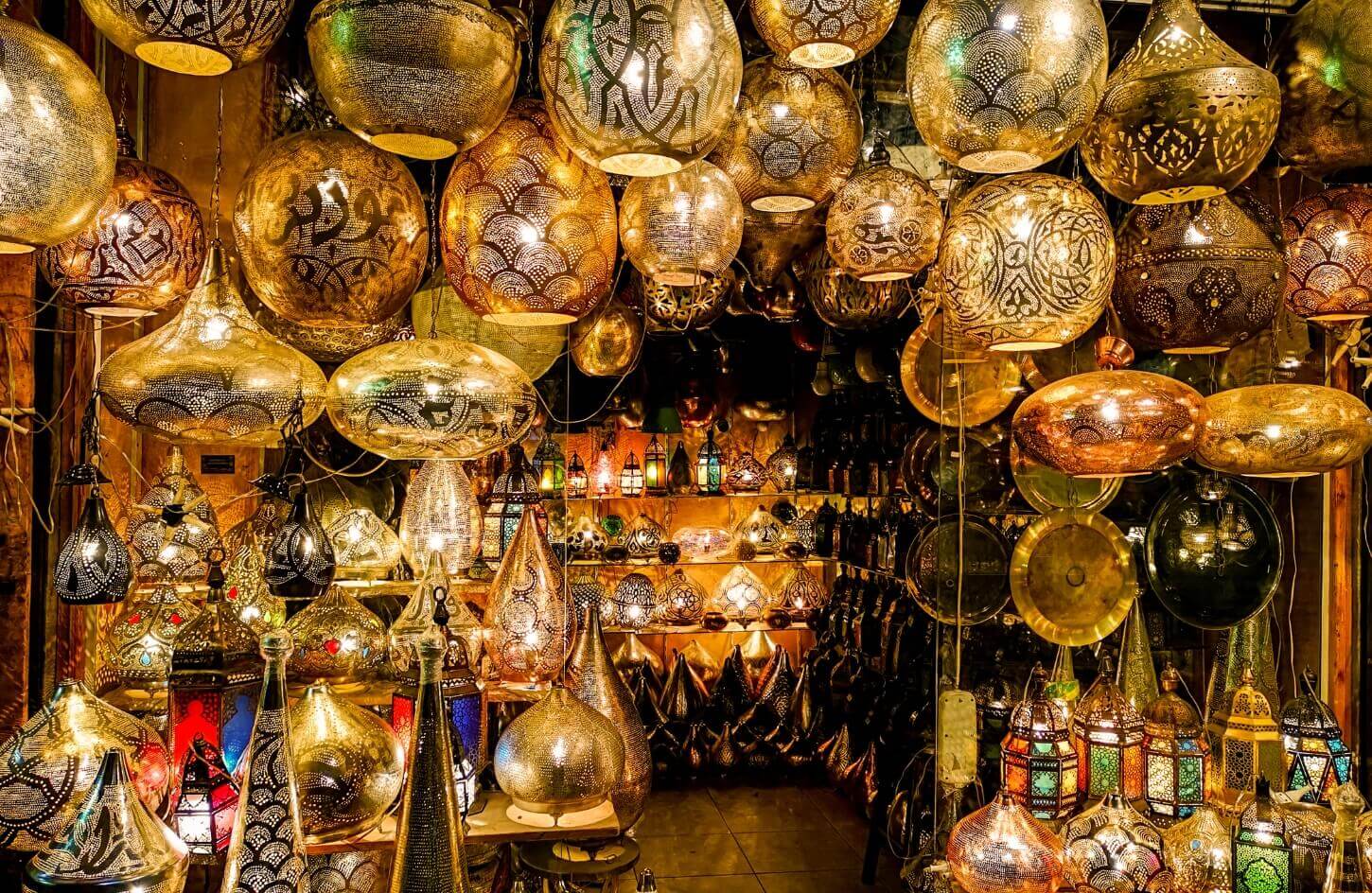
- Handicrafts: Hand-carved wood, brass, and copper items.
- Spices: Saffron, cumin, and other aromatic spices in colorful displays.
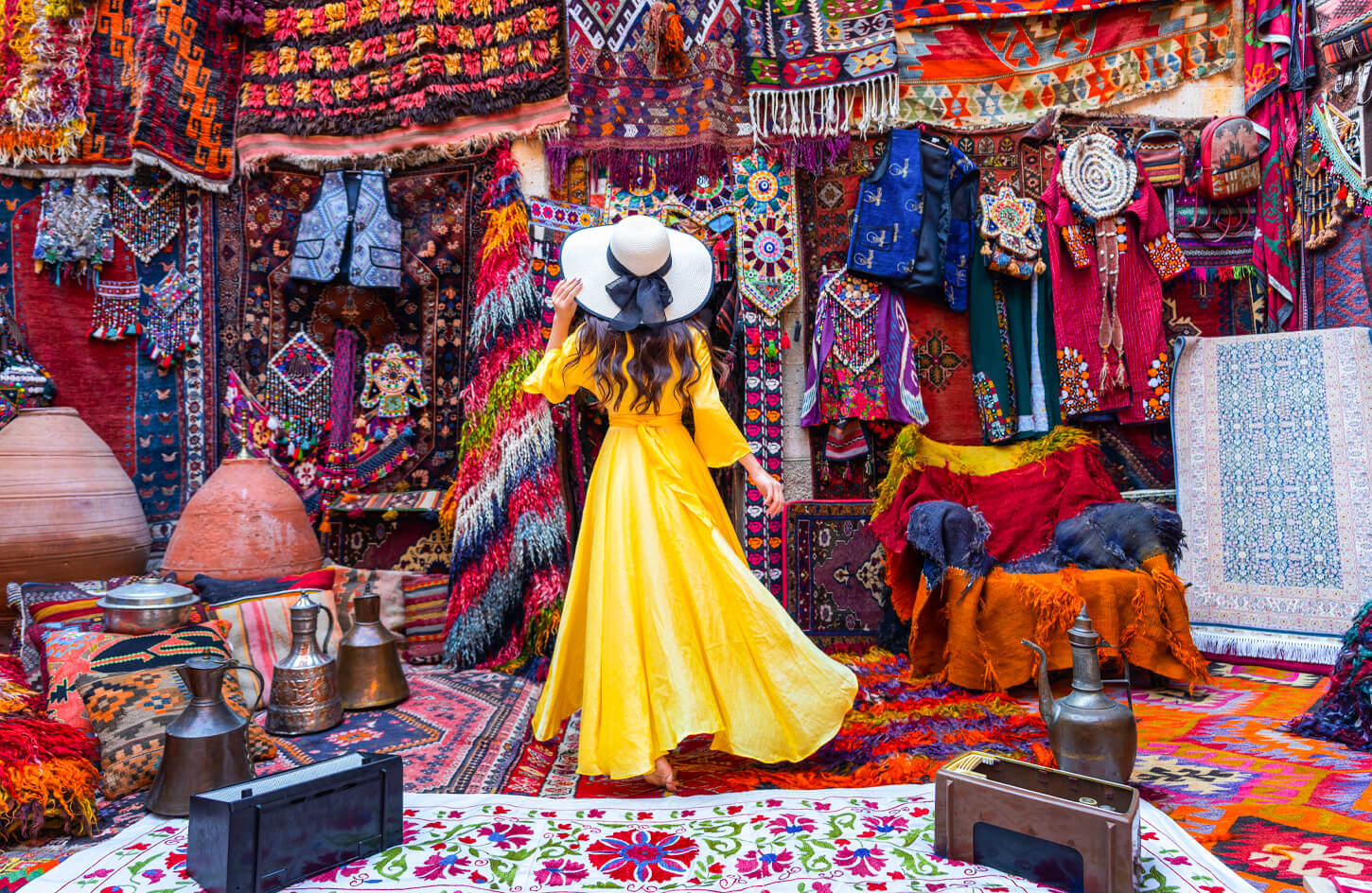
- Textiles: Egyptian cotton, scarves, and embroidered garments.
For those asking, khan el khalili bazaar what to buy is often subjective, but the key is to focus on authentic items that reflect Egyptian craftsmanship. Bargaining is expected, so practicing polite negotiation can secure better prices.
Food enthusiasts can explore traditional Egyptian sweets, nuts, and teas, which are also popular purchases. The bazaar of khan el khalili combines shopping with cultural immersion, making it a unique experience compared to modern malls. Collectors and history lovers often seek antique items, particularly in specialized shops hidden in the bazaar’s side alleys.
Practical Information: Opening Hours, Entry, and Tips
Before visiting, it’s essential to know khan el khalili bazaar hours. Most shops open around 9 AM and close by 10 PM, though some smaller stalls may have slightly different hours. For a peaceful experience, early morning visits are recommended, as the bazaar becomes crowded in the late afternoon.
The khan el khalili bazaar opening hours also coincide with local prayer times, so some shops may briefly close during the day. Entrance is free, and visitors can explore the bazaar at their own pace. Guided tours are available and highly recommended for first-time travelers to gain insight into the bazaar’s history, culture, and layout.
Tips for Visitors:
- Wear comfortable shoes due to long walking distances.
- Keep valuables secure, as the bazaar is crowded.
- Use khan el khalili bazaar map to navigate efficiently.
- Practice polite bargaining; prices are often inflated for tourists.
- Bring cash in small denominations; most small shops do not accept cards.
Following these tips ensures a comfortable, safe, and enjoyable visit to khan el khalili bazaar cairo egypt in 2026.
Dining and Cafés in Khan El Khalili
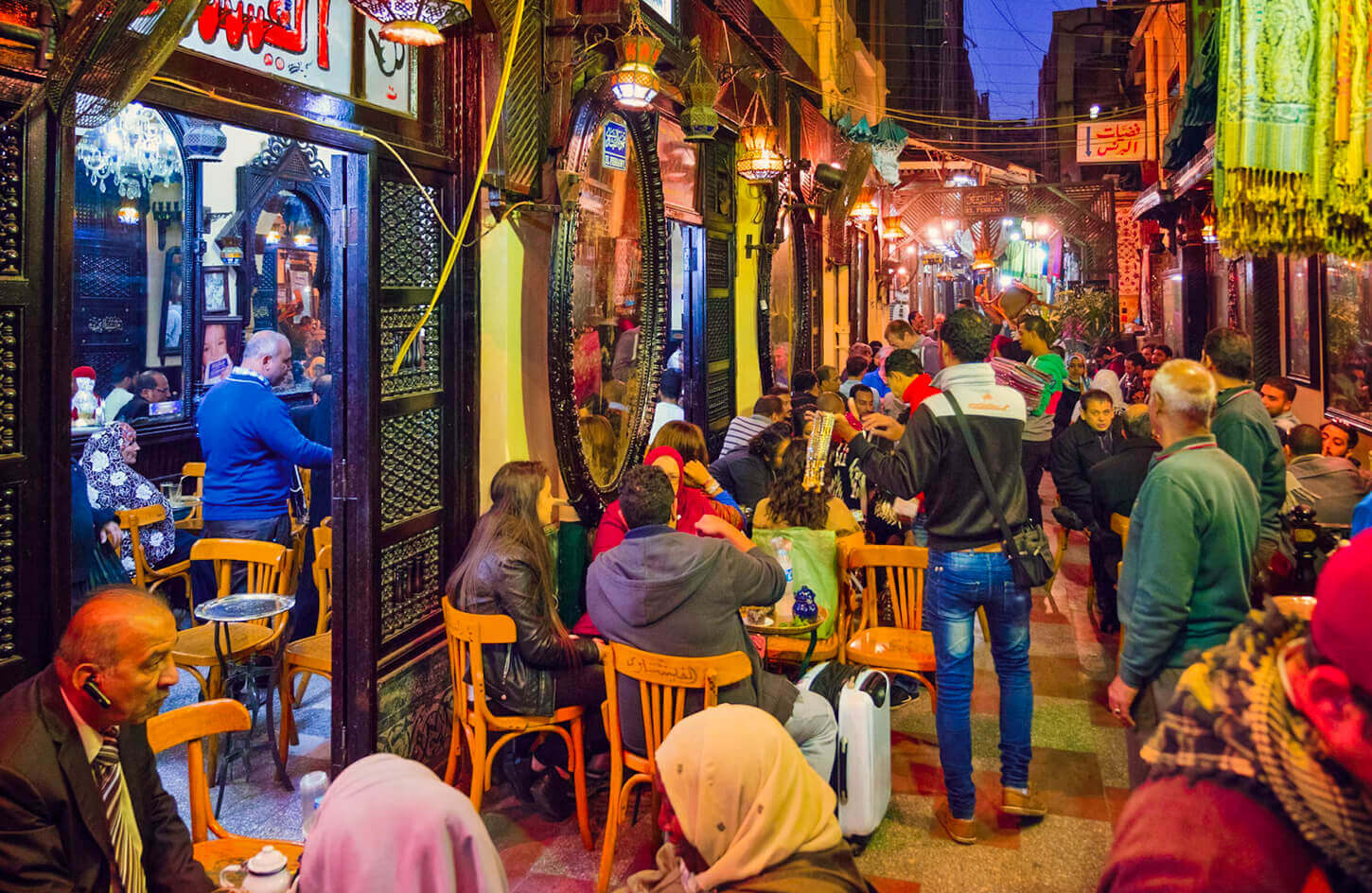
A visit to khan el khalili bazaar cairo isn’t complete without exploring its culinary offerings. Traditional Egyptian restaurants and tea houses are scattered throughout the bazaar, offering visitors an opportunity to taste authentic cuisine while enjoying the bustling atmosphere.
Popular dishes include koshari, falafel, stuffed pigeon, and traditional Egyptian sweets. Cafés often serve hibiscus tea, mint tea, or freshly brewed Arabic coffee. For travelers looking for a scenic view, some rooftop restaurants overlooking the bazaar provide an excellent vantage point to photograph the vibrant streets below.
The cairo khan el khalili bazaar is not just a shopping destination; it’s a hub for cultural and culinary experiences. Dining within the bazaar allows travelers to interact with locals, observe daily life, and experience Cairo’s rich culinary traditions firsthand.
Cultural and Historical Significance
Beyond shopping, khan el khalili bazaar egypt holds immense cultural value. It represents centuries of Egyptian commercial tradition, Mamluk architectural style, and local craftsmanship. Historic mosques, fountains, and artisan workshops are interwoven with the bazaar’s alleyways, creating a living museum.
The bazaar also serves as a social hub where locals gather to drink tea, discuss politics, or enjoy traditional music. Visitors gain insight into Egypt’s social fabric, understanding the connection between commerce, community, and culture. The bazaar khan el khalili thus offers more than souvenirs; it offers stories, traditions, and experiences that are uniquely Egyptian.
Exploring Surrounding Areas
Khan El Khalili is located in the heart of Cairo’s historic district, making it easy to combine with other iconic landmarks. Nearby attractions include Al-Azhar Mosque, the Egyptian Museum, and the historic streets of Islamic Cairo. Walking tours often link cairo bazaar khan el khalili with these sites, providing a comprehensive experience of Cairo’s rich heritage.
Travelers can also explore traditional workshops nearby, including metalworking, glassblowing, and textile production. These side trips provide additional context for the products found within the bazaar and highlight the enduring traditions of Egyptian artisans.
Conclusion
Khan El Khalili Bazaar Cairo is a must-visit destination for anyone traveling to Egypt in 2026. With its centuries-old history, vibrant atmosphere, wide array of products, and cultural significance, the bazaar offers an unparalleled glimpse into Cairo’s heritage. From shopping for authentic souvenirs to exploring hidden alleyways and enjoying local cuisine, visitors can immerse themselves in the essence of Egyptian culture.
Whether you’re interested in history, food, shopping, or photography, khan el khalili bazaar cairo egypt promises an experience that will leave you inspired and connected to the heart of Cairo. Using this guide, travelers can navigate the bazaar of khan el khalili with confidence, making their visit enjoyable, educational, and unforgettable.