How much does a trip to Egypt cost? A typical trip to Egypt in 2026 costs between $700 and $2,500 per person for a one-week trip, depending on your travel style, where you fly from, and whether you choose a budget, mid-range, or luxury package.
A two-week trip usually runs from $1,400 to $4,500 per person, while flights alone can range from $400 to $1,600 round trip depending on your home country.
In this guide, we break down exactly what you’ll spend on hotels, food, tours, transport, and entry tickets, so you can plan your 2026 Egypt trip with a clear, realistic budget and no surprises.
If you’ve been searching for the real cost of a trip to Egypt, dreaming of standing in front of the Great Pyramid, sailing the Nile on a felucca, or relaxing on the beaches of Hurghada, you’re in the right place.
We know exactly what it feels like to sit at your laptop with a dozen browser tabs open, trying to figure out whether Egypt fits your budget this year. That’s exactly why this article exists: to answer every question you have, in plain numbers, with no vague guesses. We’ve organized this guide by traveler origin (USA, India, UK, Europe), by trip length (1 week, 10 days, 2 weeks), and by travel style (budget, mid-range, luxury), and we’ve added real 2026 pricing tables so you can compare at a glance.
Whether you’re planning your first vacation to Egypt or you’re a seasoned traveler comparing Egypt to Turkey or other Mediterranean destinations, you’ll find the honest, detailed cost breakdown you need right here — plus a few insider tips travel agencies rarely share.

Quick Answer: Average Cost of a Trip to Egypt in 2026
Let’s get straight to the numbers, because we know that’s what you came here for. The average cost of a trip to Egypt in 2026 depends heavily on three things: your travel style, your trip length, and your point of departure.
On average, most international travelers spend somewhere between $100 and $250 per day once they land in Egypt, not including international flights.
That figure covers accommodation, meals, local transport, guided tours, and entrance fees to major sites like the Pyramids of Giza, Karnak Temple, and the Valley of the Kings.
Here is a simple overview table to give you an instant sense of what a trip to Egypt costs at each travel level:
| Travel Style | Daily Cost (per person, in Egypt) | 7-Day Trip Total | 10-Day Trip Total | 14-Day Trip Total |
|---|---|---|---|---|
| Budget / Backpacker | $30 – $50 | $700 – $950 | $1,000 – $1,350 | $1,400 – $1,900 |
| Mid-Range / Standard | $70 – $120 | $1,100 – $1,700 | $1,500 – $2,300 | $2,100 – $3,200 |
| Luxury / All-Inclusive | $200 – $350+ | $2,000 – $3,000+ | $2,800 – $4,200+ | $3,900 – $5,800+ |
These figures cover everything you’ll spend once you land: hotels or Nile cruise cabins, three meals a day, private or shared transportation, a licensed Egyptologist guide where relevant, and entry tickets to the sites on your itinerary.
International flights are calculated separately below, since the cost of a flight to Egypt varies enormously depending on where you’re flying from.
What makes Egypt such a smart choice for 2026 is that even a mid-range trip gives you an experience that would cost two or three times as much in destinations like Italy, Greece, or the Maldives. A felucca ride at sunset, a private Egyptologist walking you through 3,000-year-old temples, and fresh seafood on the Red Sea coast are all within reach of a realistic, middle-of-the-road budget.
Later in this article, we’ll show you exactly how to stretch every dollar, euro, or rupee further with our own agency’s insider recommendations, built from years of designing trips across Cairo, Luxor, Aswan, Hurghada, and Sharm El Sheikh. If you’d rather skip the spreadsheet altogether, our team at Egypt All Inclusive can build a custom, all-in quote for your exact dates and preferences in under 24 hours.
Cost of a Trip to Egypt from the USA
If you’re planning a trip to Egypt from the USA in 2026, your total cost will be shaped mainly by two things: the price of your round-trip flight and the length of your stay. Flights from major US cities such as New York, Los Angeles, Chicago, and Washington D.C. to Cairo typically range from $750 to $1,600 round trip in economy class, depending on the season, the airline, and how far in advance you book. Booking three to five months ahead, and traveling in the shoulder seasons of March–April or October–November, generally gets you the best fares.
Once you add flights to your on-the-ground expenses, here’s a realistic picture of what a trip to Egypt from the USA costs in 2026:
- Budget trip (7 days): Flight ($900) + on-ground costs ($750) = roughly $1,650 per person
- Mid-range trip (7 days): Flight ($1,100) + on-ground costs ($1,300) = roughly $2,400 per person
- Luxury trip (7 days): Flight ($1,500) + on-ground costs ($2,500) = roughly $4,000 per person
For a 10-day or two-week trip to Egypt from the USA, simply add the extra daily cost from the table above to your flight cost, since the flight price stays roughly the same whether you stay 7 days or 14 days. This is actually one of the smartest reasons to extend your trip: your biggest fixed cost, the international flight, is already paid for, so adding a few extra days in Luxor or Hurghada often costs far less per day than the first week.
American travelers should also budget for a visa. Egypt offers a visa on arrival for US citizens at around $25, or an e-visa that can be arranged online in advance for a similar price, which is faster and reduces queue time at Cairo International Airport.
We always recommend the e-visa route for US travelers connecting onward to a tour, since it saves valuable time on arrival day.
One thing many American travelers don’t realize: domestic flights inside Egypt (for example, Cairo to Luxor or Cairo to Aswan) are surprisingly affordable, usually between $60 and $120 one-way, which makes a multi-city itinerary far more accessible than in the US or Europe.
If your itinerary includes both the Nile Valley and a Red Sea resort, a short domestic flight is almost always more time-efficient than an overnight train, and the price difference is often small enough not to matter.
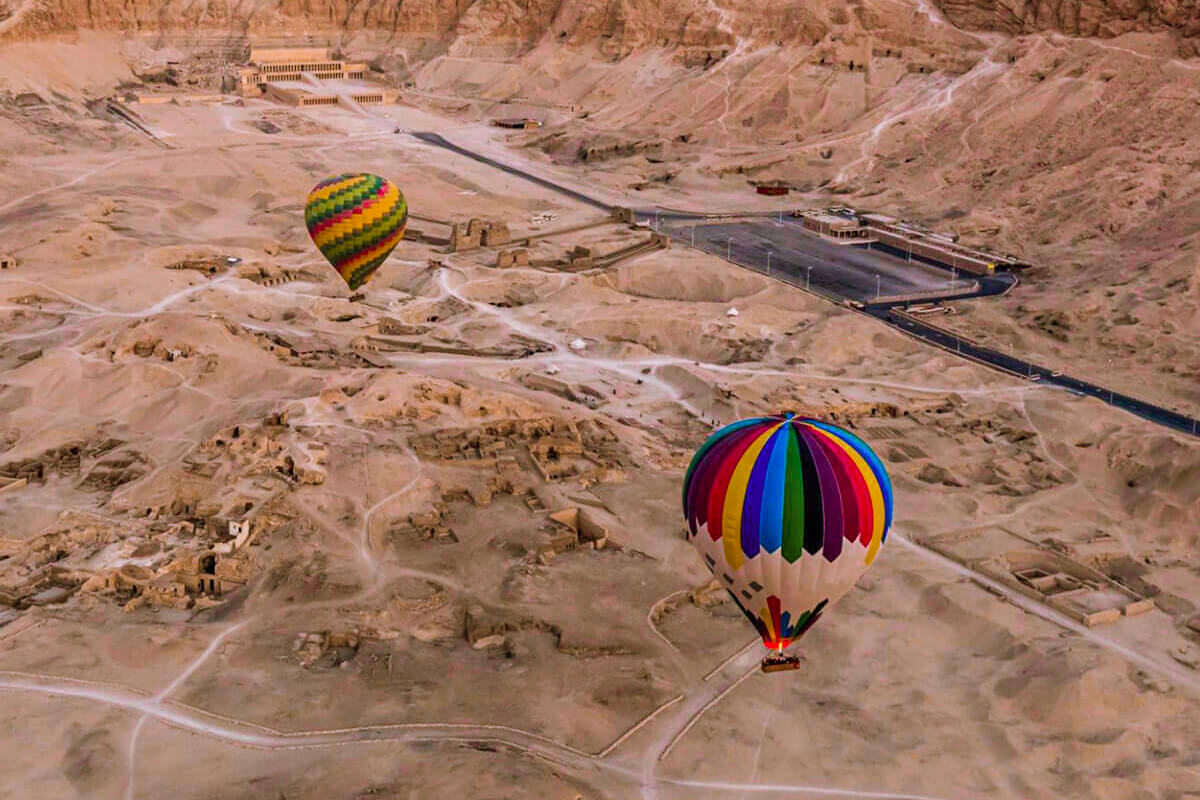
Currency-wise, the US dollar remains strong against the Egyptian pound in 2026, giving American travelers excellent purchasing power for meals, souvenirs, and optional extras like hot air balloon rides in Luxor or spa treatments in Hurghada.
As a rule of thumb, we tell our American clients to bring or budget an extra $200–$300 in discretionary spending money for tips, market shopping, and spontaneous activities that aren’t included in a standard package — because Egypt has a way of surprising you with unforgettable, unplanned moments.
Cost of a Trip to Egypt from India
For travelers asking about an Egypt trip cost from India, the good news is that Egypt is considerably more affordable to reach from India than from the USA or the UK, and the on-ground costs remain the same regardless of where you’re flying from.
An Egypt tour cost from India typically starts with a round-trip flight between Delhi or Mumbai and Cairo, priced between $450 and $850, depending on the season and whether you fly direct or with one stopover through hubs like Dubai, Doha, or Istanbul.
Combining flights with on-ground expenses, here is what a trip to Egypt from India costs in 2026:
| Trip Type | Flight (Round Trip) | On-Ground Cost (7 Days) | Total Estimated Cost |
|---|---|---|---|
| Budget | $450 – $550 | $700 – $950 | $1,150 – $1,500 |
| Mid-Range | $550 – $700 | $1,100 – $1,700 | $1,650 – $2,400 |
| Luxury | $700 – $850 | $2,000 – $3,000 | $2,700 – $3,850 |
This makes an Egypt trip from India cost noticeably less than similar international trips to Europe or the US from the same departure cities, while still offering a bucket-list experience with pyramids, ancient temples, and Red Sea diving.
Indian travelers need a visa to enter Egypt, which is available as an e-visa applied for online, usually approved within a few business days, and priced around $25.
We strongly advise applying for the e-visa at least two weeks before departure to avoid any last-minute stress, especially during Egypt’s busier travel months of October through February when processing can slow down slightly due to higher demand.
Group travel is also an excellent cost-saving strategy for Indian travelers. Because many Egypt tour packages from India price on a per-person, twin-sharing basis, traveling with a partner, family member, or friend can lower your accommodation cost per person by 20–30% compared to solo travel, since hotel rooms and Nile cruise cabins are priced per room rather than per person.
Food costs in Egypt are also very manageable for travelers used to Indian price points. A simple local meal costs $2–5, and even a nice sit-down dinner rarely exceeds $15–20 per person, so daily food spending stays comfortable even on a modest budget.
Vegetarian travelers will also be pleasantly surprised: Egyptian Food has many naturally vegetarian dishes such as koshari, ful medames, falafel, and a wide variety of fresh salads and grilled vegetables, making it one of the easier destinations in the Middle East and North Africa region for vegetarian diners.
For families or groups from India planning a longer trip, combining a Cairo and Nile Valley itinerary with a few relaxed days in Hurghada or Sharm El Sheikh is one of the best ways to balance culture, history, and beach time, all while keeping the total Egypt trip cost from India well within a reasonable and predictable range.
Cost of a Trip to Egypt from the UK and Europe
Travelers from the United Kingdom and mainland Europe often ask how the cost of a trip to Egypt compares to their own region, and the answer is genuinely encouraging. Flight time from London, Paris, Berlin, or Rome to Cairo is short, usually between 4 and 6 hours, and round-trip economy fares typically range from $350 to $650, making Egypt one of the most accessible long-haul-feeling destinations available on a short-haul budget.
Combining flights with on-ground expenses gives European travelers one of the best value equations in this entire guide:
- Budget trip (7 days): Flight ($400) + on-ground costs ($750) = roughly $1,150 per person
- Mid-range trip (7 days): Flight ($500) + on-ground costs ($1,300) = roughly $1,800 per person
- Luxury trip (7 days): Flight ($650) + on-ground costs ($2,500) = roughly $3,150 per person
UK and European travelers benefit from a favorable exchange rate against the Egyptian pound, similar to US travelers, which means meals, tips, and optional excursions all stretch comfortably. Many UK-based travelers also take advantage of package charter flights directly into Hurghada or Sharm El Sheikh, which are common during the winter months and can bring the flight cost down even further, sometimes to $250–400 round trip, particularly when booked as part of an all-inclusive resort package.
A visa is required for UK and most European nationalities, available as an e-visa online or a visa on arrival at Cairo, Hurghada, or Sharm El Sheikh airports, priced at approximately $25 and usually processed within minutes at the airport counter. We recommend the e-visa route in advance during busy periods to avoid queues, particularly for flights arriving late at night when airport counters are at their busiest.
One advantage European travelers have that’s worth mentioning: direct charter flights to Red Sea resort towns mean it’s entirely possible to build an affordable, relaxing beach-only Egypt trip without ever needing to add a domestic flight or long transfer, which keeps logistics simple for travelers who want beach time above all else. For those who want the full historical experience as well, connecting a few days in Cairo or a Nile cruise onto a Red Sea stay is straightforward, with short domestic flights linking the two regions in under an hour and a half.
Overall, European proximity to Egypt, combined with historically strong currencies against the Egyptian pound, makes this one of the most cost-efficient long weekend or week-long international trips available from the UK and mainland Europe in 2026, rivaling or beating popular short-haul beach destinations around the Mediterranean.
Egypt Currency, Exchange Rates, and Money Matters
Understanding Egypt’s currency before you travel is one of the smartest things you can do to control your trip costs. The official currency of Egypt is the Egyptian Pound, abbreviated as EGP or written locally as ج.م. As of 2026, exchange rates have shifted significantly compared to a few years ago, so it’s worth checking current rates just before your trip rather than relying on outdated numbers.
Here is a general snapshot of approximate exchange rates travelers can expect in 2026 (these fluctuate daily, so always confirm the live rate before exchanging money):
| Currency | Approximate Value in EGP (2026) |
|---|---|
| 1 US Dollar (USD) | ~49–50 EGP |
| 1 Euro (EUR) | ~52–54 EGP |
| 1 British Pound (GBP) | ~61–63 EGP |
| 1 Indian Rupee (INR) | ~0.58–0.60 EGP |
Because the Egyptian pound has weakened against major currencies in recent years, this actually works in favor of international travelers, since your USD, EUR, or GBP now stretches noticeably further than it did in the past. Many things priced in local currency, from taxi rides to market souvenirs, remain very affordable when converted back to dollars or euros.
We recommend exchanging a small amount of cash at the airport upon arrival for immediate expenses like tips and taxis, then using ATMs in cities for the bulk of your cash needs, since ATM rates are usually close to the official bank rate. Major hotels, restaurants, and tour operators in Cairo, Luxor, Hurghada, and Sharm El Sheikh accept US dollars and euros directly for larger payments, though you’ll get better value paying in Egyptian pounds for small daily purchases like coffee, street food, or a felucca ride.
Credit cards are widely accepted at hotels, Nile cruise ships, and larger restaurants, but smaller shops, local eateries, and tuk-tuks operate on cash only, so keeping some Egyptian pounds on hand at all times is essential. A useful travel habit is to carry small denomination notes for tipping, which is customary in Egypt for guides, drivers, and hotel staff.
If you’re wondering how much money to bring for a week or two in Egypt, we cover exact daily spending money recommendations in the next section, but as a starting point, budgeting an additional $15–25 per day in cash on top of your pre-paid tour package covers tips, drinks, snacks, and small souvenirs comfortably, without leaving you short at the market or feeling like you need to constantly find an ATM.

How Much Money Should You Bring for a Week or Two in Egypt?
This is one of the most common questions we hear from travelers preparing for Egypt, and the honest answer depends on how much of your trip is already prepaid through a tour package versus how much you’re covering out of pocket day to day. If your accommodation, most meals, and major tours are already included in your booking, you mainly need spending money for tips, drinks, snacks, souvenirs, and optional extras.
For a one-week trip to Egypt, we recommend bringing or budgeting the following in spending money, separate from your prepaid package:
- Budget traveler: $100–150 total for the week
- Mid-range traveler: $200–300 total for the week
- Traveler who wants extras (spa, shopping, optional excursions): $400–600 total for the week
For a two-week trip to Egypt, simply roughly double these numbers, though many travelers find their spending naturally slows down in the second week as they settle into a rhythm and become more comfortable estimating fair prices at markets and with vendors.
If your trip is entirely self-organized rather than through a prepaid package, meaning you’re covering hotels, food, and transport as you go, your daily spending money needs to be significantly higher, closer to the full daily cost figures in our overview table earlier in this article ($30–50/day budget, $70–120/day mid-range, $200+/day luxury).
A frequently overlooked expense is tipping, locally known as “baksheesh,” which is deeply embedded in Egyptian hospitality culture. Tour guides typically receive $5–10 per day from each traveler, drivers around $3–5 per day, and hotel staff or felucca captains a smaller amount per service. While tipping is optional, it’s genuinely expected and appreciated, and building it into your spending money plan from the start avoids any awkward moments during your trip.
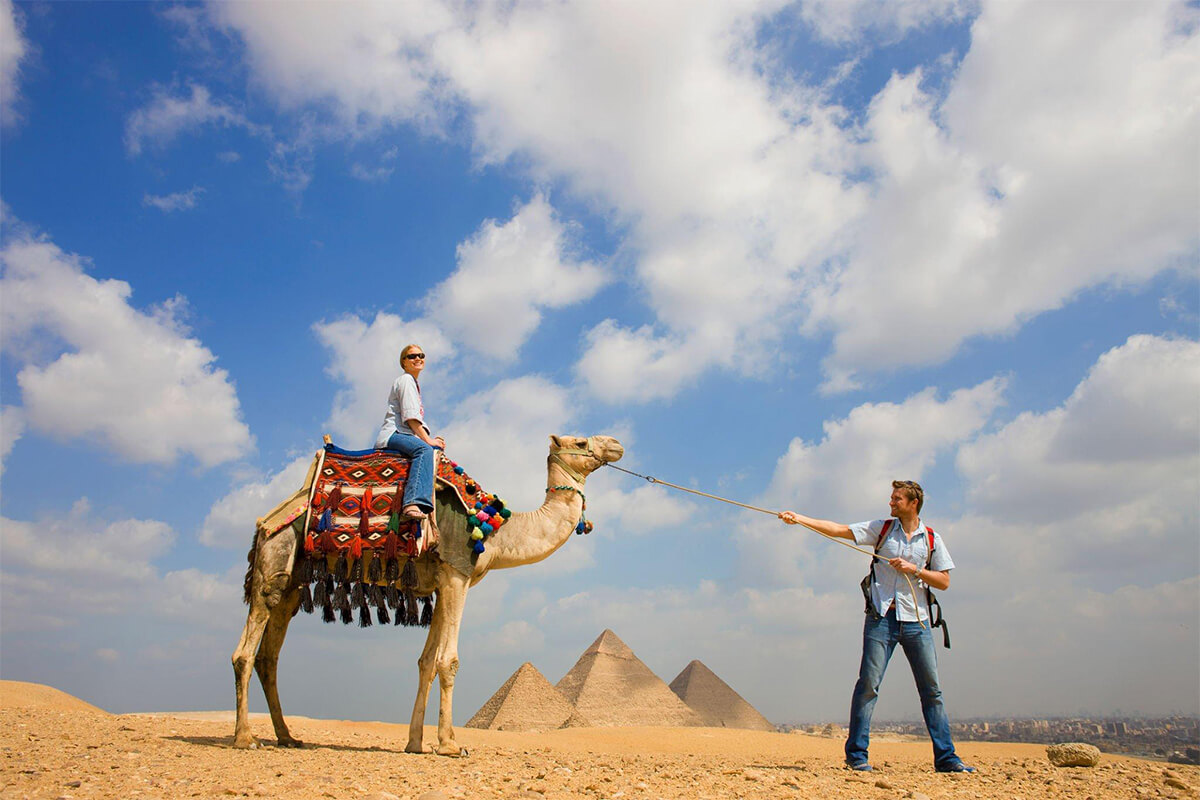
Another practical tip: bring a mix of small USD or EUR bills alongside Egyptian pounds. Many optional experiences, such as hot air balloon rides in Luxor, camel rides at the Pyramids, or entrance to the Great Pyramid’s interior chambers, are priced in USD and often paid in cash directly at the site rather than included in package pricing, so having both currencies on hand keeps your trip running smoothly without unnecessary bank runs.
Finally, always carry a small emergency cash reserve, ideally $100–150 equivalent, kept separately from your main spending money, for unexpected situations like a taxi fare adjustment, a missed connection, or simply an item you didn’t plan to buy but couldn’t resist at a Luxor or Aswan bazaar.
Daily Travel Budget Breakdown in Egypt
Breaking your Egypt travel budget down by category, rather than just a single daily number, helps you understand exactly where your money goes and where you have room to adjust based on your own priorities. Below is a detailed daily breakdown across the three main travel styles.
| Expense Category | Budget Traveler | Mid-Range Traveler | Luxury Traveler |
|---|---|---|---|
| Accommodation | $10 – $20/night | $40 – $80/night | $150 – $300+/night |
| Meals (3 per day) | $8 – $15/day | $20 – $35/day | $50 – $100/day |
| Local Transport | $3 – $8/day | $15 – $30/day | $50 – $80/day (private car) |
| Guided Tours & Entry Fees | $10 – $15/day | $20 – $40/day | $60 – $100/day |
| Extras (drinks, souvenirs, tips) | $5 – $10/day | $10 – $20/day | $25 – $50/day |
| Total Daily Estimate | $30 – $50 | $70 – $120 | $200 – $350+ |
Accommodation is usually the single biggest variable in your Egypt travel expenses. A clean, well-reviewed budget hotel or hostel in Cairo, Luxor, or Aswan can be found for $10–20 a night, while comfortable three- and four-star hotels sit in the $40–80 range.
If a Nile cruise is part of your itinerary, cabin prices vary widely based on the ship’s category, typically from $60 to $150 per person per night, including meals onboard, which actually makes cruising a very efficient way to combine accommodation, food, and multi-city transport into a single, predictable cost.
Local transport within Egyptian cities is inexpensive by international standards. Uber and Careem operate reliably in Cairo, Alexandria, and several other cities, with typical short rides costing just $2–5. For traveling between major destinations like Cairo, Luxor, Aswan, and the Red Sea coast, options range from budget-friendly overnight trains and buses to short domestic flights, which we discussed earlier as an excellent time-saver at a reasonable price point.
Guided tours are where Egypt truly earns its reputation as a top-value destination. A licensed Egyptologist guide, essential for truly understanding sites like the Pyramids of Giza, Karnak Temple, and the Valley of the Kings, typically costs $30–60 per day when hired privately, or is bundled into group tour pricing at a fraction of that per-person cost. Entry tickets to major sites range from $8–10 for standard access up to $15–20 for special areas like the interior of the Great Pyramid or specific tombs in the Valley of the Kings that require a separate ticket.
The takeaway here is simple: your daily Egypt travel cost is highly controllable. Choosing mid-range accommodation, joining small-group tours instead of fully private ones, and being selective about which “extra” ticketed sites you visit can shift your entire trip from the higher end of a budget to a comfortable mid-range experience, without sacrificing the highlights that make Egypt worth visiting in the first place.
How Much Does Food Cost in Egypt?
Food is one of the most pleasant surprises for travelers visiting Egypt, since meal prices remain low compared to Europe, the US, and even many parts of Asia, while the food itself is flavorful, fresh, and deeply tied to thousands of years of culinary tradition.
Understanding food costs in Egypt helps you budget accurately and also helps you decide how much of your trip you want to spend on street food adventures versus sit-down restaurant experiences.
Here’s a realistic breakdown of average meal costs in Egypt in 2026:
| Meal Type | Approximate Cost (USD) | Approximate Cost (EGP) |
|---|---|---|
| Street food meal (koshari, falafel, shawarma) | $1.50 – $4 | 75 – 200 EGP |
| Casual local restaurant meal | $5 – $10 | 250 – 500 EGP |
| Mid-range restaurant meal | $10 – $18 | 500 – 900 EGP |
| Fine dining / hotel restaurant | $25 – $50+ | 1,250 – 2,500+ EGP |
| Bottled water (1.5L) | $0.30 – $0.60 | 15 – 30 EGP |
| Local beer or soft drink | $2 – $4 | 100 – 200 EGP |
| Coffee or tea at a café | $1.50 – $3 | 75 – 150 EGP |
For most travelers, a full day of eating well, including breakfast, lunch, dinner, and a couple of drinks or snacks, costs between $15 and $30 per person if you mix street food and casual restaurants, or $40–60 per person if you prefer mid-range restaurants and hotel dining throughout your trip.
Koshari, Egypt’s beloved national dish made of rice, lentils, pasta, and a tangy tomato sauce, is a must-try and typically costs just $1.50–3 for a generous portion. Fresh juices, grilled meats, and Egyptian bread (aish baladi) are also widely available at extremely reasonable prices, and we always encourage our travelers to step slightly outside hotel dining to experience authentic local flavors, both for the taste and for the savings.
If your trip includes a Nile cruise or an all-inclusive resort stay in Hurghada or Sharm El Sheikh, most or all meals are typically bundled into your package price, which significantly simplifies budgeting and often represents excellent value, since you’re getting three meals a day, snacks, and often drinks included for a fixed nightly rate.
One practical tip from our team: always carry small Egyptian pound notes for street food and local cafés, since these vendors rarely accept cards or large bills, and having exact change speeds up transactions and avoids any confusion. Also, don’t hesitate to ask your guide or hotel staff for restaurant recommendations away from the main tourist strips; the best and most affordable meals in Cairo, Luxor, and Aswan are often found just a few streets back from the main attractions, where prices are lower and the food is arguably even better.
Cost of Living in Egypt: What It Means for Travelers
Understanding Egypt’s general cost of living helps explain why a trip to Egypt remains so affordable compared to other international destinations, even as global travel prices have risen elsewhere. Egypt consistently ranks as one of the more affordable countries in the world for day-to-day living expenses, and this directly translates into lower prices for the goods and services travelers rely on most: hotels, restaurants, transport, and guided experiences.
A local resident in Cairo might spend $300–500 a month on rent for a comfortable apartment outside the city center, while a simple local lunch costs a resident the equivalent of just $2–3. These low local price points are exactly why international travelers find their money going so much further in Egypt than in destinations like Western Europe, the US, or even some neighboring Middle Eastern countries.
For travelers, this local cost structure shows up most noticeably in three areas: dining out, local transport, and shopping. A dinner that might cost $40–50 per person in a major European or American city often costs $10–18 for an equally satisfying meal at a good Egyptian restaurant. A short taxi or rideshare journey that might cost $15–20 in a Western capital typically costs just $2–5 in Cairo or Luxor. And handmade souvenirs, spices, textiles, and jewelry at markets like Khan El Khalili are priced at a fraction of what similar quality items would cost back home, especially once you factor in friendly, expected bargaining.
It’s worth noting that prices do vary meaningfully between tourist zones and local neighborhoods. Restaurants and shops directly around major attractions like the Pyramids or Luxor Temple naturally charge somewhat higher prices than local establishments just a short walk or drive away, a pattern common to popular destinations worldwide. Part of the value we bring as a local agency is knowing exactly where those better-value, still-excellent options are, so our travelers get the best of both worlds: convenient access to major sites and genuinely fair local pricing for food, transport, and extras.
This favorable cost of living also means tipping, while modest by absolute dollar amounts, makes a meaningful difference in the daily income of guides, drivers, and hospitality staff, which is part of why we always encourage travelers to build fair tipping into their Egypt travel budget from the start, as covered earlier in this guide. A well-planned trip that respects local pricing realities not only saves you money, it also ensures your spending genuinely supports the local communities and small businesses that make an Egypt trip so memorable.
Trip to Cairo and the Pyramids: What It Really Costs
Cairo is the starting point for most Egypt itineraries, and it’s here that most travelers first ask, “how much is a trip to Egypt to see the Pyramids?” The good news is that visiting the Pyramids of Giza and the surrounding attractions is genuinely affordable, even though the experience feels priceless.
Here’s a cost breakdown for a typical day exploring Cairo and the Pyramids:
- Entry ticket to the Pyramids of Giza complex: approximately $8–10 per person
- Additional ticket to enter inside the Great Pyramid: approximately $14–20 per person
- Sphinx viewing area: included in the general Giza complex ticket
- Solar Boat Museum (optional): approximately $8–10 per person
- Camel or horse ride around the pyramids: approximately $15–30, depending on duration (always agree on price beforehand)
- Licensed Egyptologist guide for the day: approximately $40–70 for a private guide, or included in group tour pricing
- Private transport to and from your Cairo hotel: approximately $15–30 for the day
Combined, a well-organized private day trip to the Pyramids, including guide, transport, and entry tickets, typically costs between $70 and $130 per person, while joining a small-group tour can bring this down to $35–60 per person, since guide and transport costs are shared among the group.
Beyond the Pyramids, a full Cairo city trip usually also includes the Egyptian Museum (or the newer Grand Egyptian Museum), Islamic Cairo’s historic mosques and markets, and the Khan El Khalili bazaar. Museum entry generally runs $10–15, and a few hours wandering Khan El Khalili costs nothing beyond whatever souvenirs catch your eye, though we always recommend budgeting $20–40 here if you enjoy shopping for spices, textiles, and handmade crafts, since bargaining is expected and part of the experience.
A felucca ride, the traditional wooden sailboat, is available both in Cairo on the Nile and further south in Aswan, and is one of the most beautiful, low-cost experiences in the entire country. A felucca ride in Cairo typically costs $10–20 per hour for a private boat, split among your group, making it one of the best value activities on any Egypt itinerary, especially at sunset when the Nile turns gold and the city skyline lights up around you.
Altogether, a well-rounded 2–3 day Cairo and Pyramids trip, including accommodation, meals, transport, guided tours, and entry fees, typically costs between $250 and $500 per person on a mid-range budget, making it one of the most rewarding short trips available anywhere in the world for the price.
Cost of a Nile Cruise and the Felucca Experience
No conversation about Egypt travel costs is complete without discussing the Nile itself, since sailing between Luxor and Aswan is consistently rated by travelers as the highlight of their entire trip. There are two very different ways to experience the Nile: a multi-day Nile cruise ship, and the more traditional, budget-friendly felucca sailboat.
A standard Nile cruise typically runs 3 to 5 nights between Luxor and Aswan (or the reverse route), stopping at incredible sites like the Temple of Karnak, the Valley of the Kings, Edfu Temple, and Kom Ombo Temple along the way. Pricing per person, per night, based on double occupancy, generally falls into these ranges:
- Standard 4-star Nile cruise: $60–90 per person, per night, all meals included
- Deluxe 5-star Nile cruise: $100–160 per person, per night, all meals included
- Luxury boutique Nile cruise: $200–350+ per person, per night, all meals and some excursions included
A 4-night Nile cruise on a comfortable standard ship, therefore, typically costs $240–360 per person, while a 4-night deluxe cruise runs $400–650 per person, both including full board and cabin accommodation, which makes cruising a remarkably efficient way to see multiple ancient sites without the added cost and hassle of separate hotels and transport each night.
The felucca, by contrast, is the far more budget-conscious and arguably more authentic way to feel the Nile. Traditional feluccas are commonly used for shorter sailing trips, either a relaxing hour or two around Aswan’s islands, or as an overnight adventure sleeping on deck under the stars between Aswan and Luxor for adventurous backpackers. A felucca ride generally costs $10–20 per hour for a private boat split among your group, while a full overnight felucca journey (typically one to two nights) costs approximately $25–40 per person per night, including a simple onboard dinner and breakfast, though you should always confirm exactly what’s included before booking.
Our recommendation, based on years of arranging Nile experiences for travelers of every budget, is this: if you have the time and want maximum comfort along with excellent value, a 4-night standard Nile cruise is the sweet spot for most travelers. If you’re a more adventurous, budget-conscious traveler who doesn’t mind a simpler setup, an overnight or two-night felucca trip between Aswan and Luxor offers a genuinely magical, low-cost alternative that many travelers describe as one of the most memorable nights of their entire trip.
Either way, factor your Nile experience into your total Egypt trip cost as one of the best value-for-money components of your entire itinerary, since it combines accommodation, multiple ancient sites, meals, and transport into a single, beautifully simple package.
Hurghada and Sharm El Sheikh: Red Sea Vacation Costs
After the history-rich itinerary of Cairo, Luxor, and Aswan, many travelers extend their vacation to Egypt cost with a few days on the Red Sea coast in Hurghada or Sharm El Sheikh, both of which offer some of the best diving, snorkeling, and all-inclusive resort value anywhere in the world.
Hurghada, in particular, is well known for low cost holidays to Egypt all-inclusive, with resort pricing that consistently beats comparable beach destinations in Southern Europe or the Caribbean. Here’s what to expect in 2026:
| Resort Category | Price Per Night (All-Inclusive, Double Room) |
|---|---|
| Budget 3-star all-inclusive | $35 – $55 |
| Mid-range 4-star all-inclusive | $60 – $100 |
| Luxury 5-star all-inclusive | $120 – $250+ |
An all-inclusive Hurghada package typically covers your room, three meals a day, snacks, local alcoholic and non-alcoholic drinks, and access to the resort’s pools and private beach, meaning your only additional costs are optional excursions like snorkeling trips, scuba diving certification courses, desert safaris, or spa treatments.
Sharm El Sheikh, located on the southern tip of the Sinai Peninsula, offers similarly excellent all-inclusive pricing, generally 10–20% higher than Hurghada due to its proximity to some of the world’s best coral reefs and its slightly more upscale positioning, but still remarkably affordable compared to other world-class diving destinations like the Maldives or the Great Barrier Reef.
Popular optional activities and their approximate costs include:
- Snorkeling boat trip: $25–45 per person, including equipment and lunch
- Introductory scuba dive (no certification needed): $60–90
- Full PADI Open Water certification course: $350–450
- Desert safari with Bedouin dinner: $40–70 per person
- Sunset sailing or Nubian dinner experience: $30–55 per person
For travelers combining a full Egypt itinerary, a common and highly recommended structure is 3–4 days in Cairo, 4–5 days across Luxor and Aswan (often via Nile cruise), and 3–4 days relaxing in Hurghada or Sharm El Sheikh, totaling around 10–14 days. This structure balances history, adventure, and relaxation beautifully, and because Red Sea resorts operate on all-inclusive pricing, the final days of your trip actually become some of the easiest to budget precisely, since almost everything is prepaid and included.
Egypt Tour Packages: Budget vs Mid-Range vs Luxury
One of the easiest ways to control your Egypt travel budget with total confidence is booking a structured Egypt tour package rather than piecing together every hotel, transfer, and ticket individually. Packages bundle accommodation, transport, guided tours, and often meals into a single, transparent price, which removes the guesswork and typically saves money compared to independent booking, since tour operators negotiate better rates with hotels and Nile cruise operators.
Here’s a comparison of what’s typically included at each tier of Egypt tour package pricing in 2026:
| Package Tier | 7-Day Price Range (Per Person) | What’s Typically Included |
|---|---|---|
| Budget Package | $800 – $1,200 | 3-star hotels, group tours, shared transport, entry fees, some meals |
| Mid-Range Package | $1,300 – $2,200 | 4-star hotels, small-group or private tours, Nile cruise cabin, most meals, domestic flights |
| Luxury Package | $2,500 – $4,500+ | 5-star hotels, fully private guide and vehicle, deluxe Nile cruise, all meals, premium experiences (hot air balloon, private dinners) |
A well-designed mid-range Egypt tour package remains the sweet spot for the vast majority of travelers, since it includes the comfort of private or small-group transport, quality accommodation, and a genuine Nile cruise experience, all without the steep price jump into full luxury territory.
When comparing packages between agencies, always check exactly what’s included before comparing final prices, since a lower headline price sometimes hides extra costs for entry tickets, domestic flights, or single-supplement charges for solo travelers. A transparent, detailed itinerary with all inclusions clearly listed is one of the strongest signs of a reliable, trustworthy travel agency, and it’s exactly the standard we hold ourselves to for every trip we design.
Group size also affects package pricing significantly. Small-group tours, typically 6–12 travelers, offer a wonderful balance between social atmosphere and personal attention from your guide, usually at 20–35% lower cost per person than a fully private tour, while still feeling intimate and far from a large, impersonal bus tour. If budget flexibility allows, we often recommend small-group tours as the ideal middle ground for first-time visitors to Egypt.
Finally, always confirm your package’s cancellation and rescheduling policy before booking, particularly for travel dates during Egypt’s peak season from October through February, when availability for quality hotels and Nile cruise cabins can fill up months in advance.
Is Egypt Cheaper Than Turkey? A Direct Comparison
This is a question we hear constantly from travelers deciding between two of the Mediterranean and Middle East’s most iconic destinations, and the honest answer is: yes, in most categories, Egypt remains meaningfully cheaper than Turkey in 2026, particularly for accommodation, guided historical tours, and food, though flight costs can be similar depending on your departure city.
Here’s a side-by-side comparison based on average 2026 pricing:
| Category | Egypt (Average) | Turkey (Average) |
|---|---|---|
| Mid-range hotel, per night | $40 – $80 | $50 – $100 |
| Casual restaurant meal | $5 – $10 | $8 – $15 |
| Guided historical tour, per day | $20 – $40 | $30 – $50 |
| 7-day mid-range trip total (on-ground) | $1,100 – $1,700 | $1,300 – $2,000 |
| All-inclusive beach resort, per night | $60 – $100 | $70 – $130 |
While Turkey offers its own remarkable history, cuisine, and coastline, Egypt’s unique advantage is the sheer density of world-famous, must-see historical sites within a relatively compact and efficient travel route. Within a single 10-day trip, you can realistically see the Pyramids of Giza, the temples of Luxor, the Valley of the Kings, Aswan’s Nile scenery, and still have several days on Red Sea beaches, all at a lower overall cost than a comparably paced trip through Turkey.
That said, Turkey has its own strengths, including Istanbul’s unique East-meets-West atmosphere, Cappadocia’s hot air balloon scenery, and the Turkish Riviera’s beach resorts, so the “better” choice ultimately depends on what type of experience you’re prioritizing. If your primary interest is ancient history, world-class value, and the specific bucket-list appeal of the Pyramids and the Nile, Egypt is very likely to deliver a richer experience for a lower total cost in 2026. Many of our own clients have visited both countries and consistently tell us that Egypt offered noticeably better value for the depth of historical experience they received.
Best Time to Visit Egypt in 2026 (and How It Affects Price)
Timing your trip strategically is one of the most effective, and most overlooked, ways to control your Egypt travel cost. Egypt’s climate and tourist seasons directly influence hotel prices, flight costs, and even the comfort of your sightseeing days, so understanding the seasonal patterns helps you get the best value for your 2026 trip.
Peak season (October to February): This is the most comfortable weather window, with mild daytime temperatures ideal for exploring outdoor sites like the Pyramids and Luxor’s temples without extreme heat. Because it’s also peak demand season, hotel and Nile cruise prices run 15–25% higher than other times of year, and popular cruise cabins and small-group tours can sell out months in advance, particularly around the December and January holiday period.
Shoulder season (March, April, and September): Weather remains generally pleasant, with warmer days but still manageable temperatures, and prices for hotels and tours are noticeably lower than peak season, often 10–20% cheaper, while availability remains good with less advance booking pressure. Many experienced travelers consider these months the best overall value window for a 2026 Egypt trip.
Low season (May to August): Summer in Egypt brings very high temperatures, particularly in Upper Egypt (Luxor and Aswan), often exceeding 40°C (104°F) during the day. While this isn’t the most comfortable time for extensive outdoor sightseeing, it is genuinely the cheapest time to visit, with hotel and cruise prices dropping 20–35% below peak season rates, and significantly fewer crowds at major sites, meaning you can often explore places like the Valley of the Kings or Karnak Temple with far more breathing room and better photo opportunities.
For travelers focused purely on getting the lowest possible cost of a trip to Egypt, June and July on the Red Sea coast (Hurghada and Sharm El Sheikh) actually strike a nice balance, since coastal temperatures are hot but manageable with sea breezes and pool access, while resort prices drop to their most competitive levels of the entire year.
If your schedule is flexible, we generally recommend targeting late March, April, or late September through October for the best combination of comfortable weather and reasonable pricing, giving you the full Egypt experience, from the Pyramids to the Red Sea, without paying peak-season premiums or enduring the harshest summer heat.
Is It Safe to Travel to Egypt Right Now?
Safety is a completely reasonable and important question for anyone planning international travel, and we take it seriously with every trip we design. As of 2026, Egypt’s major tourist destinations, including Cairo, Giza, Luxor, Aswan, Hurghada, and Sharm El Sheikh, remain well-established, actively managed tourist zones with a strong, visible security presence around all major sites, hotels, and transport hubs.
Millions of international travelers visit Egypt safely every year, and the country’s tourism infrastructure, including licensed guides, vetted transport companies, and well-patrolled archaeological sites, is specifically designed around traveler safety and comfort. Tourist police units are stationed at all major attractions, and reputable hotels and resorts maintain their own additional security measures.
As with any international destination, we recommend standard, sensible travel precautions: staying informed through your home country’s official travel advisories before departure, keeping copies of important documents both physically and digitally, using licensed transport and registered tour operators rather than unverified street vendors, and staying in regular contact with your travel agency or tour guide throughout your trip. Booking through an established, licensed agency like ours also means you have a dedicated local support contact available throughout your entire trip, which adds an important layer of reassurance beyond what independent travel typically offers.
Red Sea resort areas in particular have an outstanding safety track record for international tourism, given their concentrated, well-monitored resort zones. Cairo and the Nile Valley cities also see enormous, steady tourist traffic year-round, with well-established routes between hotels, sites, and airports.
Our honest, experience-based advice: Egypt in 2026 remains one of the most rewarding, awe-inspiring destinations available to international travelers, and booking through a licensed, experienced local agency, rather than attempting a fully independent trip with no local support, is the single best step you can take to travel with genuine peace of mind from arrival to departure.

How Much To Tip in Egypt All Inclusive?
Tipping, known locally as baksheesh, is a common part of Egyptian culture and is appreciated even at all-inclusive resorts. Setting aside around $5–$10 USD per day is usually enough to reward good service. It’s best to carry a mix of Egyptian Pounds (EGP) and US $1 bills, as foreign coins cannot be exchanged or used by most locals.
Money-Saving Tips for Your 2026 Egypt Trip
After years of building trips across Egypt for travelers from every corner of the world, our team has gathered a collection of practical, tested tips that consistently help travelers get more value from every dollar spent. These aren’t generic advice you’ll find everywhere; they’re the specific, practical habits we’ve seen make a real difference for our own clients.
Book your Nile cruise or resort stay slightly outside peak dates. Shifting your travel by even one or two weeks away from major holiday periods can noticeably reduce hotel and cruise pricing without meaningfully changing the weather or experience.
Combine domestic flights with overland travel strategically. Use a short domestic flight for the longer Cairo-to-Aswan or Cairo-to-Hurghada legs, and save overland transport for shorter, scenic routes like Luxor to Aswan by cruise, giving you the best balance of time, comfort, and cost.
Eat like a local at least half the time. Alternating between hotel dining and well-reviewed local restaurants or street food stalls can cut your total food budget by 30–40% over the course of a week, while genuinely improving your culinary experience.
Always negotiate respectfully at markets, but never over transport prices for licensed taxis or rideshare apps. Bazaars like Khan El Khalili expect and welcome friendly bargaining, while licensed transport pricing is generally fixed and fair, so save your negotiating energy for souvenirs, not safety-related services.
Bundle your Nile cruise, domestic flights, and guided tours into a single package rather than booking separately. Agencies typically secure better group rates with hotels and cruise operators than you’ll find booking each piece individually online.
Carry a mix of Egyptian pounds and small USD or EUR bills. This flexibility avoids unfavorable exchange rates at tourist-heavy currency exchange points and gives you the best rate for every type of purchase, from market shopping to optional paid experiences.
Travel in a small group rather than fully solo when possible. Splitting private guide and vehicle costs among two to four people substantially reduces your per-person daily cost without sacrificing the flexibility and personal attention of a private tour.
Ask your travel agency about seasonal promotions before booking. Many agencies, including ours, run limited seasonal discounts on Nile cruises and multi-city packages during shoulder-season months, and simply asking directly often reveals savings that aren’t advertised publicly.
Prioritize a few unforgettable experiences over trying to do everything. A hot air balloon ride over Luxor at sunrise or an overnight felucca sail under the stars delivers far more lasting value than cramming in every possible paid extra, and choosing your priorities in advance helps allocate your budget toward what will matter most to you.
Applying even three or four of these habits across a full Egypt itinerary can realistically save you $150–400 per person on a typical 7–10 day trip, without compromising the quality or richness of your experience in any way.
Sample 2026 Egypt Itineraries and Their Total Costs
Sometimes the easiest way to understand what a trip to Egypt costs is to see a complete, real-world itinerary laid out from start to finish. Below are three sample itineraries at different budget levels, each built the way we actually design trips for our own travelers, so you can see exactly how the numbers add up in practice.
7-Day Budget Explorer (Cairo + Luxor): 3 nights in a comfortable 3-star Cairo hotel, overnight train to Luxor, 2 nights in a budget Luxor hotel, small-group tours of the Pyramids, Egyptian Museum, Karnak Temple, and the Valley of the Kings, all entry tickets included, breakfast daily plus a mix of local restaurant meals. Estimated on-ground cost: $750–900 per person.
10-Day Mid-Range Classic (Cairo + Nile Cruise + Hurghada): 3 nights in a 4-star Cairo hotel with private guide and driver, domestic flight to Luxor, 4-night standard Nile cruise from Luxor to Aswan with full board and guided excursions at every stop, domestic flight to Hurghada, 3 nights at a 4-star all-inclusive Red Sea resort with one snorkeling excursion included. Estimated on-ground cost: $1,800–2,200 per person.
14-Day Luxury Complete Egypt (Cairo + Nile Cruise + Sharm El Sheikh): 4 nights in a 5-star Cairo hotel with fully private Egyptologist guide and vehicle, private domestic flights throughout, 5-night deluxe Nile cruise with premium cabin and private guided excursions, hot air balloon ride over Luxor at sunrise, 5 nights at a 5-star all-inclusive Sharm El Sheikh resort with a private snorkeling boat charter and a spa treatment included. Estimated on-ground cost: $4,200–5,000 per person.
Here’s how these three sample trips compare side by side, excluding international flights, which vary by departure country as detailed earlier in this guide:
| Itinerary | Length | Style | On-Ground Cost (Per Person) |
|---|---|---|---|
| Budget Explorer | 7 days | Budget | $750 – $900 |
| Mid-Range Classic | 10 days | Mid-Range | $1,800 – $2,200 |
| Luxury Complete Egypt | 14 days | Luxury | $4,200 – $5,000 |
Notice how each itinerary is built around the same core formula: a Cairo base for the Pyramids and museums, a Nile Valley component for ancient temples and tombs, and a Red Sea extension for relaxation and marine life. This structure consistently delivers the most complete, well-rounded Egypt experience regardless of budget level, simply adjusting the quality of hotels, the privacy of transport and guiding, and the length of the Red Sea extension to match your available time and budget.
If any of these sample itineraries sound close to what you’re imagining, our team at Egypt All Inclusive can adapt any of them to your exact travel dates, group size, and preferences, and send you a precise, all-in quote with no hidden extras, so you know exactly what your 2026 Egypt trip will cost before you book a single thing.
Egypt Travel Cost FAQs
How much does a trip to Egypt cost from the USA?
A trip to Egypt from the USA typically costs between $1,650 and $4,000 per person for a one-week trip, including round-trip flights, depending on whether you choose a budget, mid-range, or luxury travel style.
How much does a trip to Egypt cost from India?
An Egypt trip from India generally costs between $1,150 and $3,850 per person for a one-week trip, including flights, making it one of the more affordable long-haul, bucket-list destinations available to Indian travelers.
What is the average cost of a 1-week trip to Egypt?
On-ground costs alone (excluding international flights) for a 1-week trip to Egypt range from $700 for a budget trip to $3,000 or more for a luxury trip, with most travelers comfortably landing in the $1,100–$1,700 mid-range bracket.
How much does a 2-week trip to Egypt cost?
A two-week Egypt trip, including flights, typically ranges from $1,400 for a very budget-conscious itinerary up to $4,500 or more for a luxury experience, depending on departure country and travel style.
How much is a meal in Egypt?
A street food meal costs $1.50–4, a casual restaurant meal costs $5–10, and a mid-range restaurant meal typically costs $10–18 per person.
Is Egypt an expensive country to visit?
No, Egypt is considered a very affordable destination for the caliber of experience it offers, with daily costs ranging from just $30 for budget travelers up to $350+ for full luxury experiences, generally cheaper than comparable historical and beach destinations in Europe.
How much does a felucca ride cost?
A private felucca ride typically costs $10–20 per hour, split among your group, while an overnight felucca journey between Aswan and Luxor costs approximately $25–40 per person, per night.
How much money should I bring to Egypt for a week?
Beyond a prepaid package, we recommend bringing $100–300 in spending money for a one-week trip, covering tips, drinks, souvenirs, and optional extras.
Is Egypt cheaper than Turkey?
Yes, in most categories including hotels, food, and guided tours, Egypt is generally cheaper than Turkey, while flight costs are often comparable depending on your departure city.
What is the current exchange rate for USD to Egyptian pounds?
As of 2026, 1 US dollar is approximately equal to 49–50 Egyptian pounds, though this fluctuates and should always be confirmed with a current source before your trip.
Mısır gezisi maliyeti ne kadar?
(For our Turkish-speaking readers) A trip to Egypt (mısır gezisi maliyeti) generally costs between $700 and $2,500 per person for a one-week trip, and mısır’da ne kadar para harcanır (how much money is spent in Egypt) depends heavily on your travel style, with budget travelers spending around $30–50 per day and mid-range travelers spending $70–120 per day.
What is the cheapest way to do a trip to Egypt?
The cheapest trip to Egypt combines shoulder or low-season travel dates, budget or 3-star hotels, small-group tours instead of private ones, local restaurants over hotel dining, and overnight trains instead of domestic flights, which together can bring a 7-day trip’s on-ground cost down to around $700–800 per person.
How much does it cost to go to Egypt for a week?
Including flights, a one-week trip to Egypt typically costs between $1,150 and $4,000 per person depending on your departure country and travel style, while on-ground costs alone range from $700 to $3,000.
How much does 10 days in Egypt cost?
A 10-day Egypt itinerary, combining Cairo, a Nile cruise, and a few days at a Red Sea resort, typically costs between $1,000 and $4,200 per person for on-ground expenses, depending on whether you choose a budget, mid-range, or luxury travel style.
What is the average cost of a meal in Egyptian pounds?
A casual local meal typically costs between 250 and 500 Egyptian pounds, while street food can cost as little as 75 to 200 Egyptian pounds, and a mid-range restaurant meal generally falls between 500 and 900 Egyptian pounds.
How much does an Egypt tour package cost from India?
An Egypt tour package from India, including round-trip flights, hotels, guided tours, and most meals, typically costs between $1,150 for a budget package and $3,850 for a luxury package on a one-week itinerary.
Do I need a lot of cash for Egypt, or can I use cards everywhere?
Cards are widely accepted at hotels, resorts, Nile cruise ships, and larger restaurants, but cash, specifically Egyptian pounds, is still essential for street food, small shops, tuk-tuks, tipping, and local markets, so carrying a reasonable amount of cash throughout your trip is strongly recommended.
Hidden Costs and Extra Fees Travelers Often Forget
Even the most carefully planned Egypt travel budget can run into a few surprise expenses if you don’t know what to look out for in advance. Being aware of these smaller, often-overlooked costs is one of the easiest ways to avoid an unpleasant surprise partway through your 2026 trip.
Visa fees are the first thing many travelers forget to budget for separately, since they’re rarely included in tour package pricing. Most nationalities pay approximately $25 for an Egypt e-visa or visa on arrival, and this should be added to your total trip cost as a fixed, non-negotiable expense.
Site-specific extra tickets catch many travelers off guard. The general entry ticket to the Giza Pyramids complex does not include entry inside the Great Pyramid itself, which requires a separate ticket priced around $14–20 and is sold in limited daily quantities, so arriving early is wise if this is a priority for you. Similarly, certain tombs in the Valley of the Kings, such as the tomb of Tutankhamun, require an additional ticket beyond the general entry fee.
Photography and video permits are sometimes required at specific museums or archaeological sites if you want to use a professional camera or tripod, typically priced at $5–15 per site, though standard phone photography is usually included in your general entry ticket.
Airport departure procedures, including potential baggage fees for domestic flights within Egypt, can add small unexpected costs, particularly if you’ve done significant souvenir shopping and need to pay for extra checked baggage weight on a domestic flight between Cairo and Luxor or Aswan.
Travel insurance, while not a legal requirement for entry, is something we strongly recommend budgeting for on every international trip, typically costing $40–120 per person depending on your coverage level and trip length, and it protects you against the far larger potential cost of a medical emergency, trip cancellation, or lost luggage.
Optional experiences booked locally rather than in advance, such as a hot air balloon ride over Luxor, additional dive excursions in the Red Sea, or a private sunset felucca ride, are often priced in cash on the spot and not included in standard package pricing, so budgeting an extra $100–300 for spontaneous experiences you discover once you’re actually there is a smart habit.
Single supplement charges apply to solo travelers on many tour packages and Nile cruises, since pricing is generally based on double occupancy, and this supplement can add 20–40% to your total accommodation cost if you’re traveling alone and prefer not to share a room.
Building a small buffer, typically an extra 10–15% on top of your calculated trip budget, comfortably covers these hidden costs and ensures that a few unplanned extras or a spontaneous souvenir purchase never puts real financial pressure on your trip. Our team always walks new travelers through this exact list before booking, precisely so nothing catches you off guard once you’ve landed in Egypt.
Conclusion: Book Your 2026 Egypt Adventure with Confidence
By now, you have a complete, honest picture of exactly how much a trip to Egypt costs in 2026, from flights and hotels to felucca rides, Nile cruises, and daily meals. Whether you’re planning a budget-friendly week around Cairo and the Pyramids, a mid-range Nile Valley adventure, or a full luxury escape combining ancient temples with Red Sea relaxation, Egypt continues to offer extraordinary value for an experience unlike anywhere else on earth.
At Egypt All Inclusive, we’ve spent years designing trips that match every budget and travel style, and we genuinely believe we are the best travel agency in Egypt in 2026 for travelers who want expert local knowledge, transparent pricing, and a completely stress-free experience from the moment you land to the moment you fly home. Our team handles every detail, from licensed Egyptologist guides and private transport to Nile cruise bookings and Red Sea resort stays, so you can focus entirely on enjoying the pyramids, the temples, and the unforgettable warmth of Egyptian hospitality.
If you’re ready to turn everything you’ve just read into a real, personalized itinerary with an exact, all-inclusive price, our team at Egypt All Inclusive is ready to build your perfect 2026 trip today. Reach out now, tell us your travel dates and preferences, and let us handle the rest, because your unforgettable journey through Egypt deserves to start with the right travel partner.