also known as Al Farafra Oasis or Oasis Farafra, is one of the most enchanting destinations in Egypt’s Western Desert. Known for its white desert landscapes, natural springs, and rich cultural heritage, it offers travelers a unique combination of adventure, history, and relaxation. In this complete guide, we will cover everything you need to plan a perfect trip to Farafra Oasis Egypt, including how to get there, the best Farafra Oasis hotels, must-see attractions, desert activities, and practical travel tips.
Whether you are a history enthusiast, a nature lover, or an adventure traveler, El Farafra Oasis promises a once-in-a-lifetime experience. With Farafra Oasis tours, detailed Farafra Oasis maps, and insider advice, you can explore this hidden gem efficiently and comfortably. By the end of this guide, you’ll know how to enjoy Oasis de Farafra to its fullest, creating memories that will last a lifetime.
Introduction to Farafra Oasis
Farafra Oasis is the smallest of Egypt’s Western Desert oases, yet it is arguably one of the most spectacular. Stretching across a small but fertile area, it is famous for its unique white desert formations, natural springs, and lush palm groves. Unlike other oases, Oasis Farafra combines a stark desert landscape with green life, creating a dramatic and photogenic setting that attracts adventurers and travelers from around the world.
Historically, Al Farafra Oasis has been home to thriving communities that relied on agriculture, water wells, and trade. The oasis is dotted with villages, traditional mud-brick homes, and ancient remnants that tell stories of desert life through the ages. Today, it balances traditional living with modern tourism infrastructure, offering comfortable stays in Farafra Oasis hotels while maintaining its authentic charm.
Travel Tip 2026: For first-time visitors, using a Farafra Oasis map to plan your route helps cover key natural and historical attractions efficiently, especially if you are joining Farafra Oasis tours from nearby oases like Bahariya or Dakhla.
How to Reach Farafra Oasis
Traveling to Farafra Oasis Egypt can be an adventure in itself, given its remote desert location. Here are the best options:
From Cairo: The drive from Cairo to Farafra Oasis covers approximately 400 kilometers and takes around 6–7 hours. The route passes through the Western Desert and offers breathtaking desert scenery. A private car or organized tour is recommended for convenience.
By Tour: Many travel agencies offer Farafra Oasis tours that include transportation, guides, and accommodations, making it easy to explore without worrying about logistics.
From Nearby Oases: Travelers can combine visits from Bahariya Oasis or Dakhla Oasis, creating a multi-oasis desert adventure.
Pro Tip: If driving independently, plan stops along desert landmarks and small villages to rest and enjoy local culture. Carry sufficient water, sun protection, and snacks for the journey.
Top Attractions in Farafra Oasis
El Farafra Oasis is renowned for its natural beauty, historical sites, and cultural experiences. Here are the highlights:
The White Desert (Sahara el Beyda)
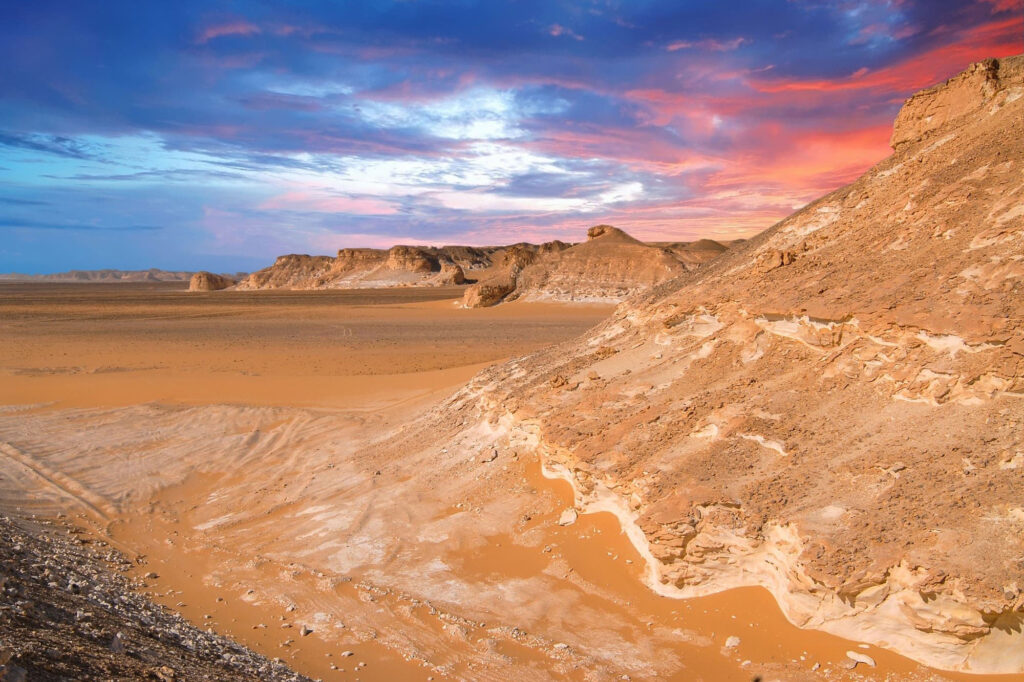
The White Desert is famous for its chalk-white rock formations shaped by wind and sand over millennia. Visitors can explore the surreal landscape, perfect for photography, camping, and desert hikes.
Green Springs and Palm Groves
The oasis contains natural springs that support date palms, citrus trees, and vegetable gardens. These lush areas contrast beautifully with the surrounding desert, creating a serene environment.
El Farafra Museum
A small museum showcasing the history, art, and culture of Farafra Oasis, including artifacts, traditional crafts, and photographs of desert life.
Local Villages and Mud-Brick Architecture
Wandering through traditional villages, travelers can see mud-brick homes, learn about local customs, and interact with the friendly inhabitants of Al Farafra Oasis.
Oasis de Farafra Desert Landscapes
Beyond the White Desert, the surrounding desert offers sand dunes, escarpments, and natural formations for hiking, quad biking, and eco-adventures.
Insider Tip: Use a Farafra Oasis map to plan your route efficiently, as attractions are spread across the oasis and nearby desert.
Culture and Art of Farafra Oasis
The art and peoples of Farafra Oasis reflect a rich heritage shaped by desert life. Traditional crafts include pottery, weaving, and handmade textiles, often sold in local markets. Cultural experiences may include music performances, storytelling, and demonstrations of desert survival techniques.
Visiting artisan workshops and interacting with local families gives travelers a deeper understanding of Oasis Farafra life. These experiences also provide opportunities to purchase authentic souvenirs and support local communities.
Travel Tip 2026: Include visits to villages and craft centers in your Farafra Oasis tours for an immersive cultural experience.
Farafra Oasis Hotels and Accommodation
For a comfortable stay, selecting the right Farafra Oasis hotels is essential. Options include:
- Luxury Desert Lodges: Offering modern amenities, scenic views, and guided desert excursions.
- Boutique Hotels: Smaller properties with personalized service and local ambiance.
- Guesthouses and Homestays: Affordable and authentic, providing cultural immersion.
Pro Tip: Booking early ensures availability, especially for stays near the White Desert. Some hotels offer packages that include Farafra Oasis tours and guided desert activities.
Agriculture in Farafra Oasis
Agriculture in Al Farafra Oasis is essential to sustaining life in the desert. Natural springs and wells allow cultivation of dates, vegetables, and fruits, maintaining a green landscape amid the desert. Traditional irrigation techniques are still in use, combined with modern farming methods.
Visitors can witness the agricultural heritage of the oasis firsthand, providing insight into how desert communities thrive despite harsh conditions. Some tours even offer visits to working farms and palm groves, making the experience interactive and educational.
Travel Tip 2026: Participate in a farm visit to see traditional and modern agricultural practices in action, and learn about the history of desert farming.
Adventure and Outdoor Activities
Oasis Farafra offers a variety of adventure options:
- Quad Biking and Desert Safari: Explore sand dunes, escarpments, and chalk formations.
- Hiking and Trekking: Discover hidden valleys and natural rock formations.
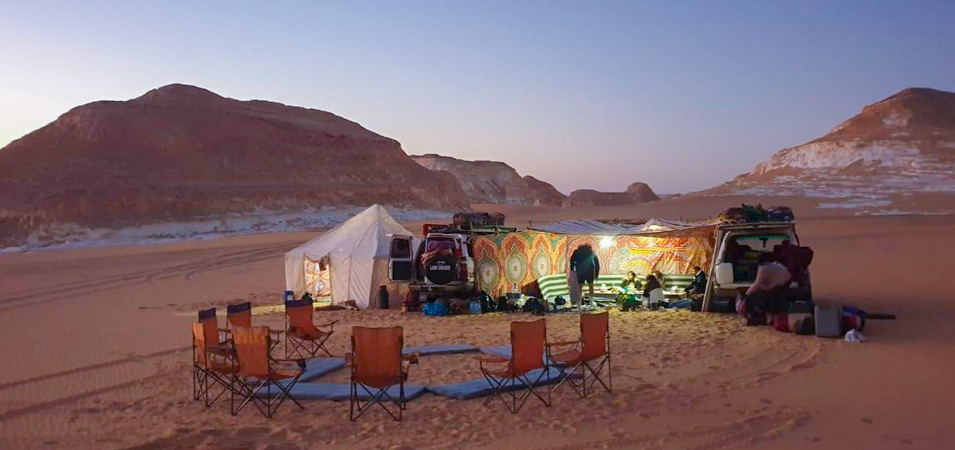
- Camping in the White Desert: Experience star-filled skies and desert tranquility.
- Photography Tours: Capture surreal landscapes and cultural scenes.
Insider Tip: Plan outdoor activities during early morning or late afternoon to avoid midday heat and enjoy optimal lighting for photography.
Historical Significance of Farafra Oasis
Farafra Oasis Egypt has a rich history dating back to ancient times. Archaeological evidence shows it was inhabited during the Pharaonic era, with trade routes connecting it to other oases and the Nile Valley. Ancient inscriptions, ruins, and settlements provide a window into desert life across millennia.
Travel Tip: Hiring a local guide can bring historical sites to life, providing context and stories that guidebooks often omit.
Planning Your Farafra Oasis Tour
A well-planned Farafra Oasis tour ensures travelers make the most of their visit:
- Duration: 2–3 days is ideal to explore the White Desert, villages, and palm groves.
- Accommodation: Book Farafra Oasis hotels in advance to secure the best options.
- Transport: Private vehicles or organized tours provide convenience for navigating the desert.
- Activities: Balance sightseeing, desert adventures, and cultural experiences.
- Packing: Bring light clothing, sun protection, sturdy shoes, and water for desert excursions.
Pro Tip 2026: Combine your visit with other nearby oases for a multi-oasis adventure in Egypt’s Western Desert.
Cuisine and Local Delights
Dining in Farafra Oasis introduces travelers to authentic desert flavors:
- Dates and Fresh Fruits: Sourced from oasis palm groves.
- Vegetable Stews and Grains: Reflect the agricultural richness of the oasis.
- Traditional Breads and Desserts: Prepared using centuries-old recipes.
Travel Tip: Cooking workshops at Farafra Oasis hotels or local homestays provide a hands-on culinary experience.
Farafra Oasis for Photography Enthusiasts
El Farafra Oasis offers incredible photography opportunities:
- Surreal chalk formations in the White Desert
- Lush palm groves and farmland
- Traditional villages and mud-brick homes
- Desert sunsets and night skies
Pro Tip 2026: Bring both wide-angle and telephoto lenses to capture vast landscapes and cultural details.
Best Time to Visit Farafra Oasis
- Spring (March–May): Ideal for pleasant temperatures and blooming landscapes.
- Autumn (September–November): Perfect for outdoor exploration and desert adventures.
- Winter (December–February): Mild days with cooler nights for desert camping.
Avoid summer months due to extreme desert heat.
Tips for Travelers to Farafra Oasis
Carry water, sunscreen, and protective clothing for desert excursions.
Respect local customs in villages and historical sites.
Use offline Farafra Oasis maps to navigate remote areas.
Support local artisans by purchasing handmade crafts.
Hire guides to gain deeper insight into the oasis’ history, culture, and geography.
Conclusion: Why Visit Farafra Oasis Egypt in 2026
Farafra Oasis Egypt is a hidden gem of the Western Desert, offering travelers a rare combination of natural beauty, historical depth, and cultural richness. From exploring the White Desert and lush palm groves to visiting traditional villages and engaging with local artisans, Al Farafra Oasis delivers a truly unique travel experience.
Booking Farafra Oasis tours ensures a seamless visit, including accommodation in top Farafra Oasis hotels, guided desert excursions, and cultural immersion. Whether traveling independently or from nearby oases, this destination promises adventure, relaxation, and unforgettable memories.
Travel Tip: Use a Farafra Oasis map, plan your itinerary, and enjoy the extraordinary landscapes, history, and culture that make this oasis one of Egypt’s most spectacular hidden treasures.