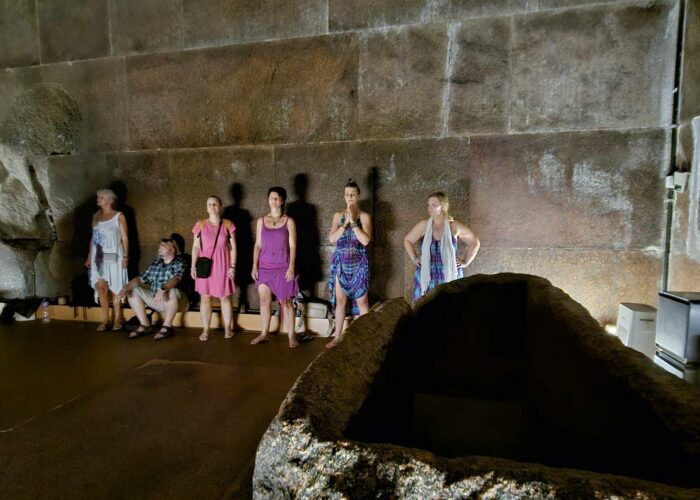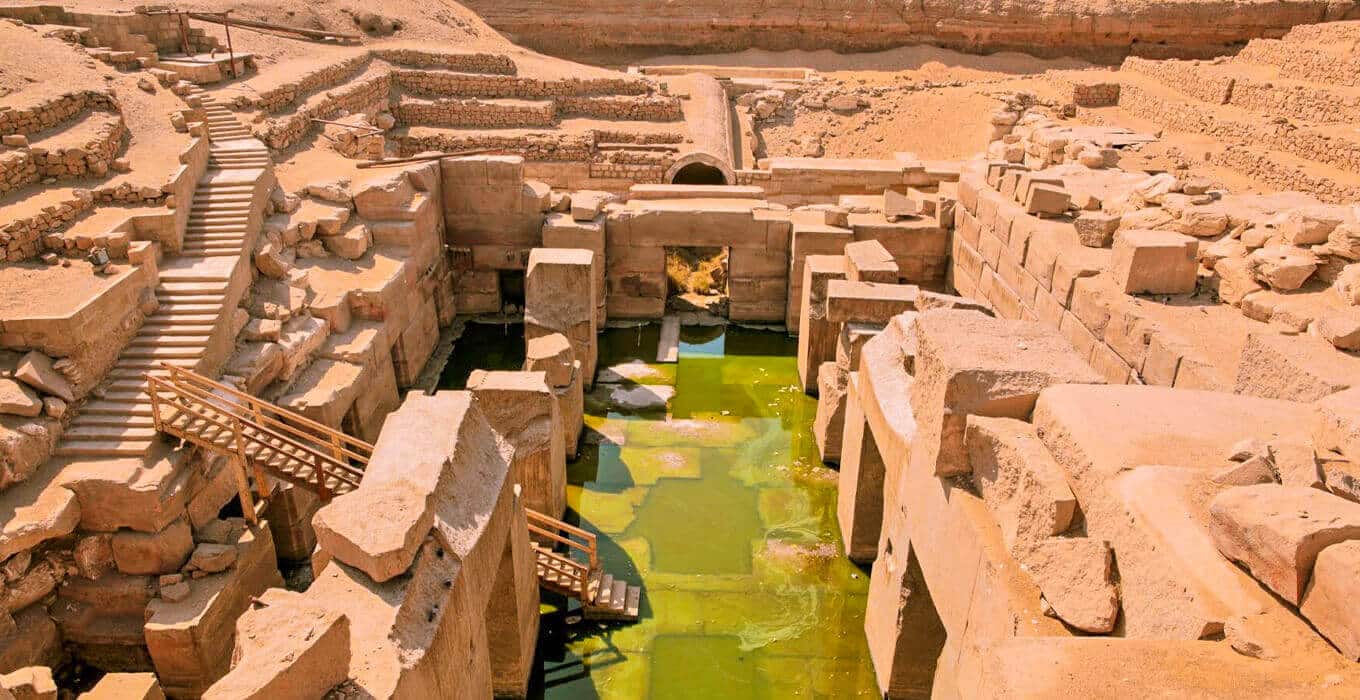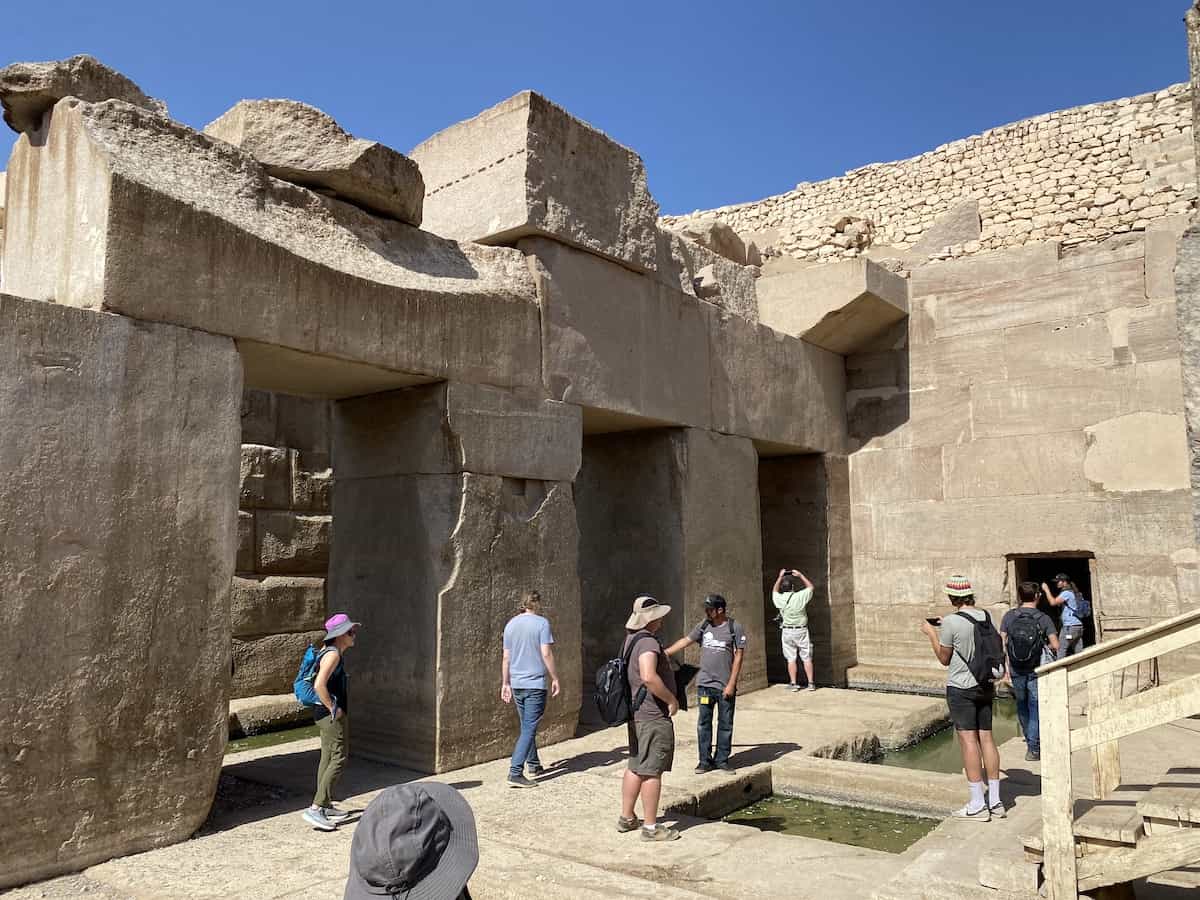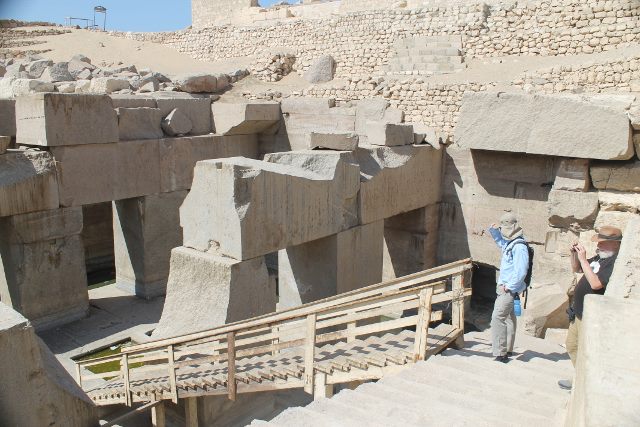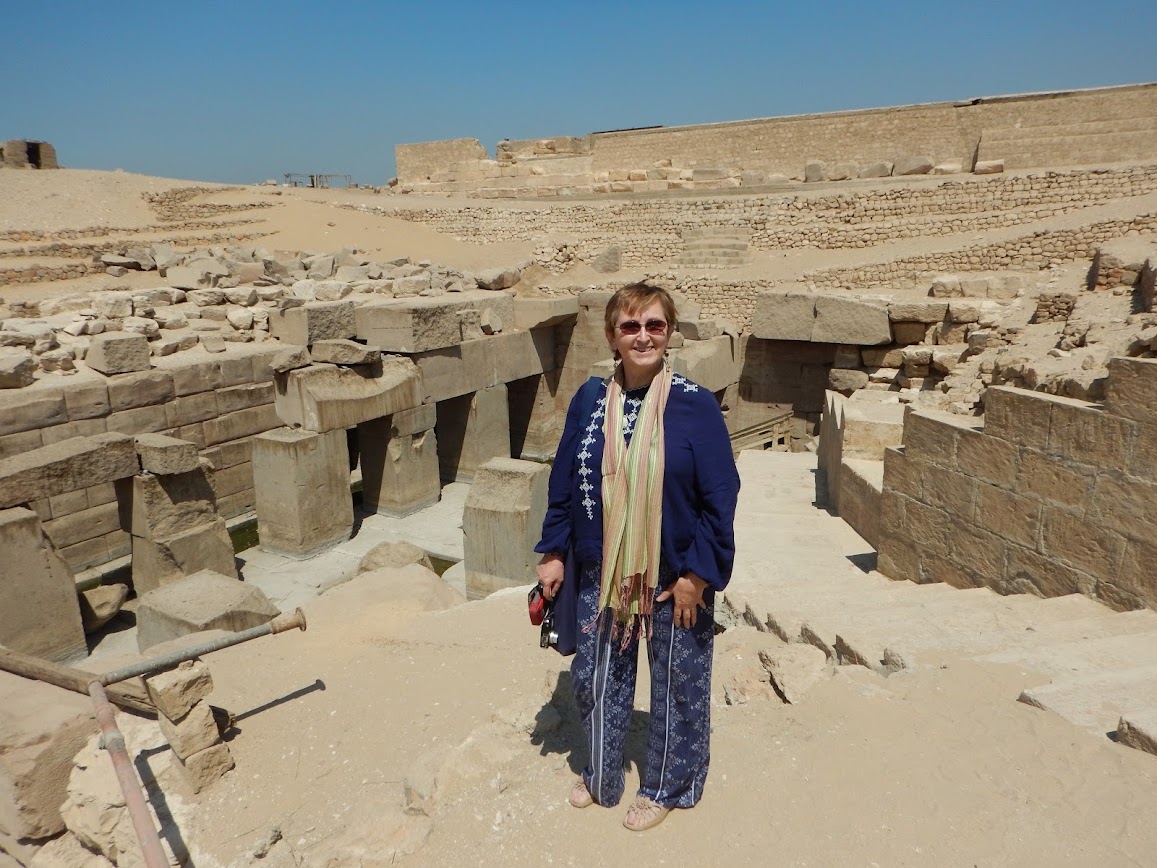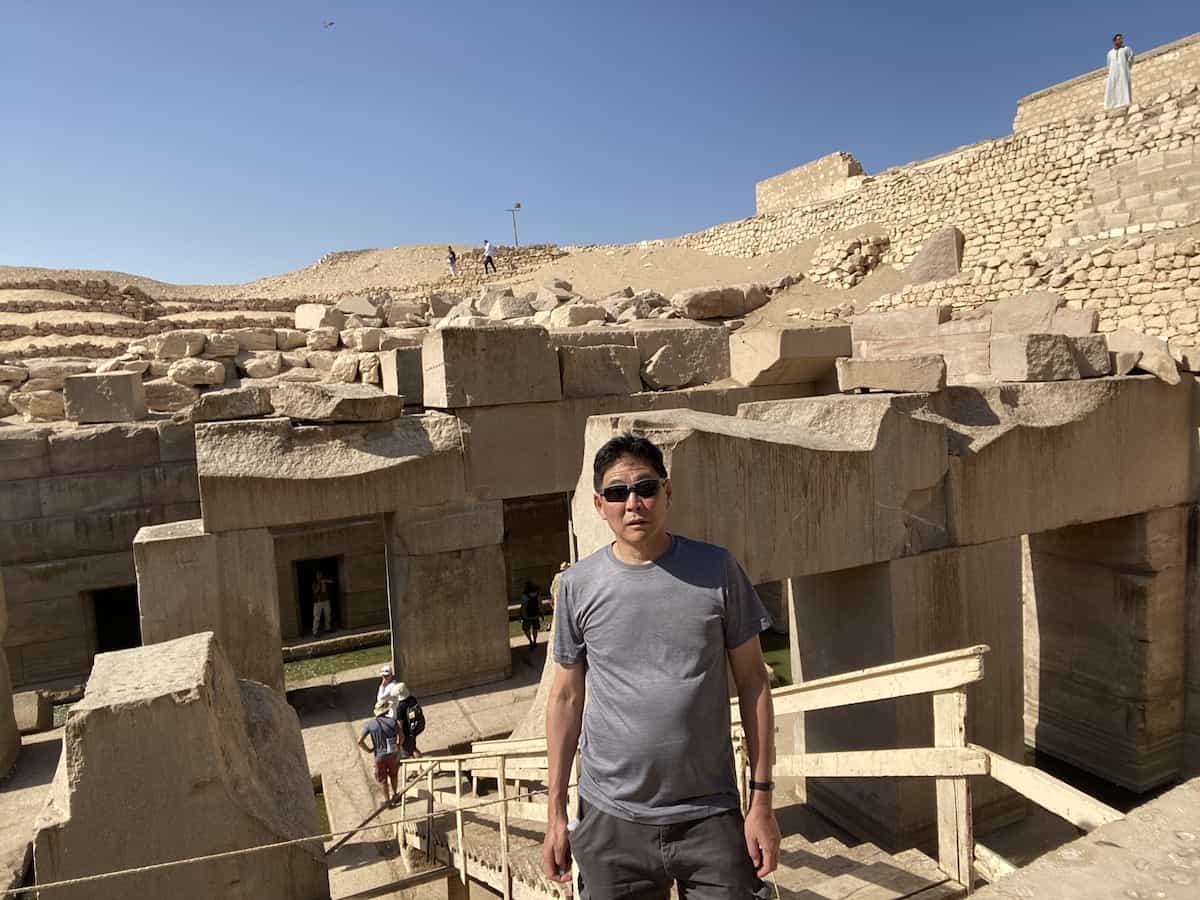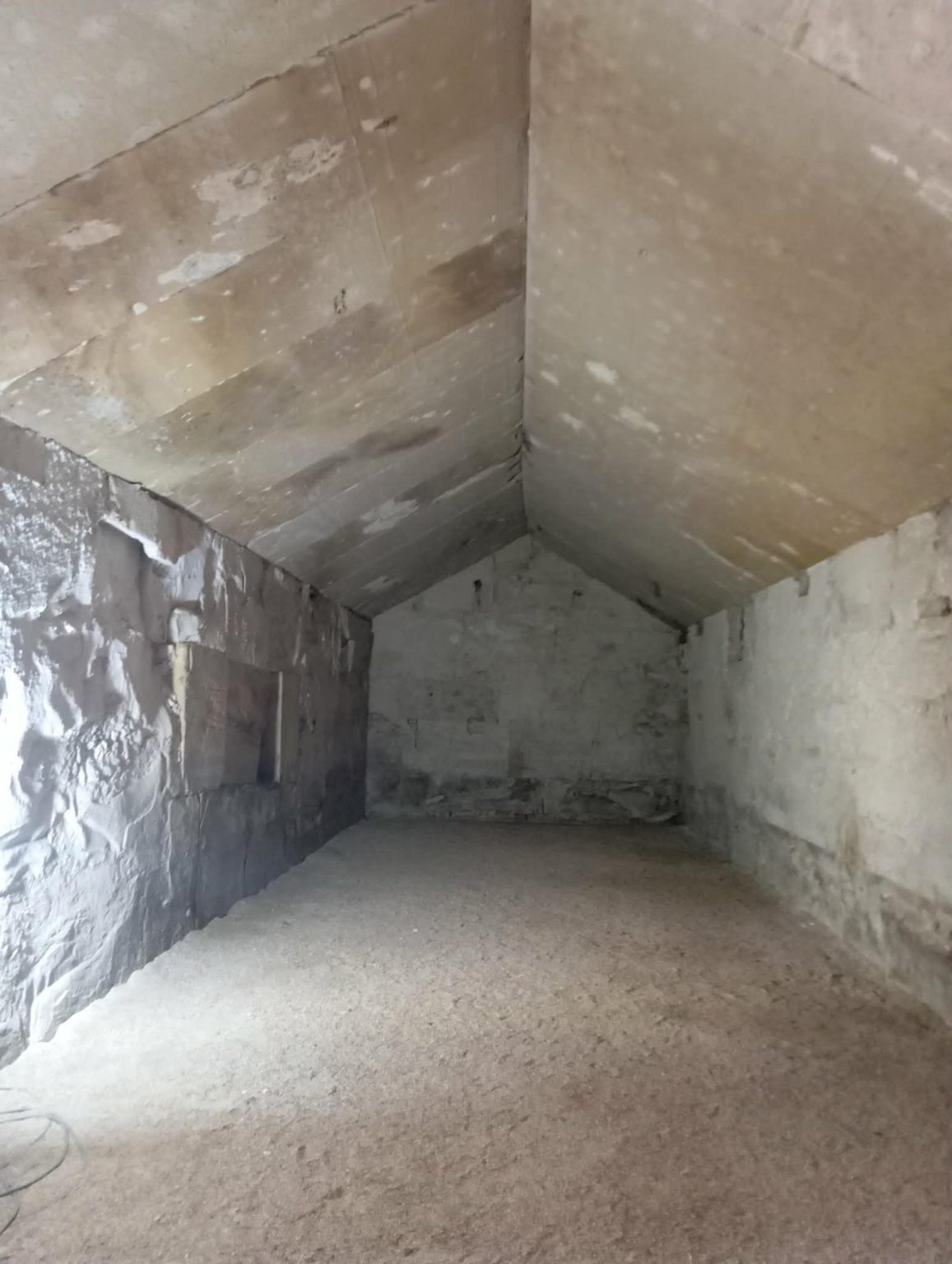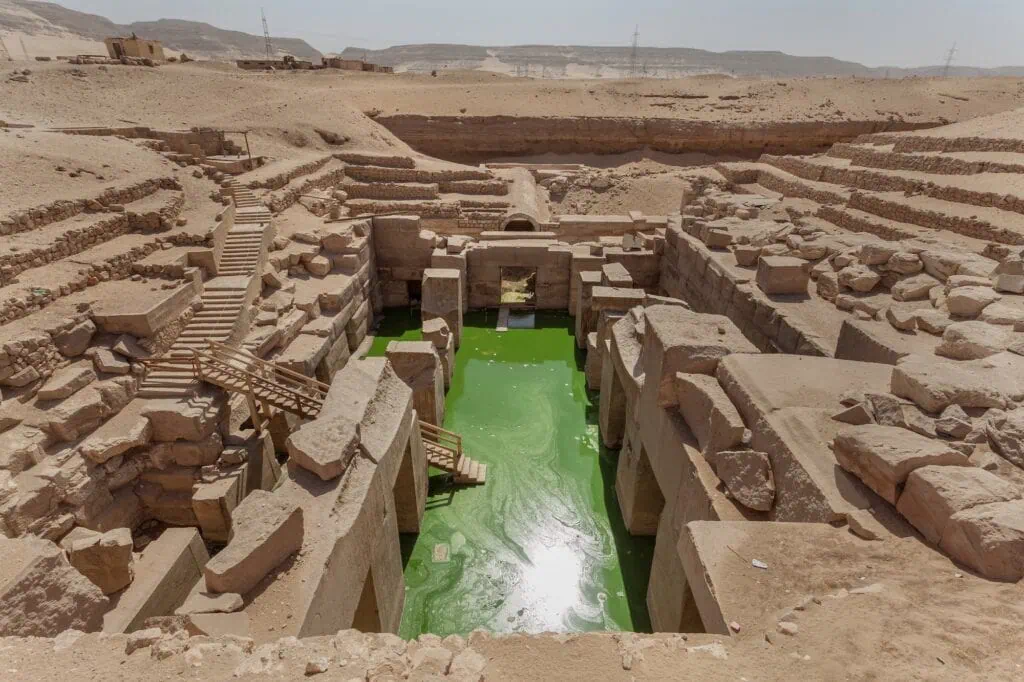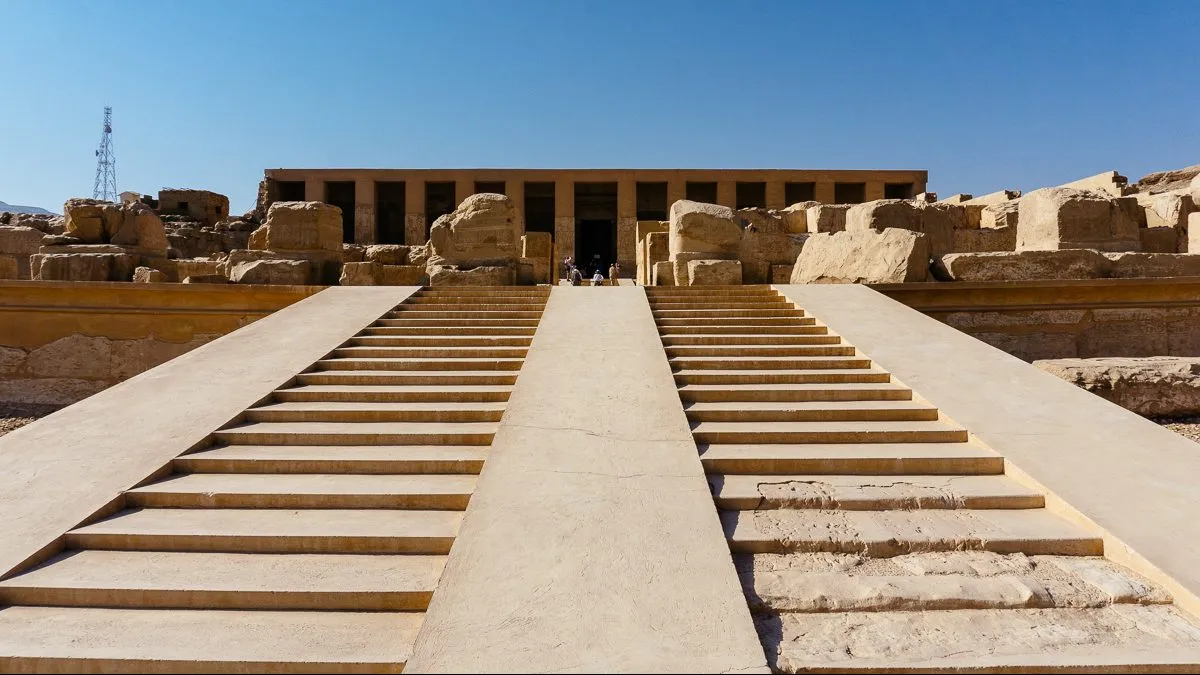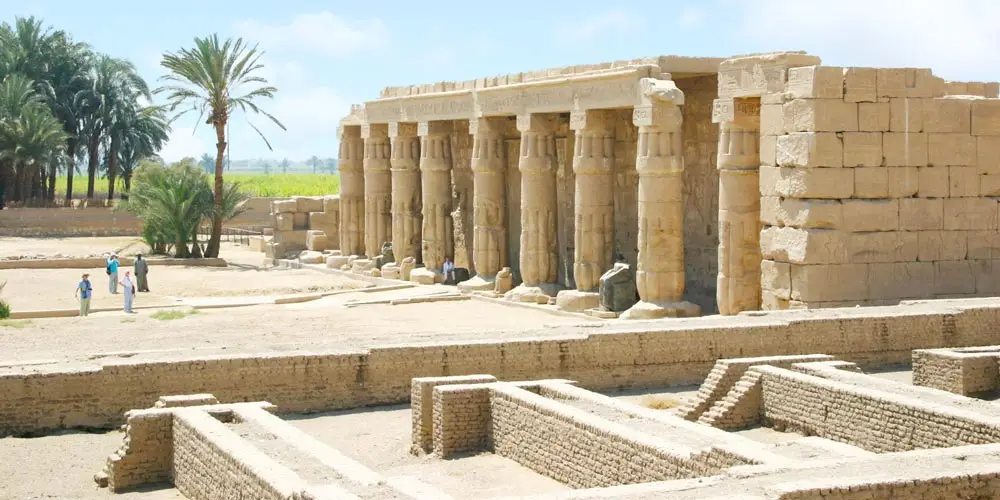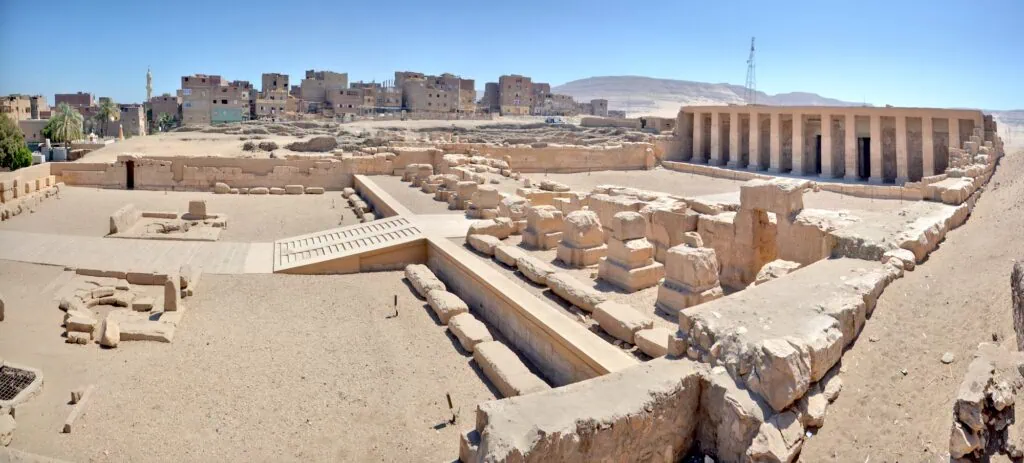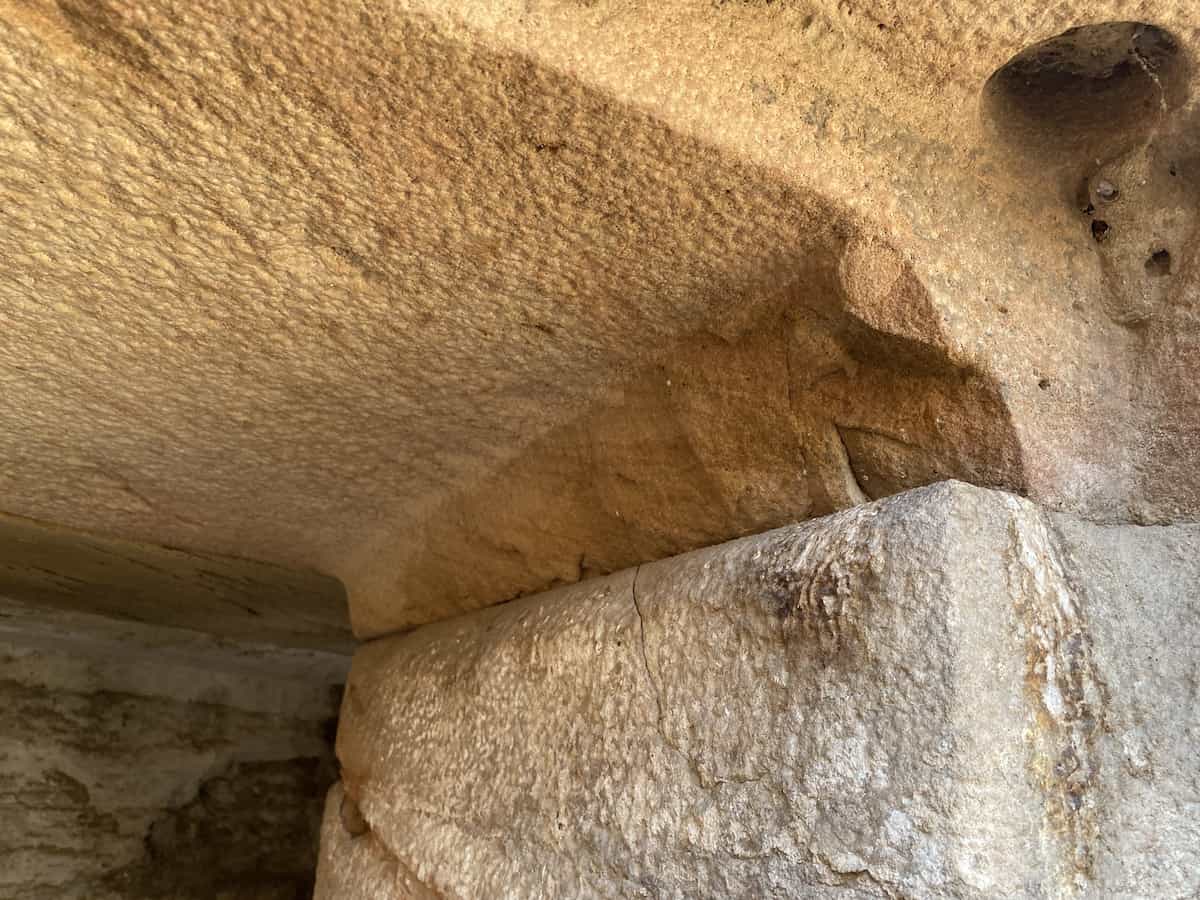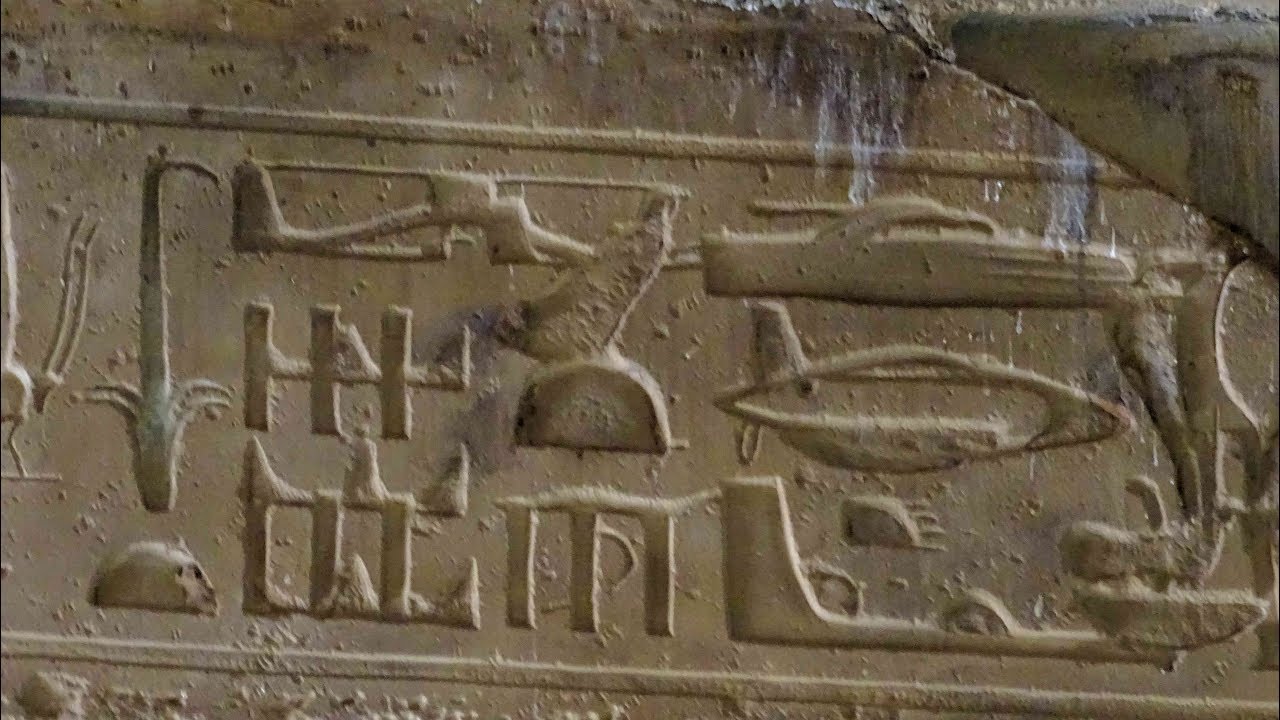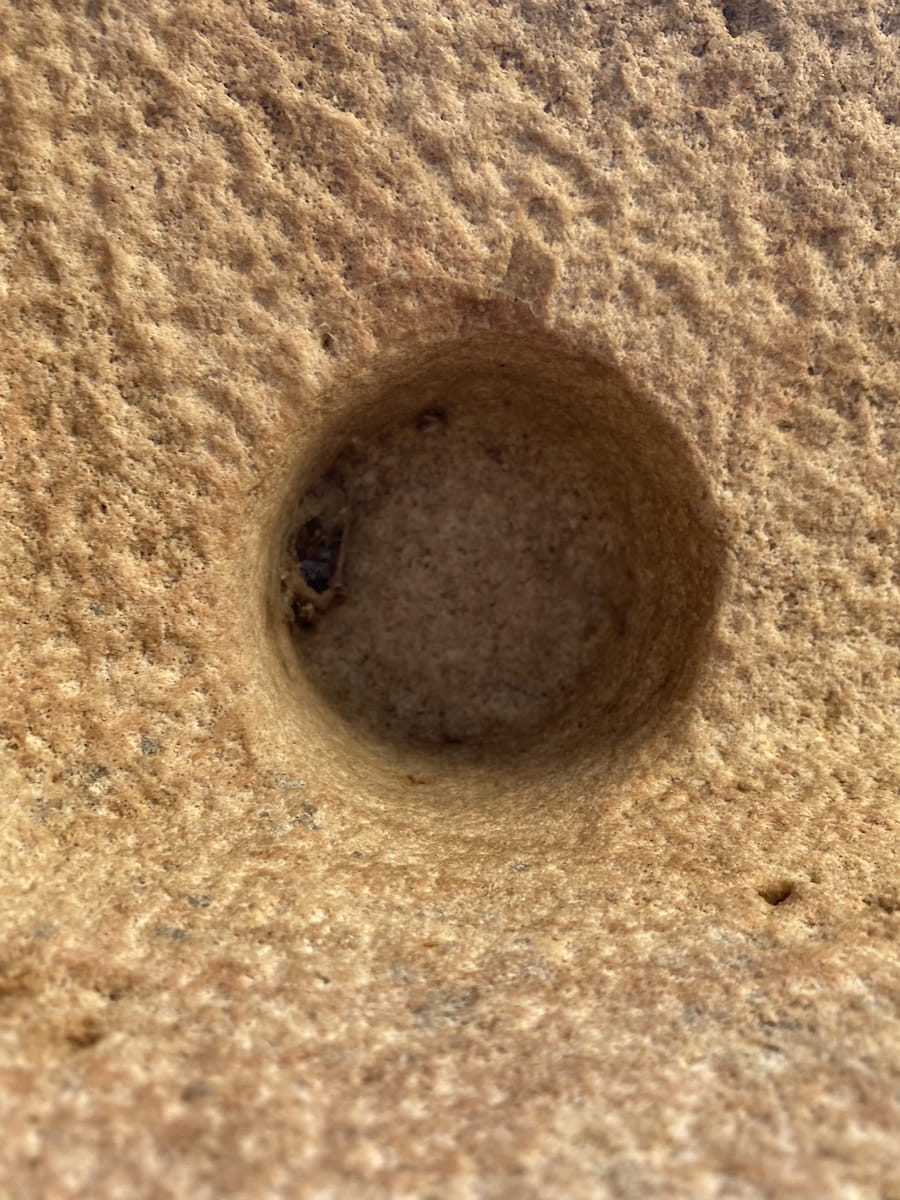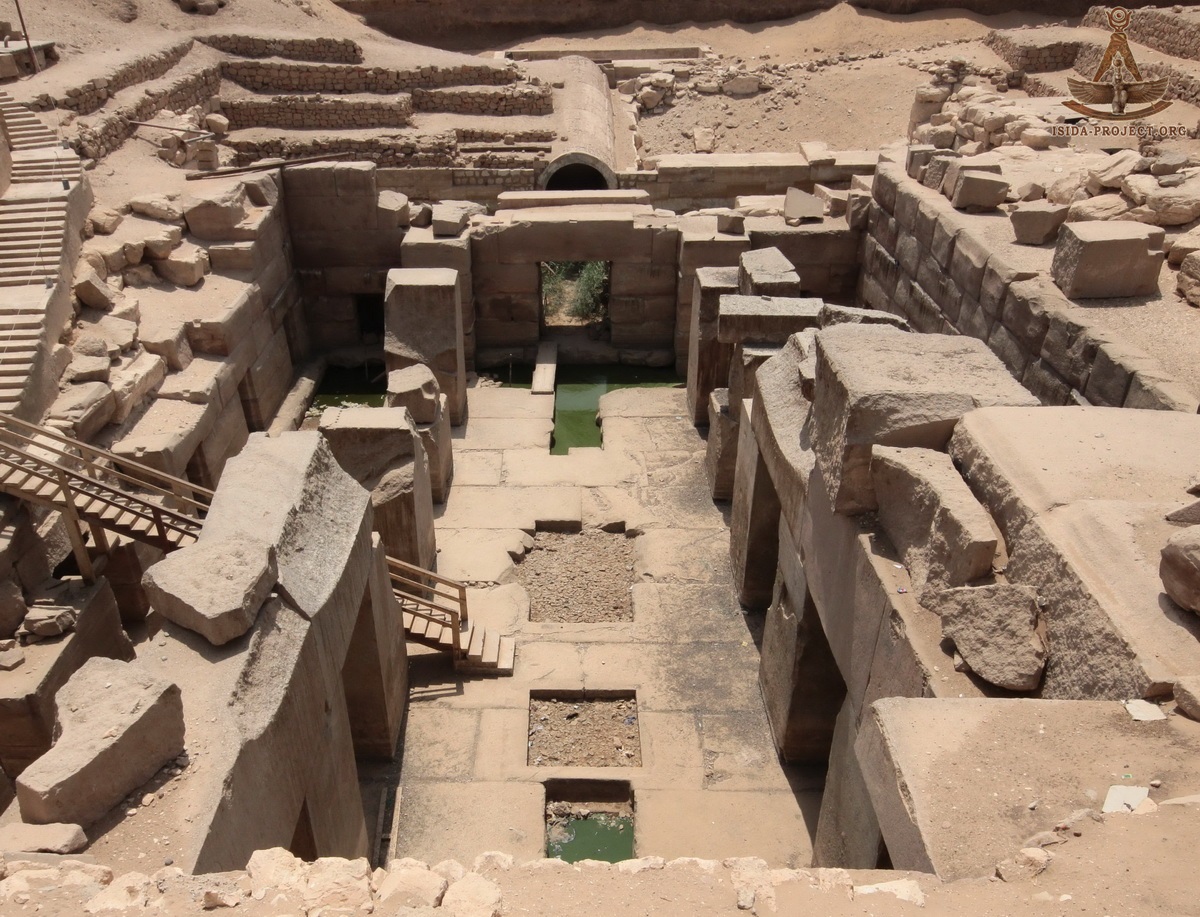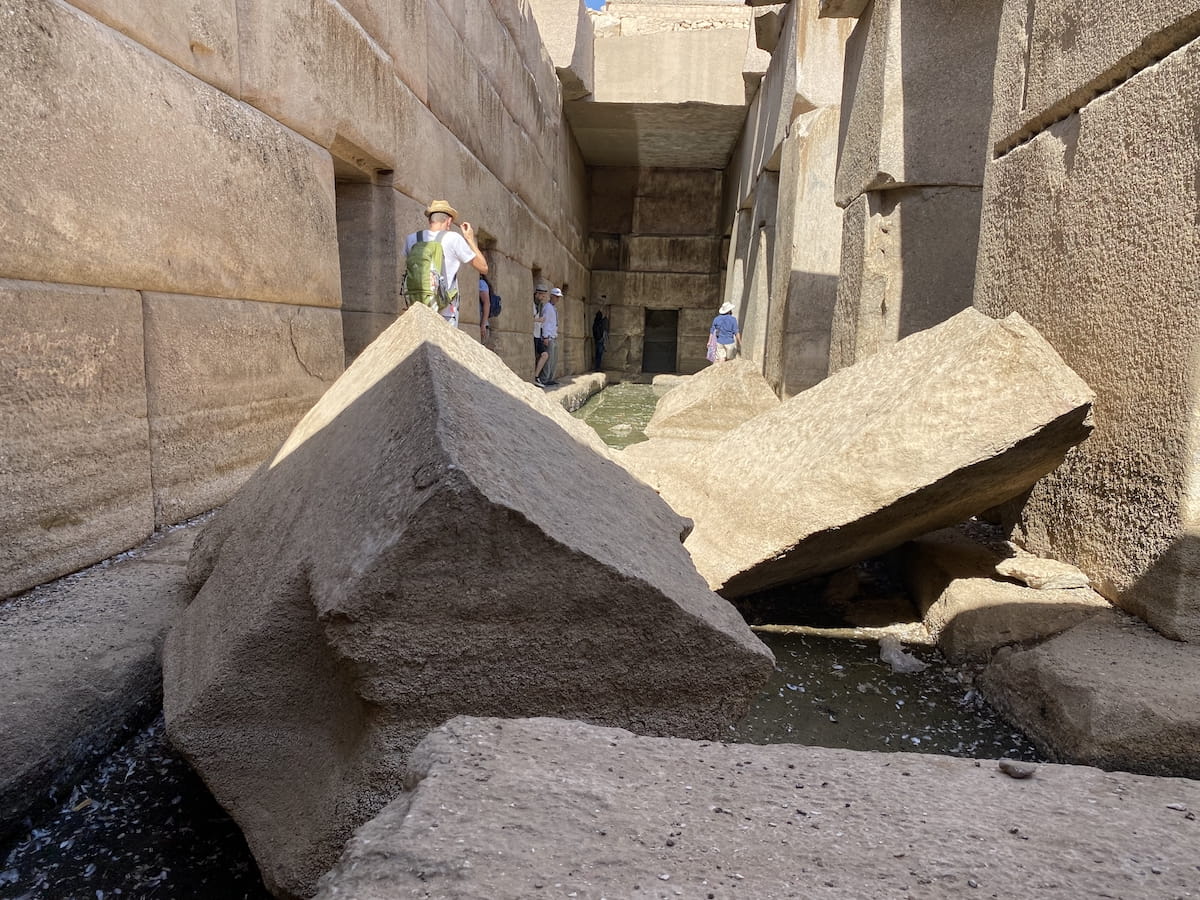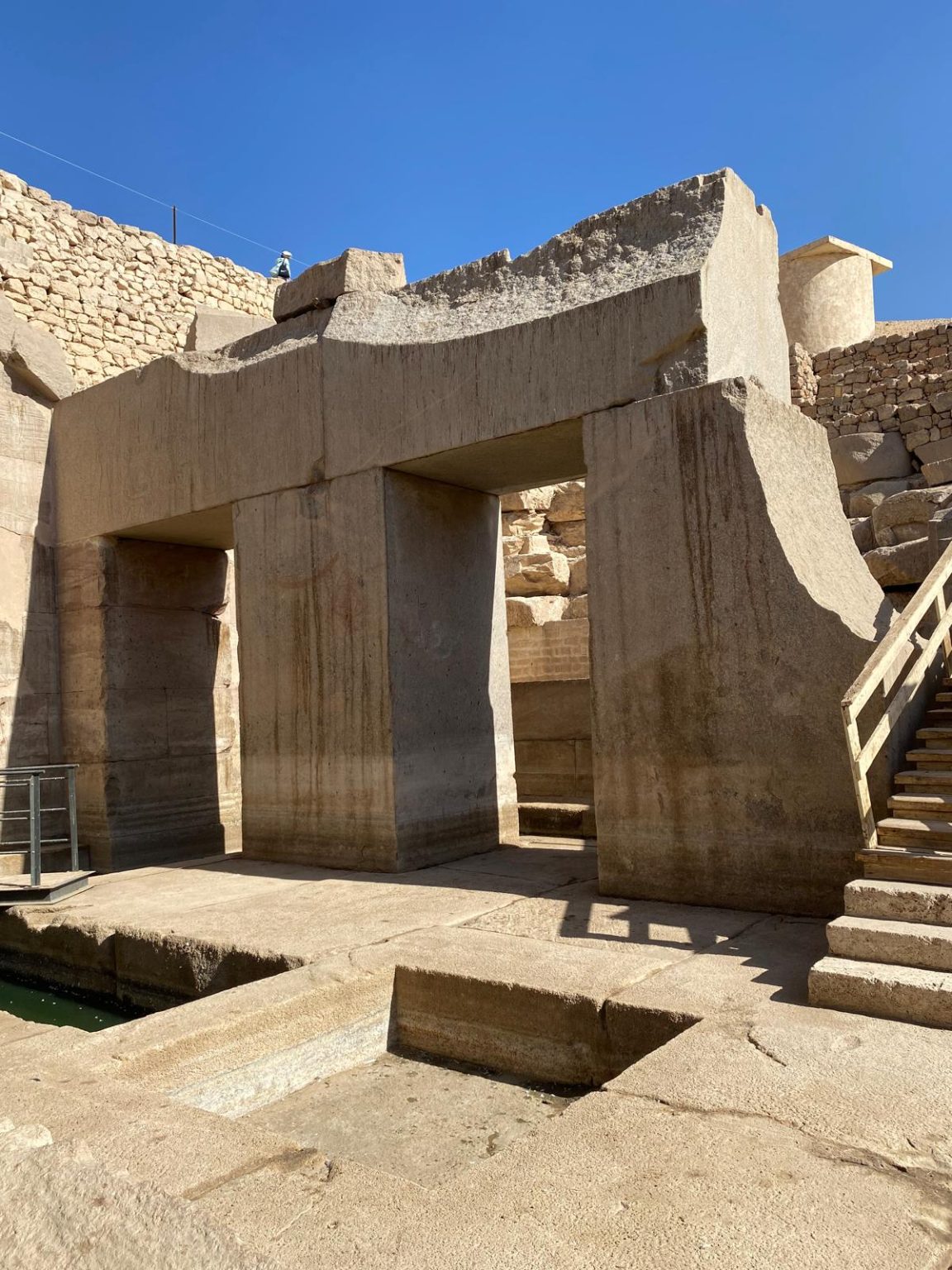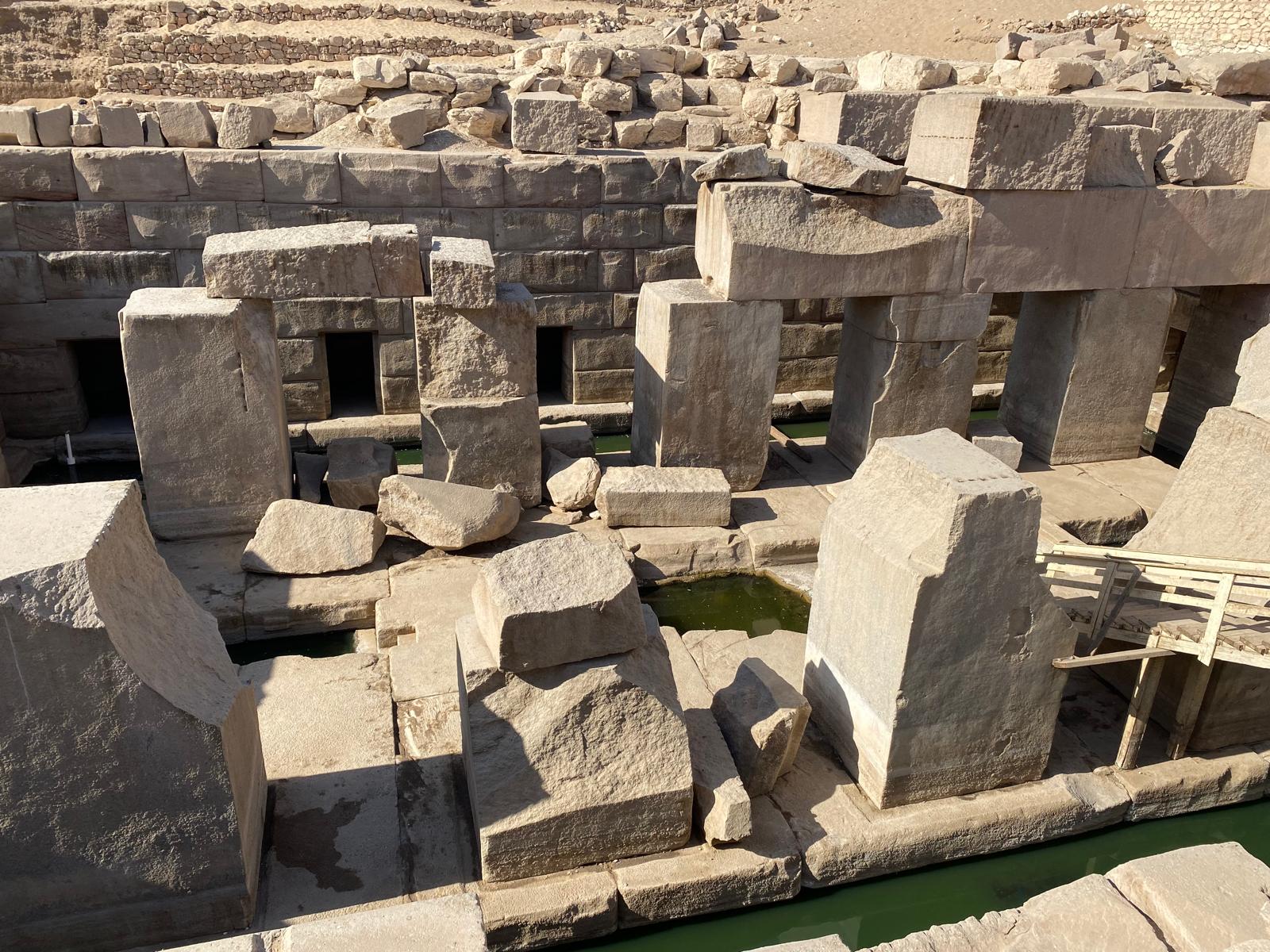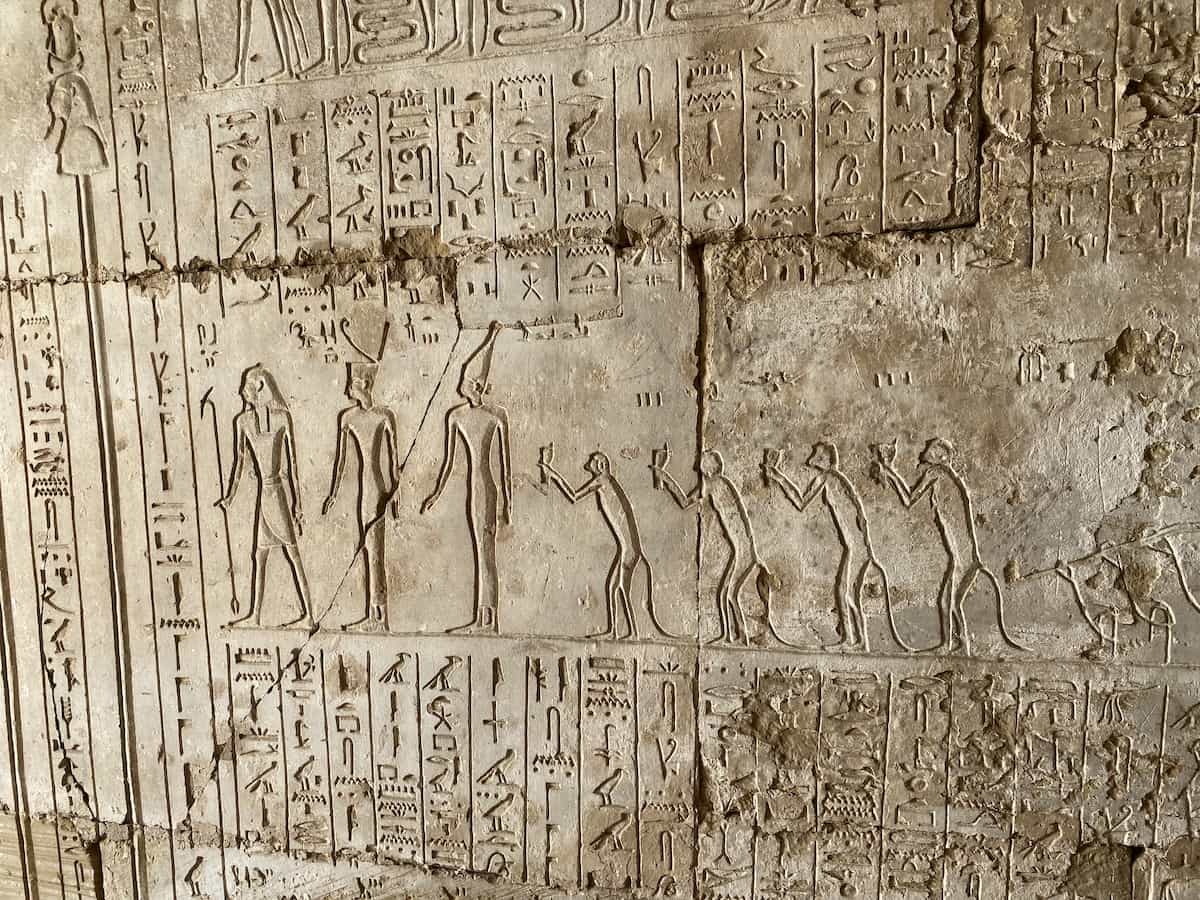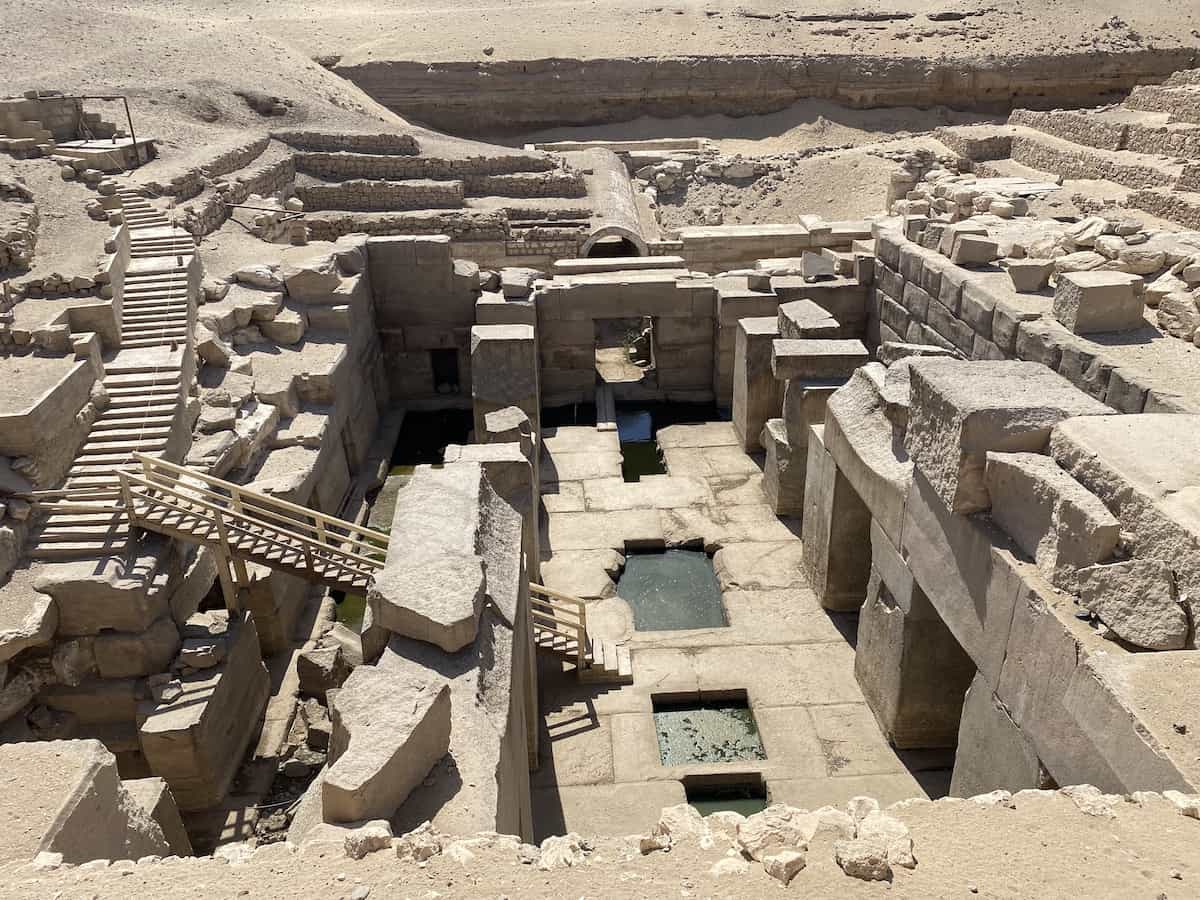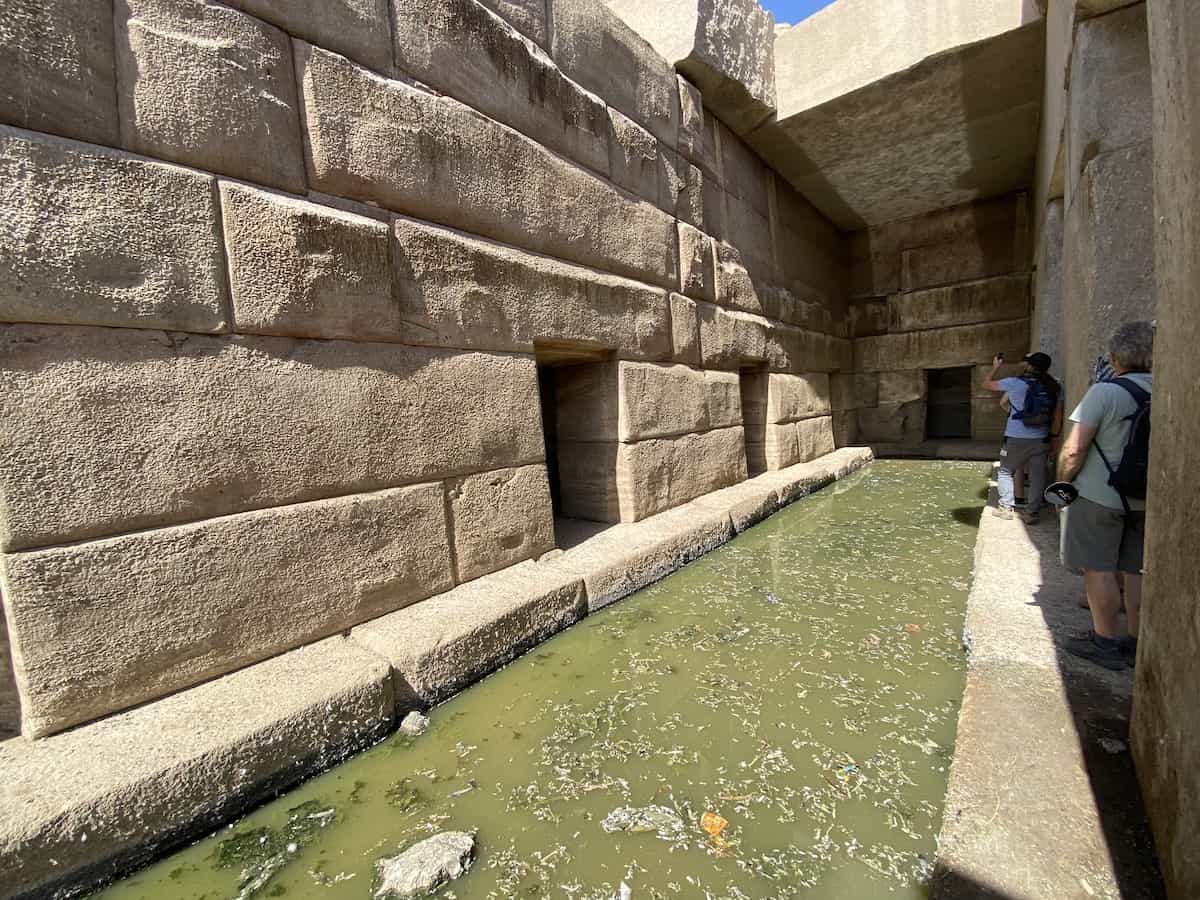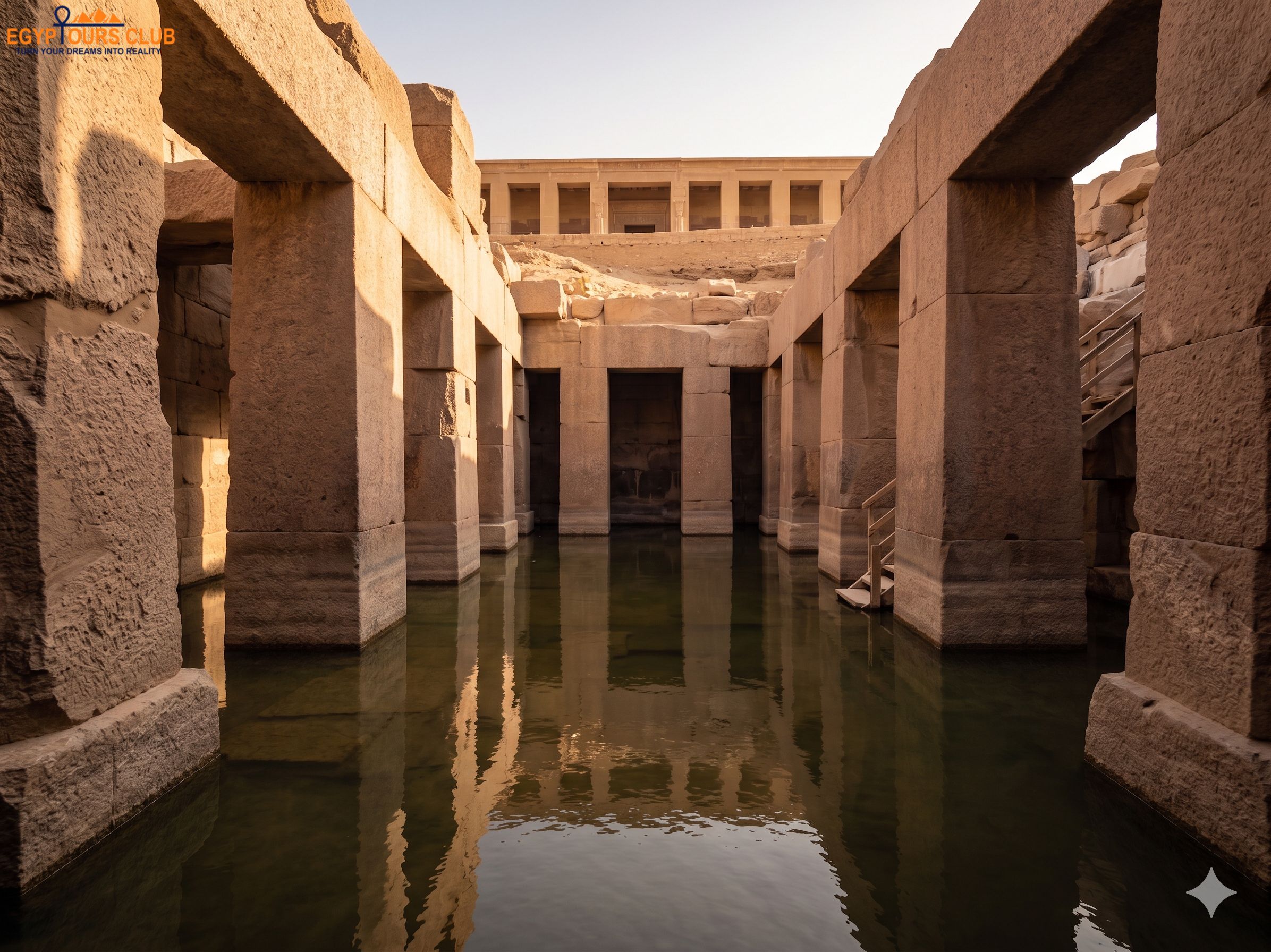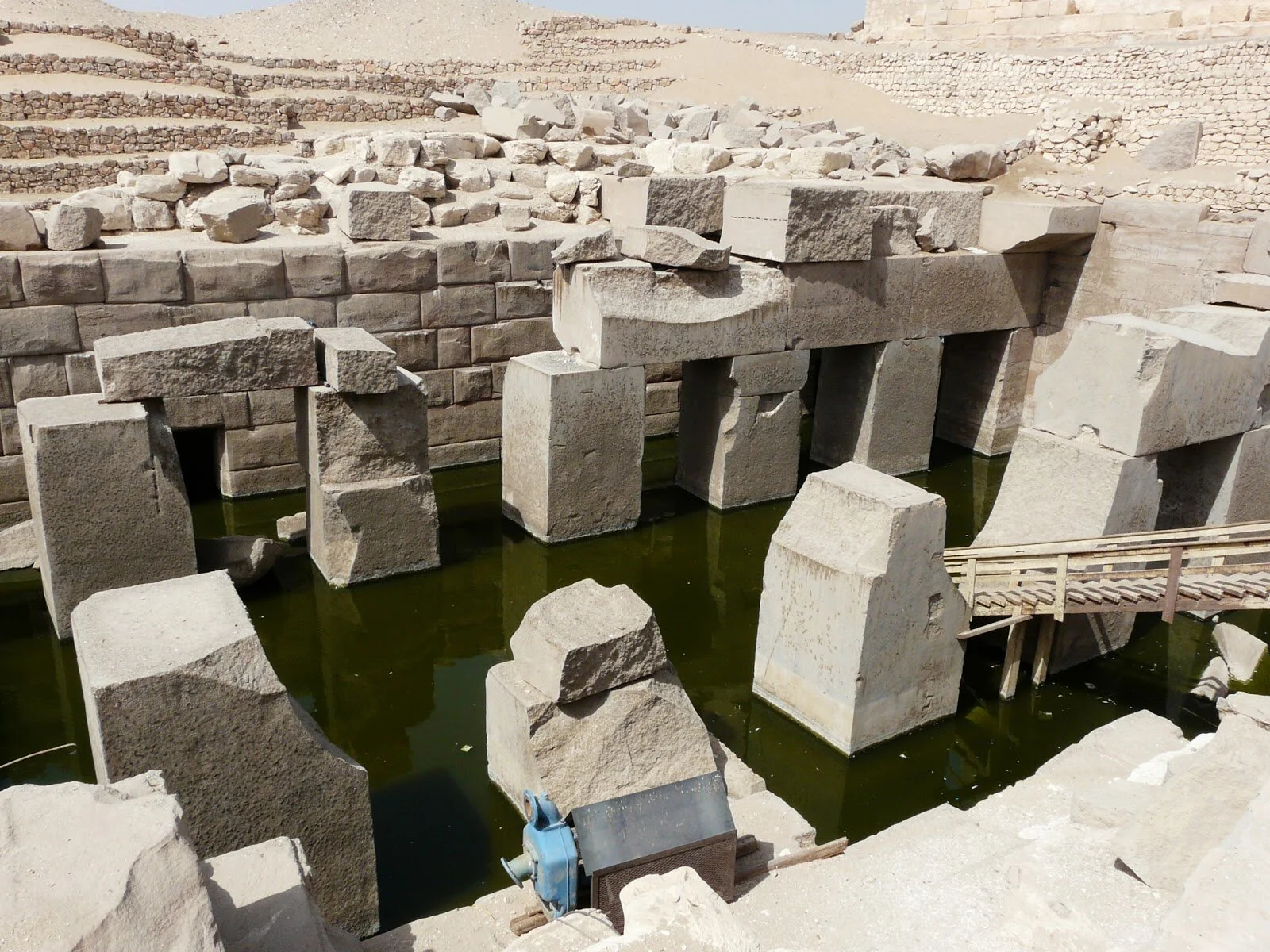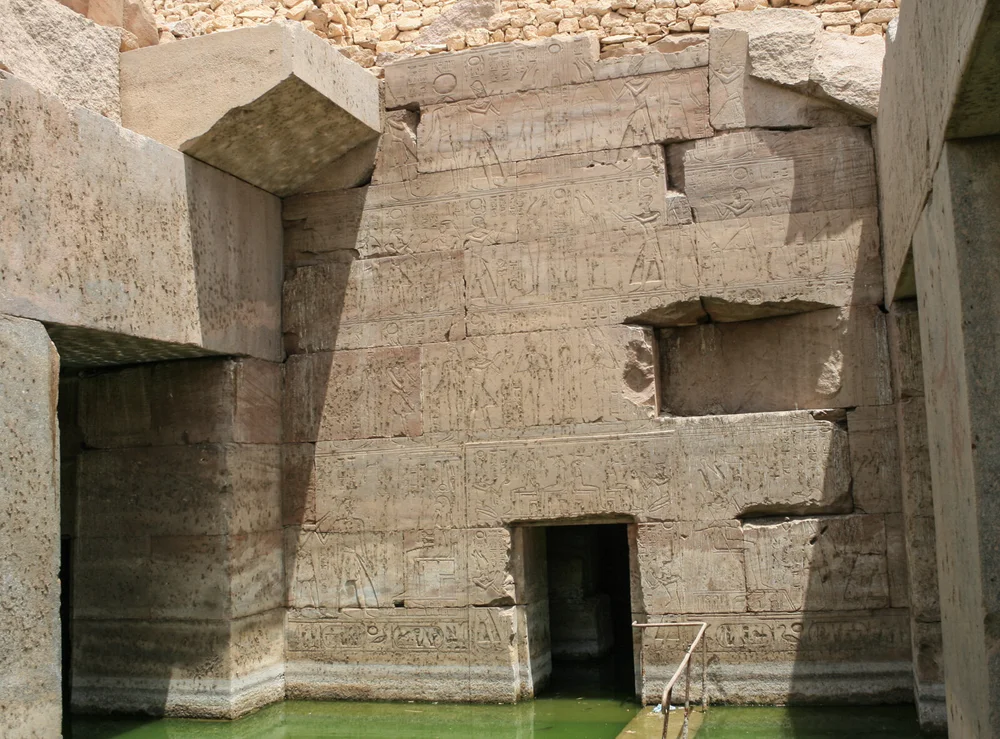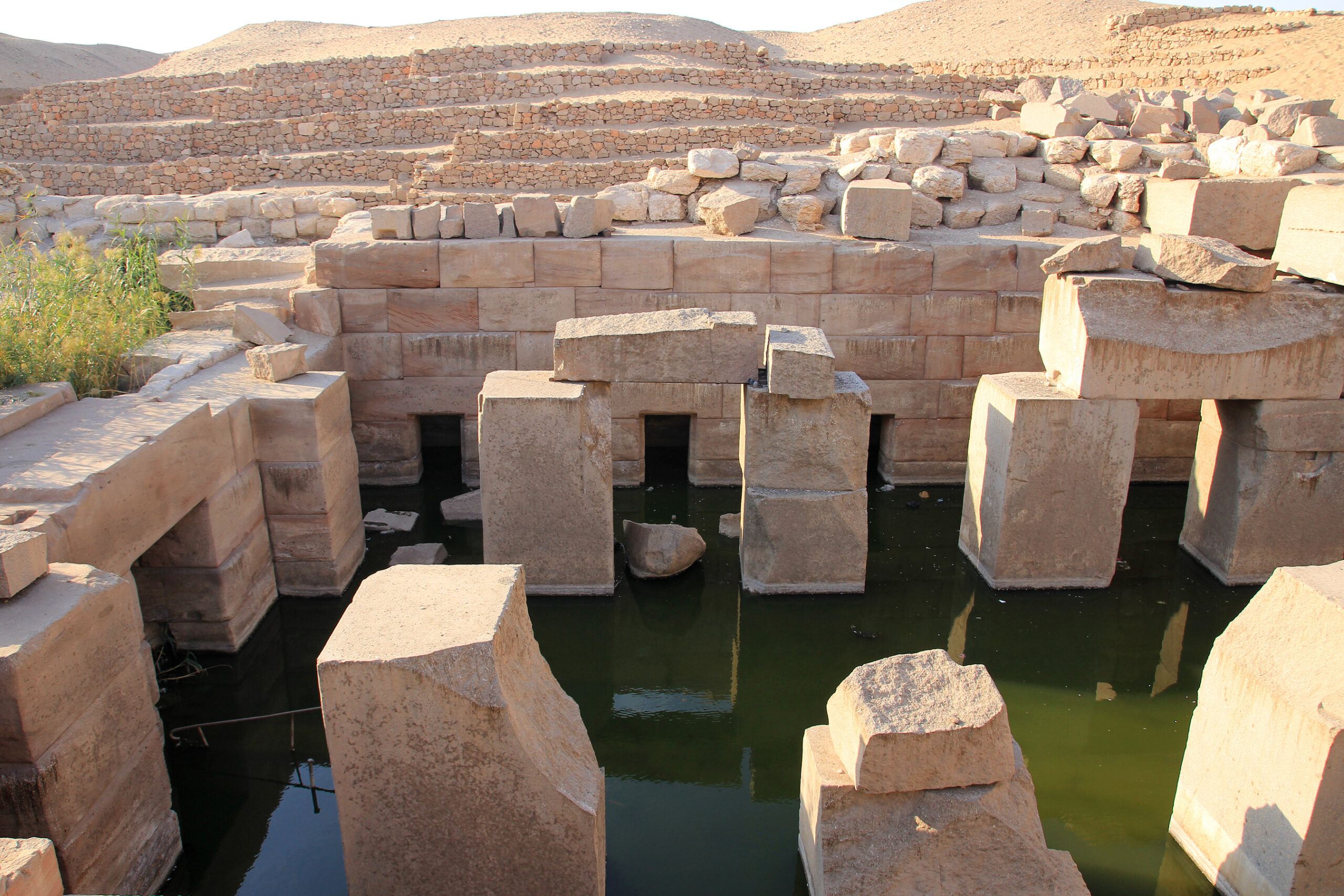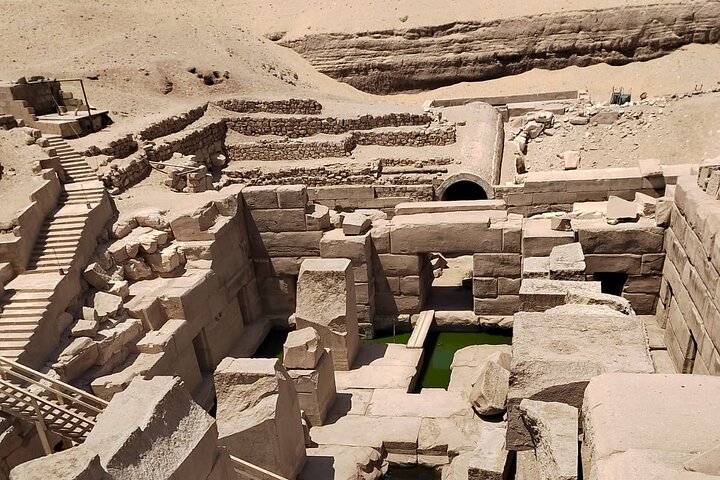
The Osirion (also spelled Osireion) is a massive underground stone structure located directly behind the Temple of Seti I at Abydos, Egypt. Built from enormous limestone blocks with granite roofing slabs, it is widely believed to have been connected to the worship of Osiris, the Egyptian god of death, resurrection, and the afterlife. Unlike the temple beside it, the Osirion is almost entirely undecorated, giving it a raw, monumental character unlike anything else in the surrounding complex.
The mainstream Egyptological view holds that the Osirion was built during the reign of Seti I, around 1290 BCE, as an integrated part of his temple complex at Abydos — likely functioning as a symbolic tomb or cenotaph tied to the cult of Osiris. Some scholars also point to evidence of work continuing under Seti’s successor, Ramesses II, who is known to have completed several of his father’s unfinished projects.
That said, the Osirion’s construction style is strikingly different from the finely decorated temple next to it — massive, unadorned megalithic blocks rather than inscribed sandstone. This contrast has led some researchers and independent investigators to argue the structure may predate Seti I’s reign entirely, possibly by a considerable margin, and was later incorporated into his temple complex rather than built by him from scratch. This remains a minority position without confirmed archaeological support, and most Egyptologists maintain the New Kingdom attribution.
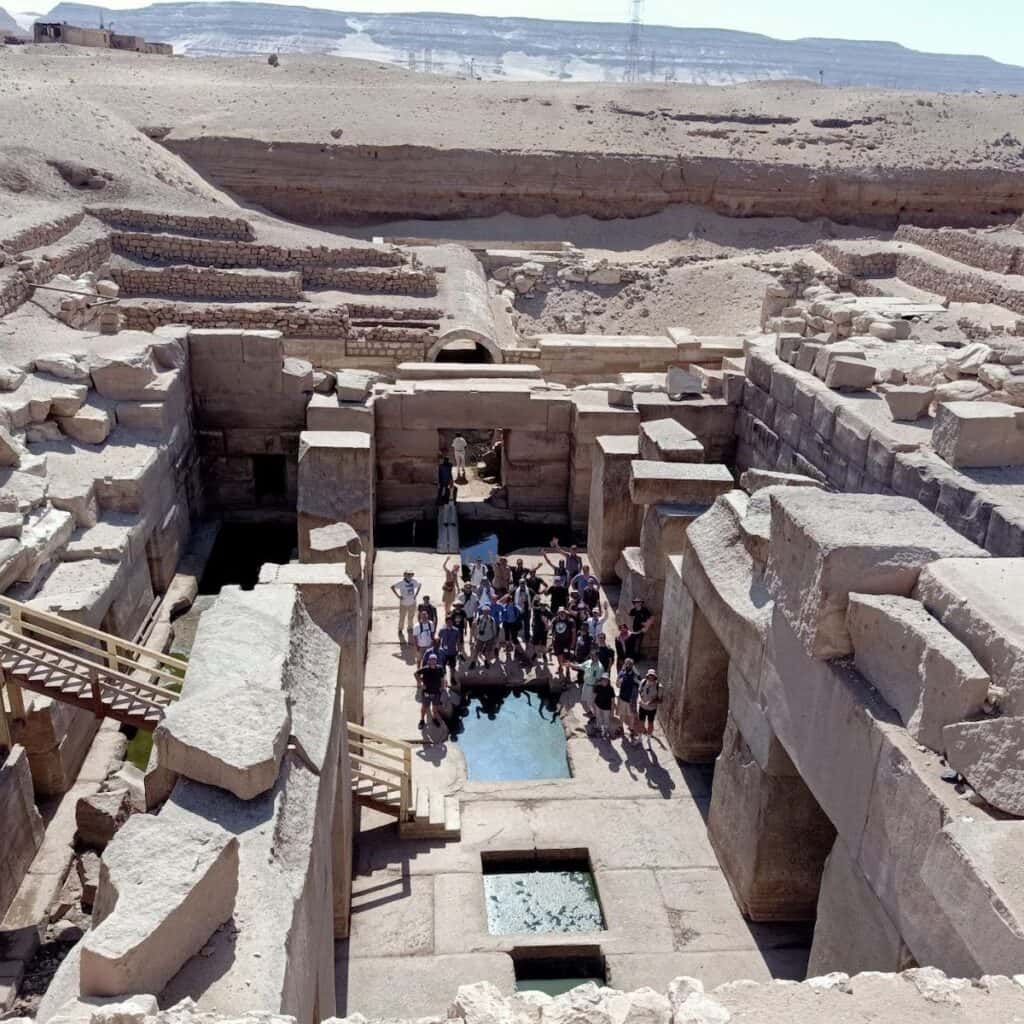
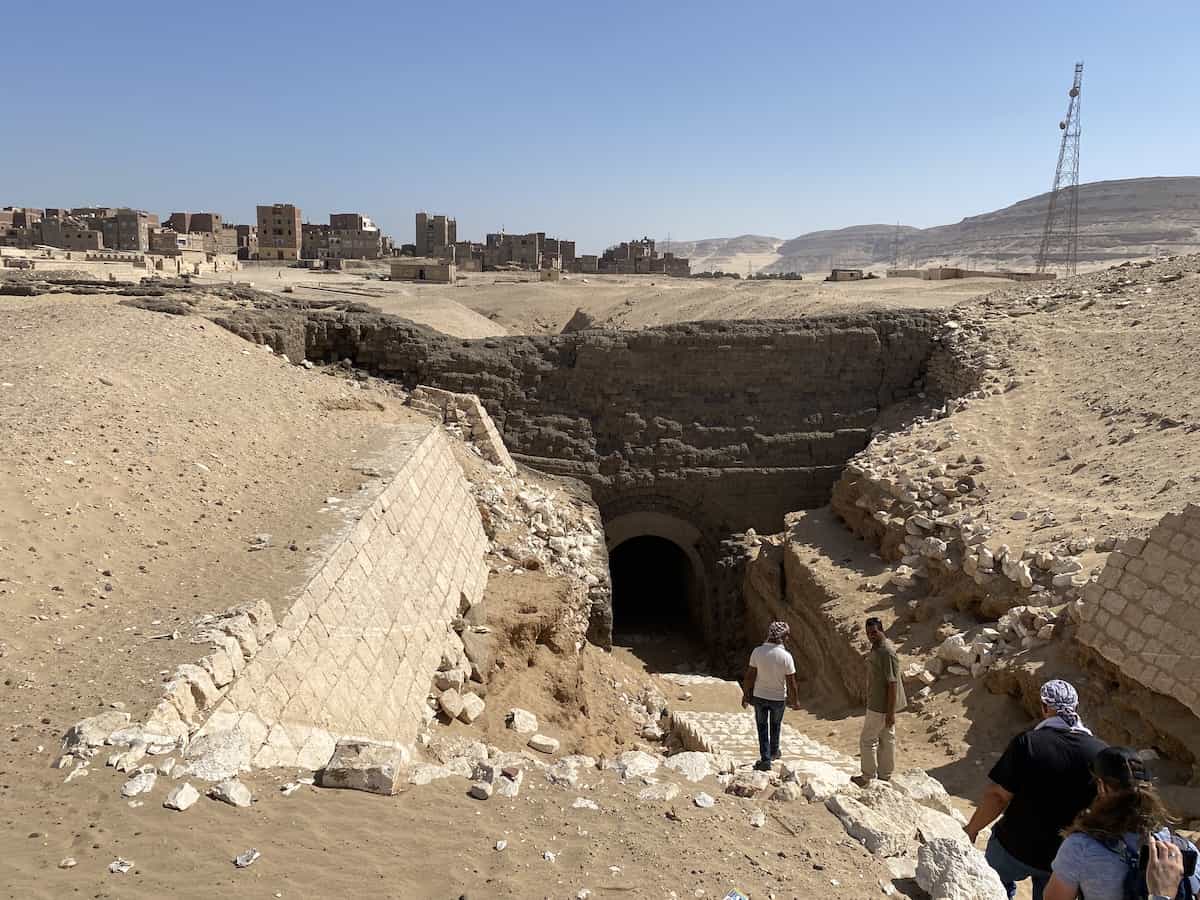
The structure sits well below the surrounding ground level, which gives it the visual impression of having been buried over time. In the standard interpretation, this depth was intentional — a deliberate design choice meant to evoke the mythological underworld associated with Osiris, placing the building symbolically “beneath” the world of the living.
An alternative explanation sometimes raised is that the Osirion was originally constructed at or near ground level and became buried gradually over centuries or millennia by wind-blown sand and Nile sediment, with later builders constructing the Temple of Seti I on top of the accumulated fill. This idea is often cited by those who favor an older date for the structure, though it isn’t the consensus view among archaeologists.
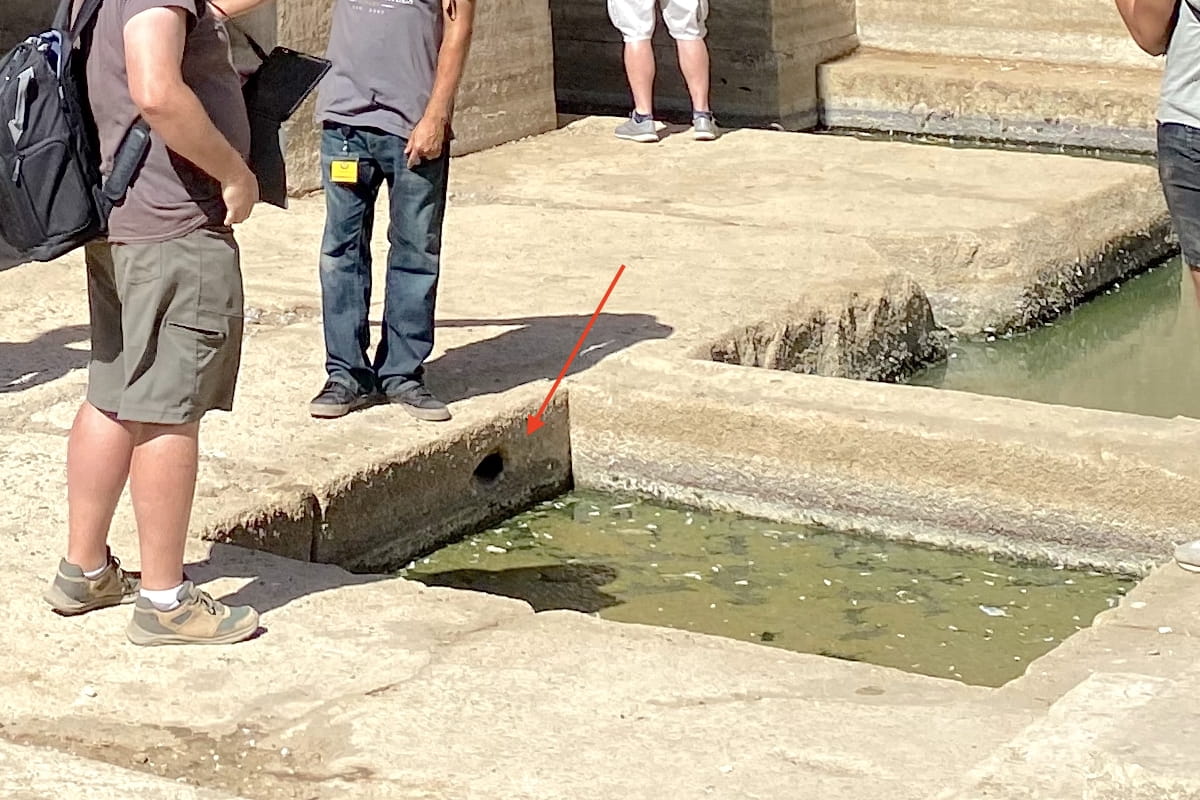
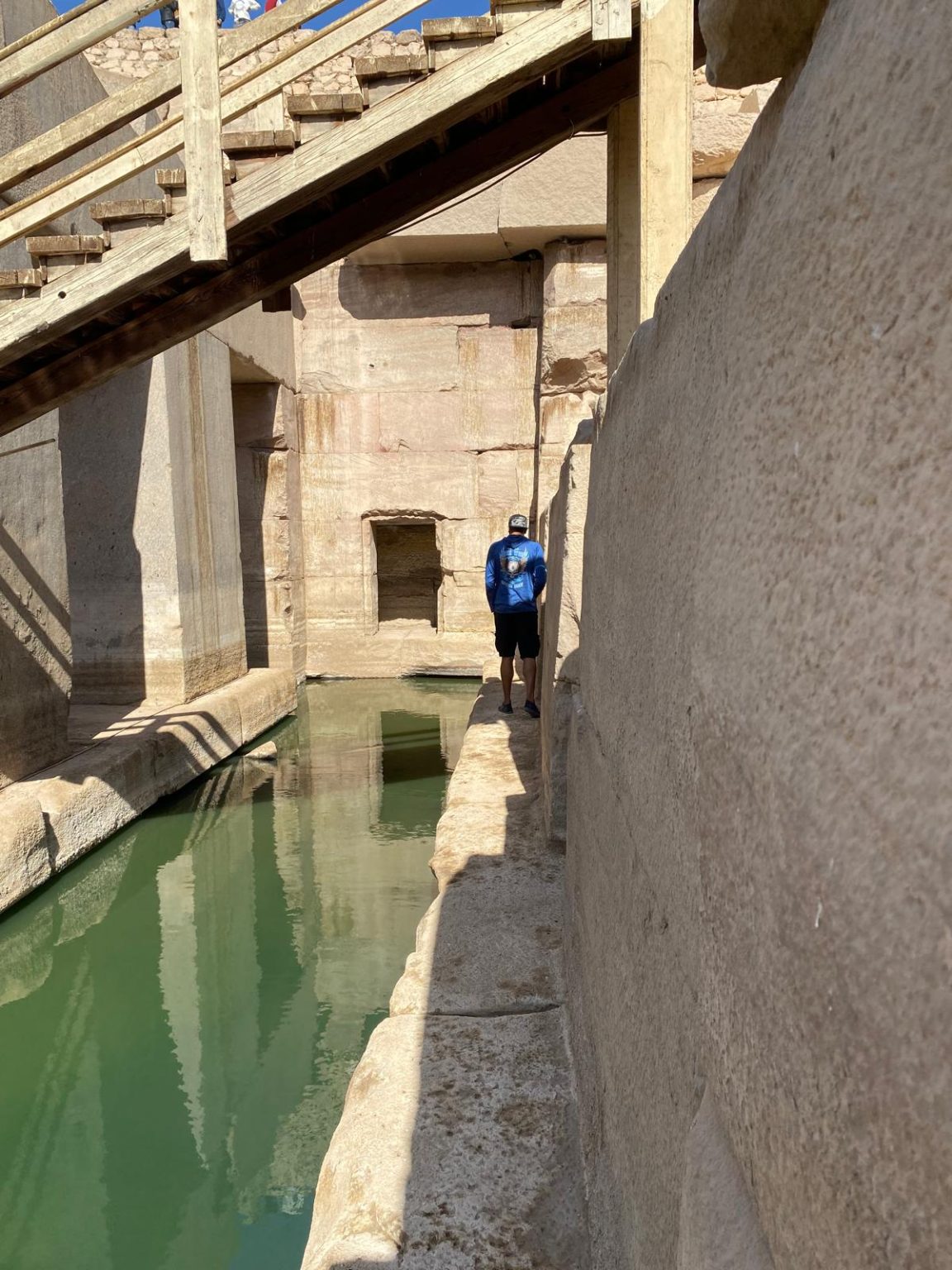
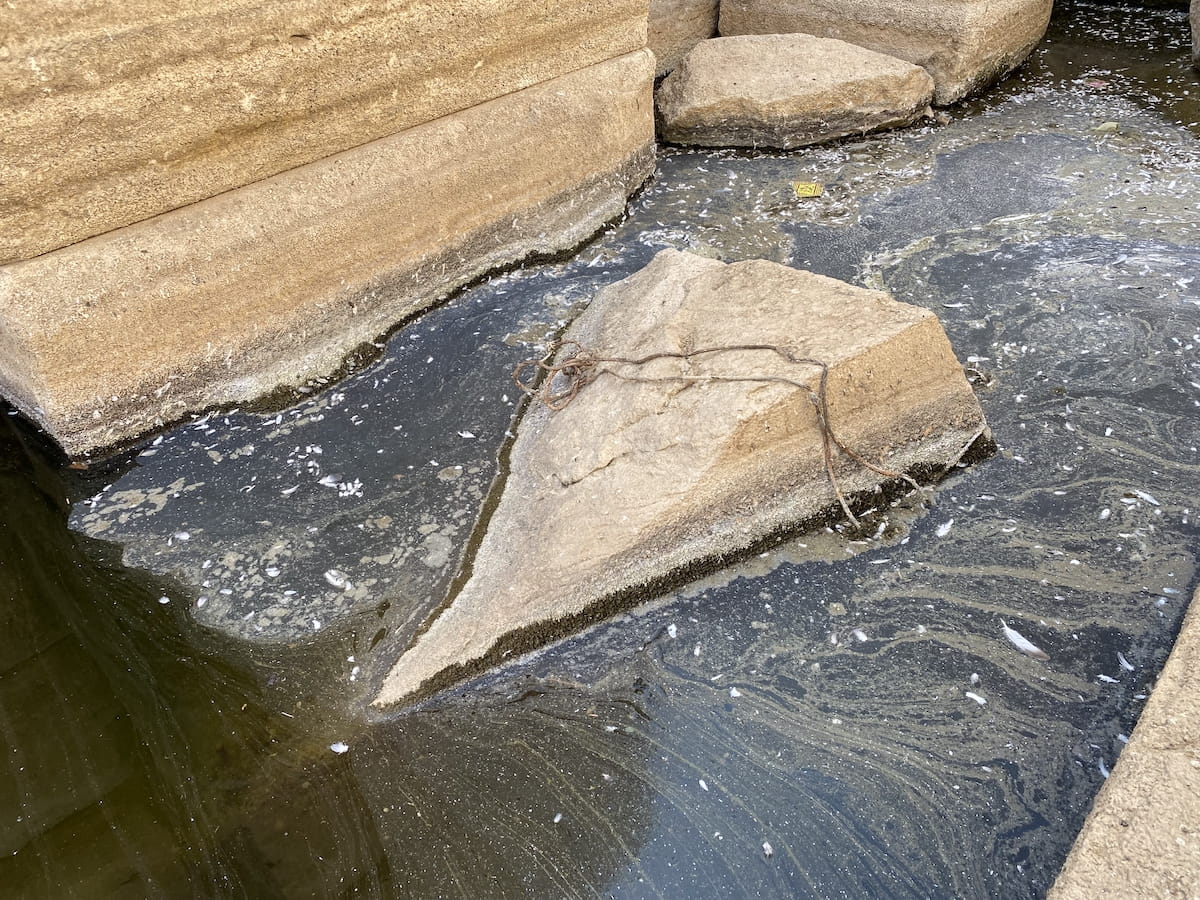
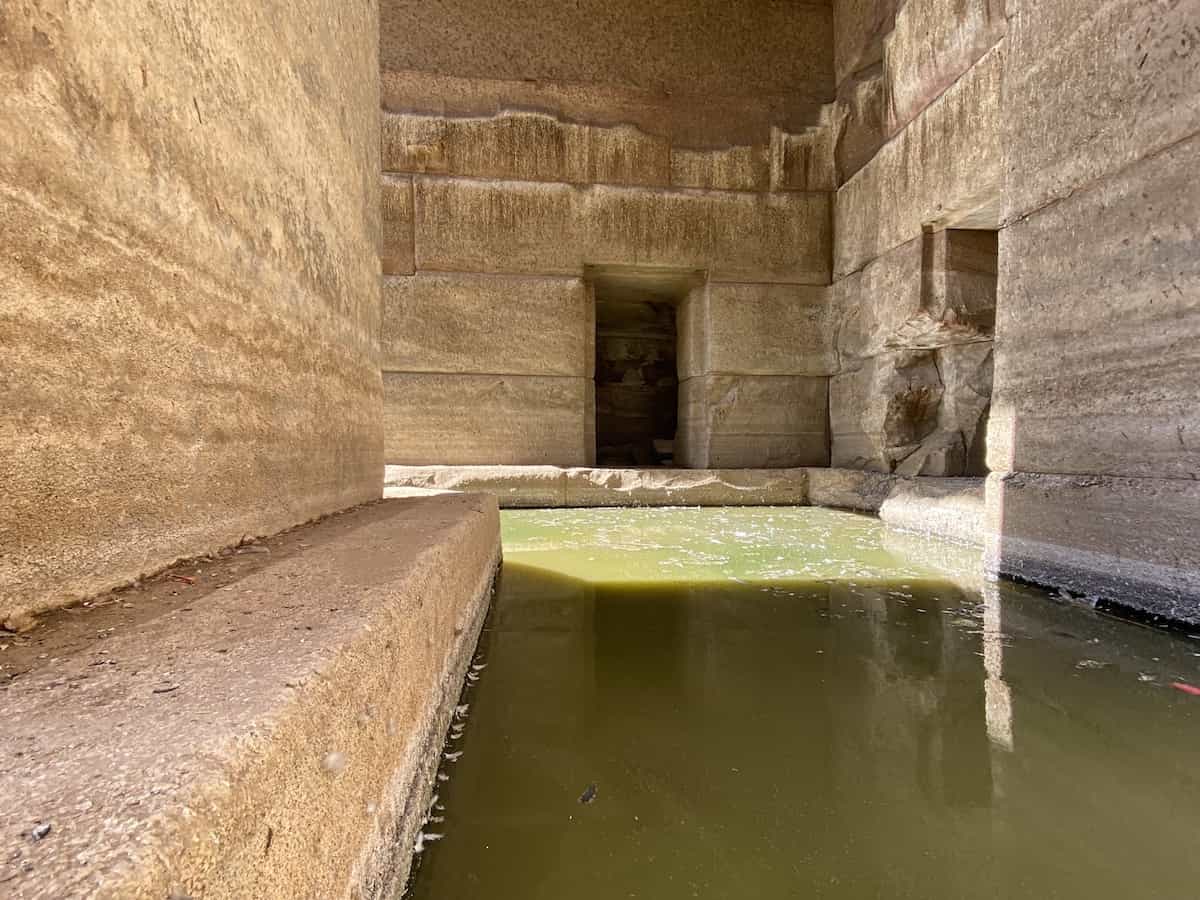
The floor of the Osirion sits at the level of the local water table, so groundwater naturally seeps in and collects in the lowest chambers. Today, the central platform remains partially or fully flooded year-round, depending on the season and the surrounding water levels.
Many scholars believe this flooding may not be accidental at all — that the builders intentionally positioned the structure to interact with the water table, using it to symbolize the primordial waters of creation (Nu or Nun) from Egyptian mythology, out of which the first mound of land was said to emerge.
Generally, no. The Osirion is usually closed to the public due to ongoing flooding and preservation concerns. Most visitors to Abydos view the Temple of Seti I itself and can glimpse the Osirion from an elevated walkway behind the temple, but cannot descend into it.
Occasionally, researchers, documentary crews, or private specialty tours are granted special permission for closer access — which is part of why footage and photos of the interior circulate more than one might expect for an officially “closed” site.
If built during Seti I’s reign, the Osirion would be approximately 3,300 years old. However, because of its depth below the surrounding terrain and its megalithic construction style — which some compare to Old Kingdom or even earlier work — a number of researchers have proposed a considerably older date.
At present, there is no definitive archaeological evidence confirming a pre-Seti I construction date. The debate largely comes down to differing interpretations of stylistic and structural evidence rather than any new excavation findings that would settle the question either way.