Canopic Jars Ancient Egypt are among the most fascinating funerary objects you will encounter during your journey through the land of the pharaohs in 2026. These sacred vessels, used in the mummification process, protected vital organs for the afterlife and reflect the extraordinary beliefs, craftsmanship, and spiritual depth of ancient Egyptian civilization.
In this comprehensive guide, you will discover what canopic jars are in ancient Egypt, what they were used for, who made them, their names, symbolic meanings, artistic evolution, and where you can see the most important examples today. You will also learn how to include these incredible artifacts in your Egypt itinerary—whether you choose 2 Day Egypt Tours or a full 15 Day Egypt Tours experience with Egypt All Inclusive.
If you are planning your trip to Egypt in 2026, understanding canopic jars from ancient Egypt will dramatically enrich your visit to temples, tombs, and museums across Cairo, Luxor, and beyond.
What Are Canopic Jars in Ancient Egypt?
When travelers ask, what are canopic jars in ancient Egypt? the simple answer is: they are sacred containers used during mummification to store and protect the internal organs of the deceased.
But the deeper story is far more captivating.
In ancient Egyptian belief, physical preservation was essential for eternal life. During the mummification process, embalmers removed the liver, lungs, stomach, and intestines. These organs were then carefully preserved and placed inside canopic jars in ancient Egypt, each guarded by a protective deity.
So, what is a canopic jar in ancient Egypt? It is not merely a storage container—it is a spiritual safeguard designed to ensure safe passage into the afterlife.
- The Four Canopic Jars and Their Gods
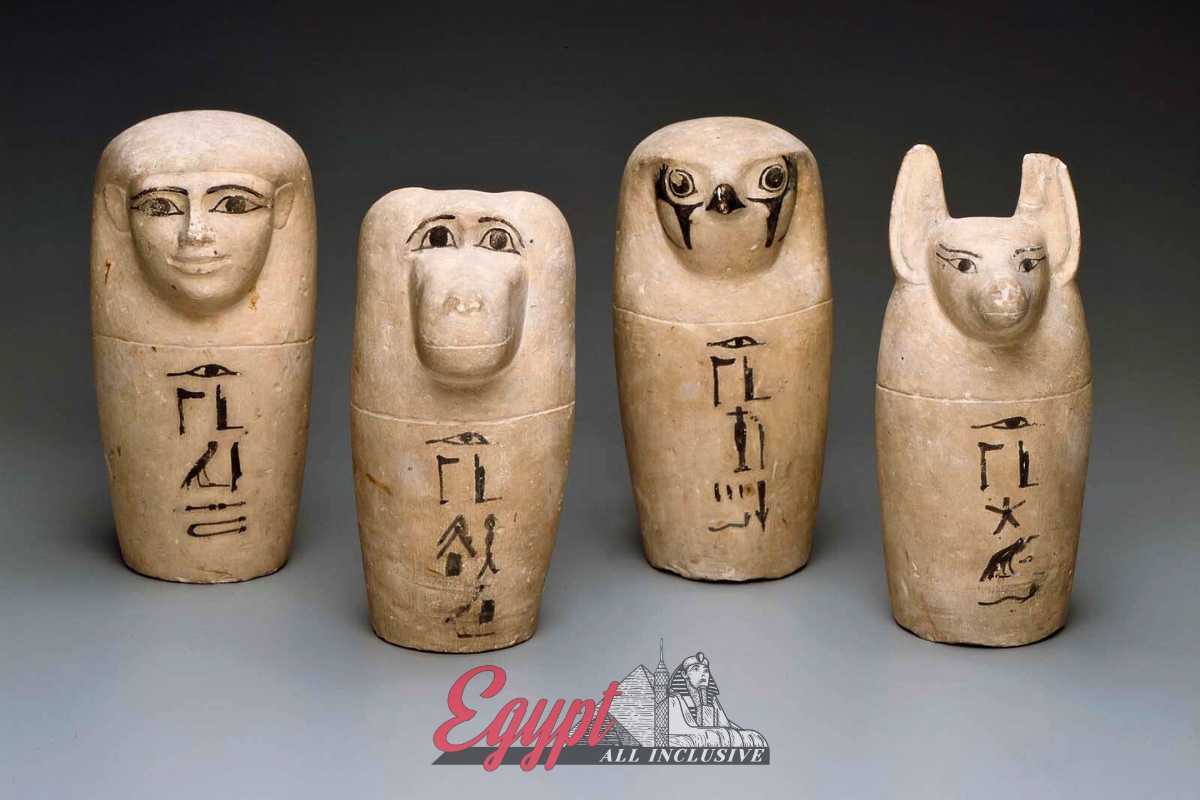
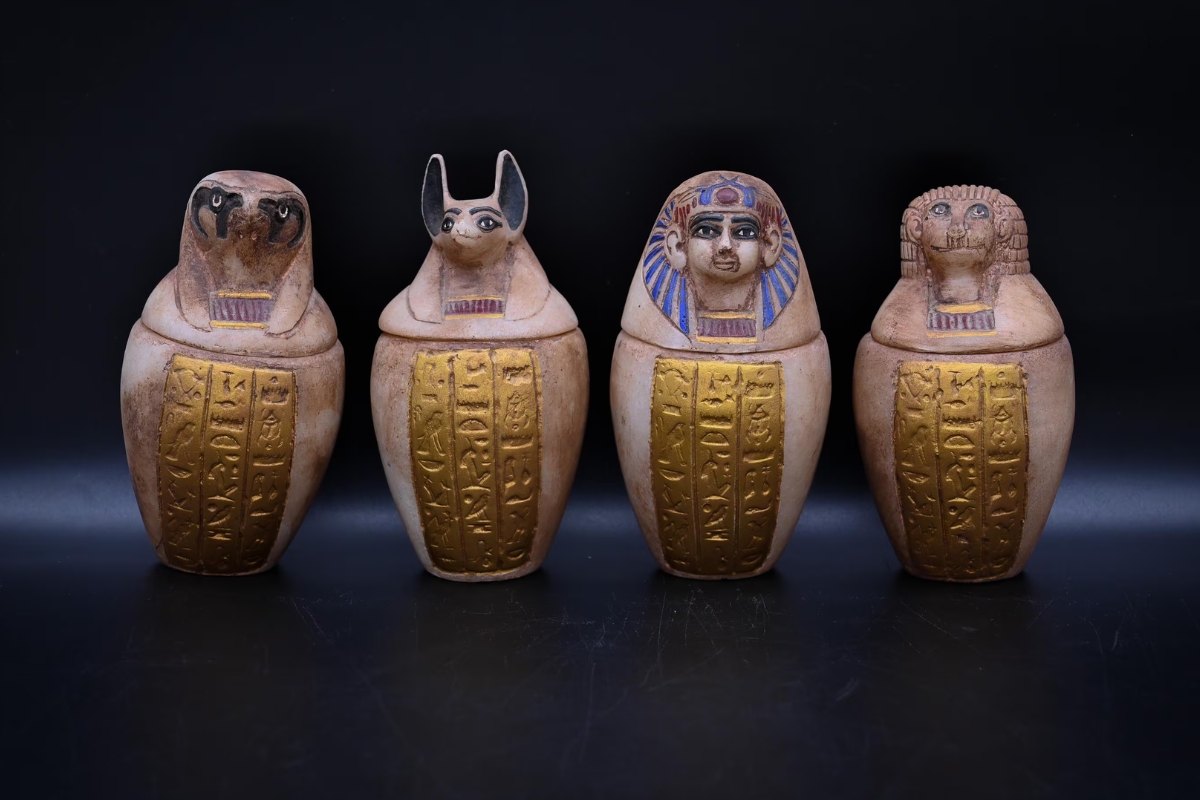
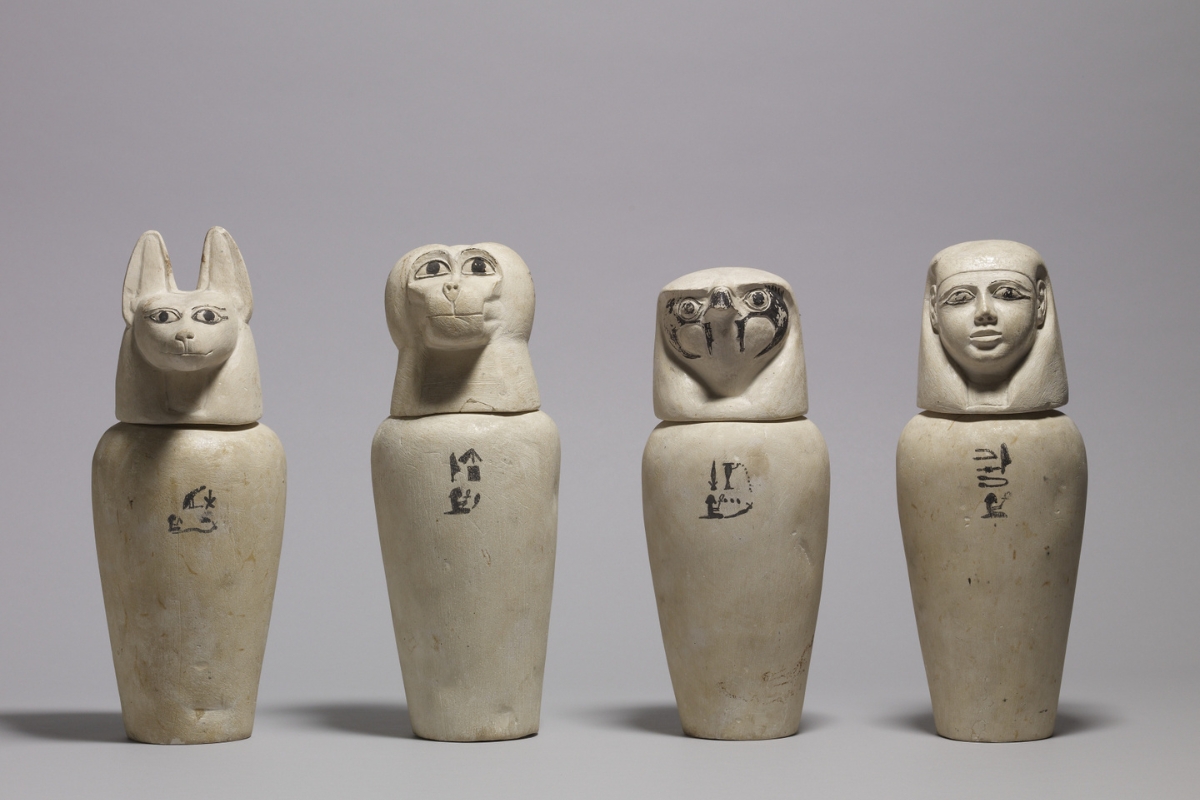
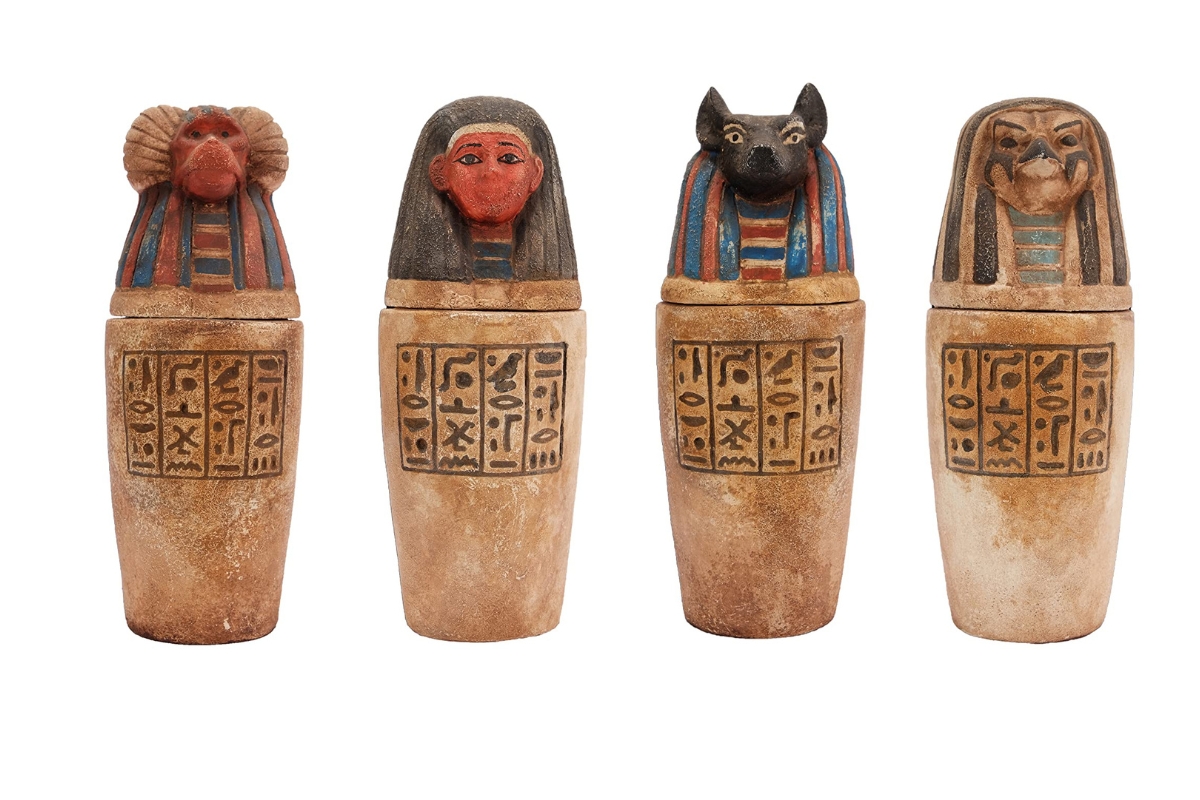
- Each jar represented one of the Four Sons of Horus:
- Imsety – protected the liver (human head)
- Hapy – protected the lungs (baboon head)
- Duamutef – protected the stomach (jackal head)
- Qebehsenuef – protected the intestines (falcon head)
These jars were often placed inside a canopic chest near the sarcophagus.
When visiting tombs in the Valley of the Kings or museums in Cairo, your guide from Egypt All Inclusive will explain how these jars worked in harmony with spells from the Book of the Dead.
What Were Canopic Jars Used for in Ancient Egypt?
Many travelers search: what were canopic jars used for in ancient Egypt?
The answer lies in mummification rituals.
The ancient Egyptians believed that:
-
The heart was the seat of intelligence and remained in the body.
-
The brain was discarded.
-
The liver, lungs, stomach, and intestines were essential for rebirth.
These organs were:
-
Removed during embalming.
-
Dried with natron salt.
-
Wrapped in linen.
-
Placed inside canopic jars of ancient Egypt.
This practice began in the Old Kingdom and evolved over centuries. By the New Kingdom, lids were sculpted as divine heads.
When you stand before real canopic jar ancient Egypt artifacts, you are witnessing physical evidence of one of the most advanced spiritual systems in human history.
Ancient Egypt Canopic Jars Facts Travelers Should Know (2026 Edition)
Here are essential ancient Egypt canopic jars facts that will make your visit more meaningful:
-
Early jars had simple human lids.
-
Later jars featured animal-headed gods.
-
Royal jars were made from alabaster or calcite.
-
Some later burials used dummy jars (organs returned to the body).
-
The jars were often placed in beautifully decorated canopic chests.
Who Made Canopic Jars in Ancient Egypt?
Another fascinating question is: who made canopic jars in ancient Egypt?
They were crafted by:
-
Skilled stone carvers
-
Temple artisans
-
Specialized funerary workshop craftsmen
These artisans worked near royal tomb sites such as those in Luxor.
When you explore West Bank Luxor during our 4 Day Egypt Tours or 5 Day Egypt Tours, you will learn how entire communities depended on tomb construction and funerary production.
Ancient Egypt Canopic Jars Drawing and Artistic Evolution
Art lovers often search for ancient Egypt canopic jars drawing references. Egyptian tomb walls, papyrus scrolls, and temple reliefs include detailed artistic representations of the mummification ritual.
Over time, jars evolved:
Old Kingdom (c. 2686–2181 BCE)
-
Plain limestone jars
-
Simple human heads
Middle Kingdom
-
More refined carving
-
Increased religious symbolism
New Kingdom
-
Fully developed animal-headed lids
-
Alabaster masterpieces
Today, ancient Egypt canopic jars images appear in museums worldwide, but nothing compares to seeing the originals in Egypt.
Where to See Canopic Jars from Ancient Egypt in 2026
If you want to see authentic canopic jars from ancient Egypt, here are must-visit sites:
1. Grand Egyptian Museum
Near the pyramids, this is the most advanced archaeological museum in the world. It displays extraordinary royal burial collections.
2. Egyptian Museum
Home to thousands of funerary objects, including canopic jars of ancient Egypt from multiple dynasties.
3. Valley of the Kings
Although jars were often removed to museums, tombs here explain their original placement.
4. Valley of the Queens
Provides additional context about royal burials.
Our 6 Day Egypt Tours, 7 Day Egypt Tours, and 8 Day Egypt Tours typically include Luxor and Cairo, ensuring you see the finest examples.
Canopic Jar Ancient Egypt Artifacts and Royal Discoveries
Some of the most famous canopic jar ancient Egypt artifacts were discovered in the tomb of:
-
Tutankhamun
His canopic shrine and jars are masterpieces of gold and alabaster craftsmanship.
When booking 9 Day Egypt Tours, 10 Day Egypt Tours, or longer journeys, you gain enough time to explore museum collections in depth without rushing.
Why Understanding Canopic Jars Makes Your Trip More Meaningful
Travelers in 2026 want more than photos—they want understanding.
Knowing:
-
Ancient Egypt canopic jars names
-
The gods they represent
-
What were canopic jars used for in ancient Egypt
-
Who made canopic jars in ancient Egypt
…transforms a museum visit into a powerful cultural experience.
When you stand before these sacred vessels, you are witnessing ancient beliefs about eternity, protection, and divine order.
That emotional connection is what separates a basic tour from an unforgettable journey.
Exclusive 2026 Travel Tips (Insider Knowledge)
As a travel specialist with decades of on-the-ground experience, here are tips most competitors won’t share:
-
Visit museums early morning to avoid peak crowds.
-
Ask your guide to show you organ-specific inscriptions.
-
Combine museum visits with tomb exploration the same day for context.
-
Choose longer itineraries for proper pacing.
-
Request private guiding inside major museums for deeper explanation.
Egypt All Inclusive ensures your experience is immersive, organized, and stress-free.
Conclusion: Experience the Legacy of Canopic Jars Ancient Egypt in 2026
Canopic Jars Ancient Egypt are not just relics behind glass—they are keys to understanding ancient spirituality, science, art, and devotion to eternal life. From learning what is a canopic jar in ancient Egypt to seeing authentic canopic jar ancient Egypt artifacts in world-class museums, your journey becomes far richer when you understand their meaning.
In 2026, travel is about depth, storytelling, and authenticity.
Whether you choose 4 Day Egypt Tours or a full 15 Day Egypt Tours adventure, Egypt All Inclusive designs experiences that connect you with the real Egypt—its history, its mysteries, and its timeless legacy.
Now is the perfect time to plan your 2026 journey.
Contact Egypt All Inclusive today and let us build your personalized Egypt tour—where history is not just seen, but truly understood.