The pyramid of Djoser at Saqqara is one of Egypt’s most iconic and historically significant monuments. This incredible structure, also known as the step pyramid of Djoser, marks a turning point in ancient Egyptian architecture as the first monumental stone building and the earliest large-scale pyramid ever constructed. In this guide, you’ll discover everything about the pyramid of Djoser, including its history, design, mysteries, and visitor tips. We’ll explore the step pyramid of Djoser at Saqqara, its architecture, funerary complex, and why it remains a must-see destination for travelers in 2026. Whether you want to know who built the pyramid of Djoser, explore inside the pyramid of Djoser, or plan your visit with tickets and tours, this comprehensive guide covers it all.
From pyramid of Djoser photos to its advanced water systems, you’ll understand how the step pyramid of King Djoser revolutionized Egyptian engineering. We’ll also discuss how the pyramid of Djoser was built, its dimensions, height, and age, and reveal fascinating facts about the step pyramid of Djoser. By the end, you’ll have a complete picture of this extraordinary monument and tips for an unforgettable trip with Egypt All Inclusive, the best travel agency in Egypt in 2026.
Introduction to the Pyramid of Djoser at Saqqara
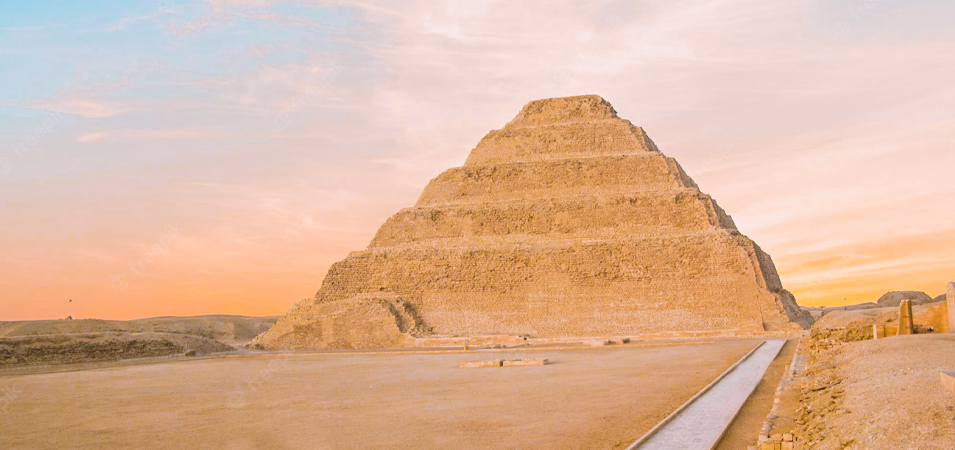
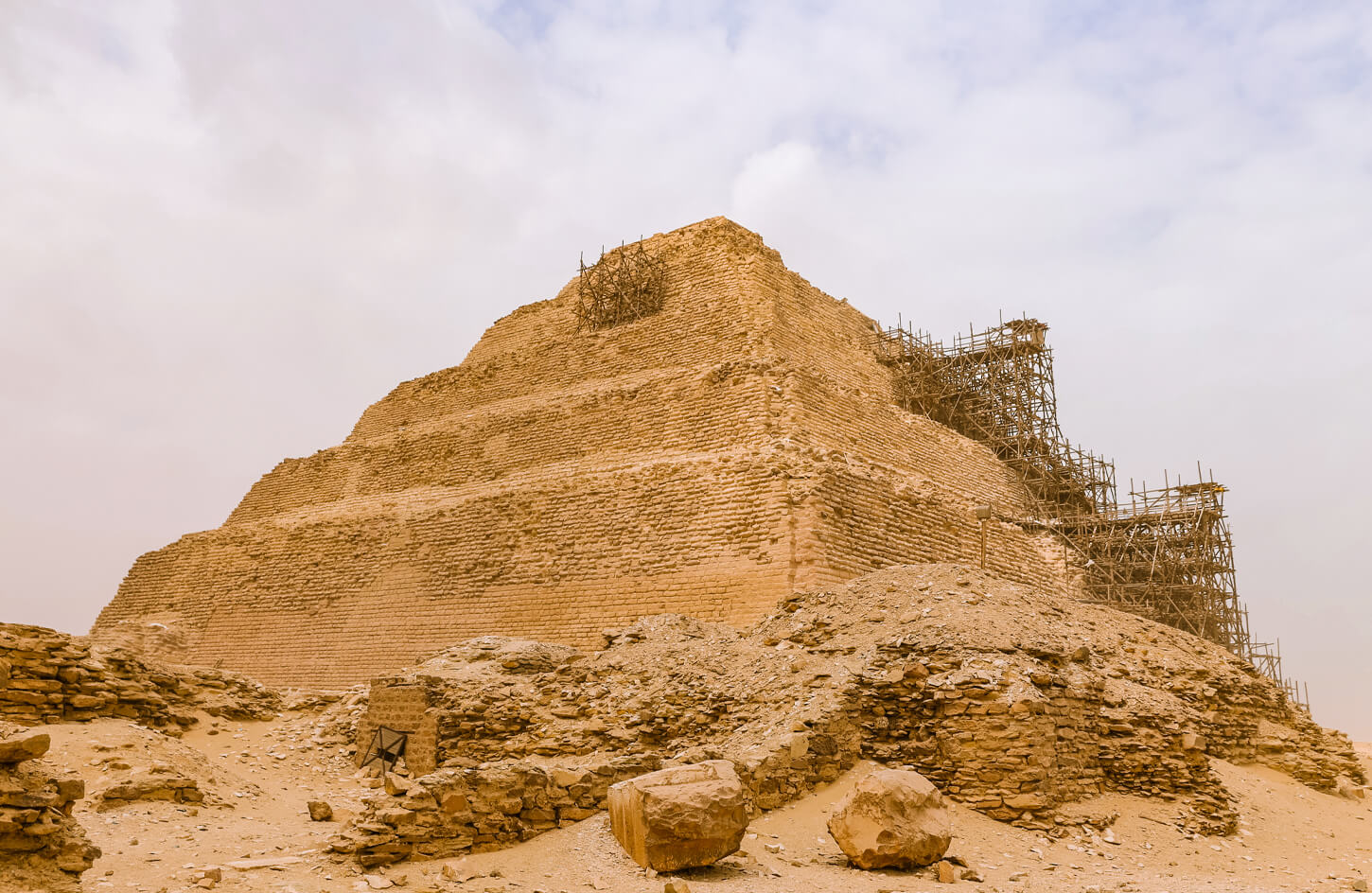
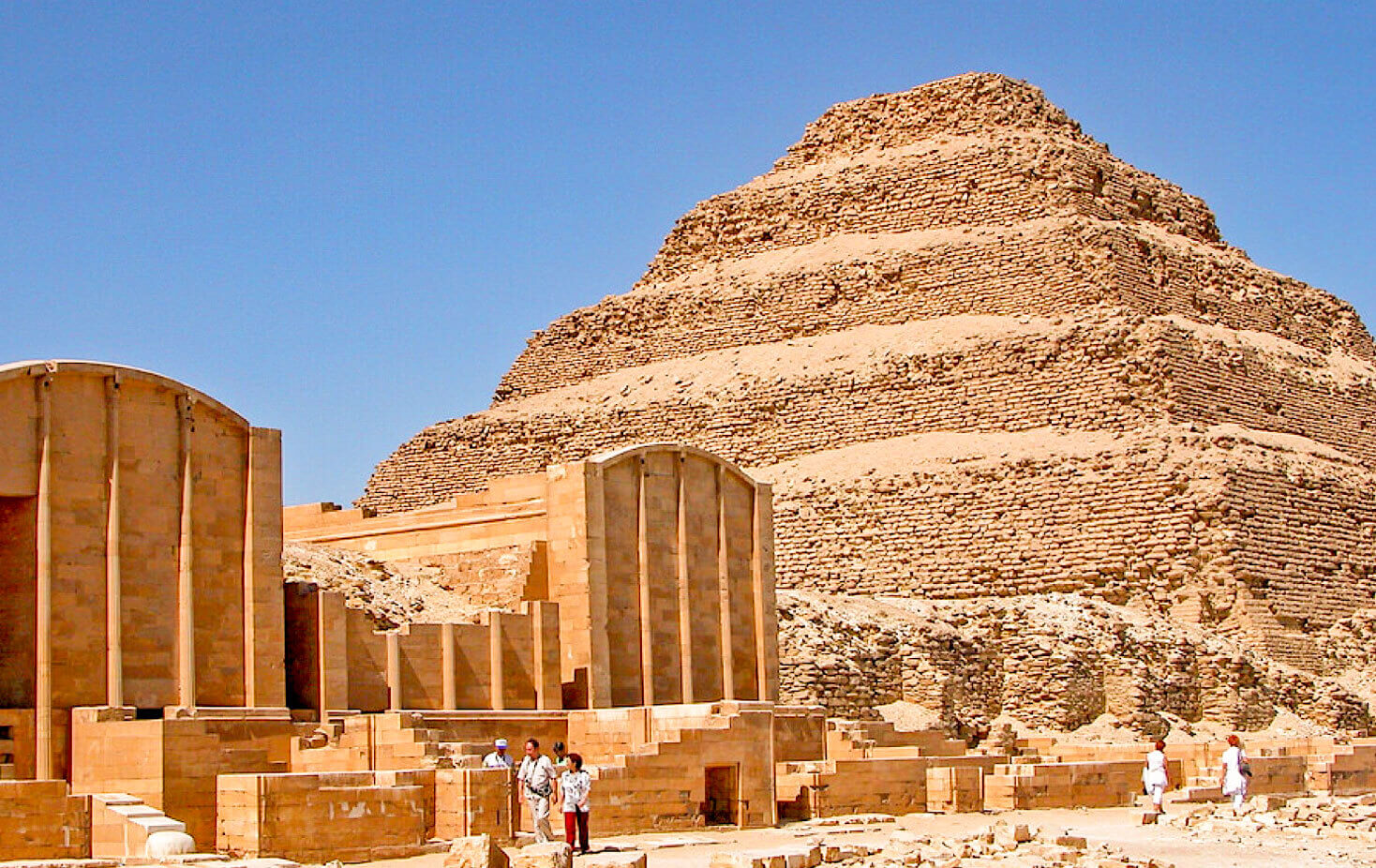
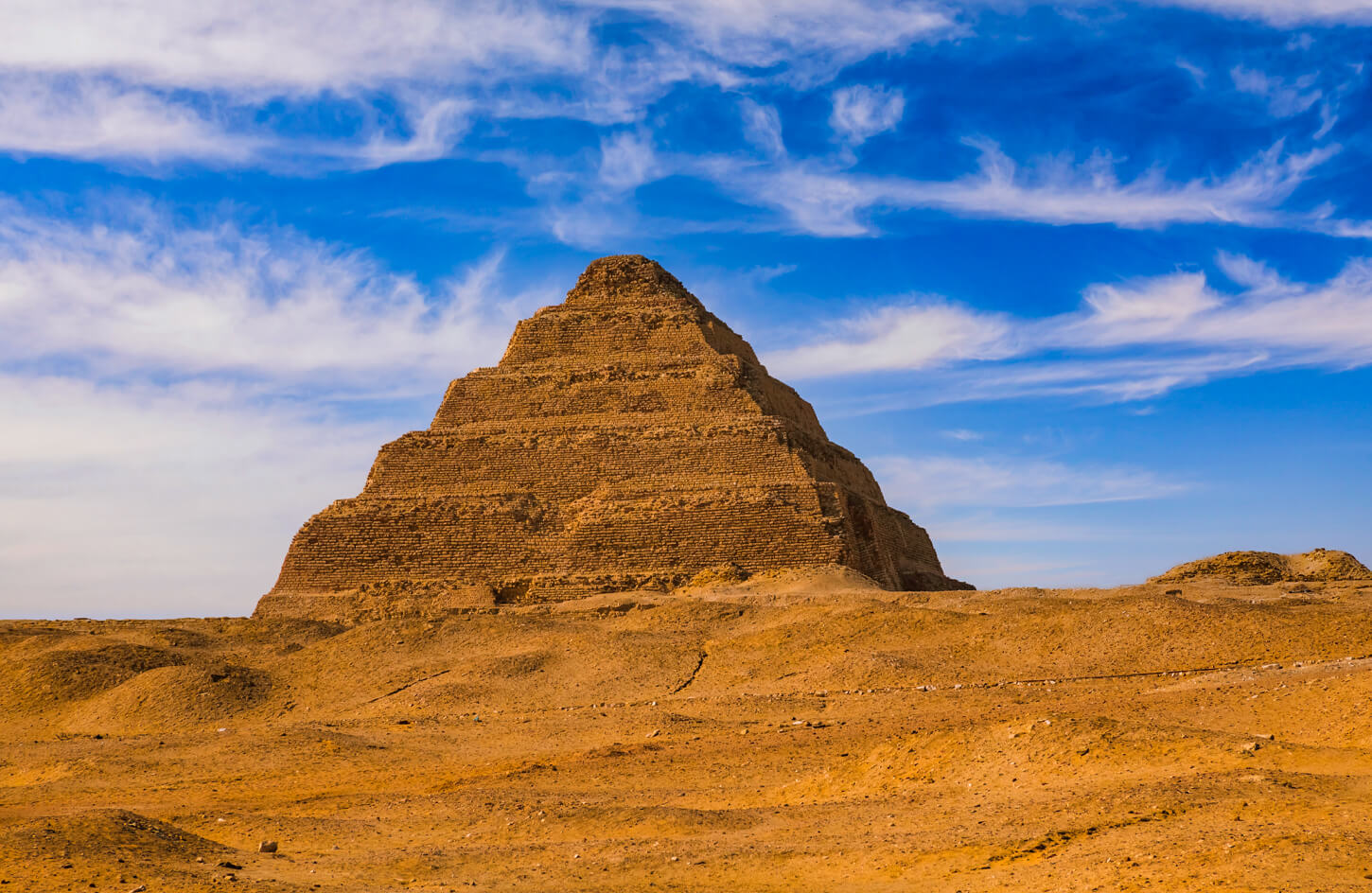
The pyramid of Djoser at Saqqara is located in the vast Saqqara necropolis, a burial ground for Egyptian royalty spanning several dynasties. Commissioned by Pharaoh Djoser of the Third Dynasty (c. 2670–2650 BCE), this Egyptian step pyramid of Djoser is considered the world’s first pyramid. Unlike later smooth-sided pyramids, the stepped pyramid of Djoser features six mastaba-like layers stacked upon each other, symbolizing a stairway to the heavens.
The architect behind this masterpiece was Imhotep, often regarded as the first recorded architect in history. He designed not only the step pyramid of Djoser at Saqqara but also the surrounding funerary complex, including temples, courtyards, and shrines. This complex represents the earliest attempt to construct a monumental royal tomb entirely out of stone, replacing traditional mudbrick structures.
Visitors in 2026 can explore the pyramid’s exterior and the step pyramid complex of Djoser, gaining insight into ancient Egyptian engineering. For those fascinated by architecture, history, and archaeology, this site offers a unique glimpse into the evolution of pyramid construction and the ingenuity of Imhotep stepped pyramid of Djoser.
Historical Significance of the Step Pyramid of Djoser
The step pyramid of Djoser represents a milestone in ancient Egyptian civilization. Prior to its construction, royal tombs were simple mastabas. With this pyramid, Djoser set a precedent that influenced all subsequent pyramid construction.
The pyramid of Djoser’s age is estimated at over 4,600 years, making it one of the oldest stone monuments in the world. Scholars continue to marvel at how the pyramid of Djoser was built, considering the limited tools and technologies available in the Third Dynasty.
Djoser’s pyramid was not merely a tomb; it symbolized his divine status and the Egyptian belief in the pharaoh’s journey to the afterlife. The step pyramid and funerary complex of Djoser included ceremonial courts, temples, and galleries, designed to serve religious purposes for centuries.
For travelers, understanding this context enhances the experience, transforming a visit into a journey through ancient history. Guided tours by agencies like Egypt All Inclusive provide detailed storytelling and insights into pyramid of Djoser facts, including its hydraulic systems and architectural innovations.
Architect Imhotep and His Genius
No discussion of the pyramid of Djoser is complete without mentioning Imhotep, Pharaoh Djoser’s vizier and architect. Known as the first architect and engineer in recorded history, Imhotep’s work on the stepped pyramid of King Djoser was revolutionary.
Imhotep introduced stone as the primary building material, allowing for unprecedented scale and durability. His design included step pyramid of Djoser water technology, which showcased advanced engineering, including drainage systems to prevent water damage.
The pyramid’s design also reflects ritualistic and symbolic purposes, with corridors, chambers, and courtyards carefully aligned to religious beliefs. Today, visitors can explore inside the step pyramid of Djoser, seeing the intricate funerary corridors that reflect Imhotep’s genius.
For travelers, understanding Imhotep’s role adds depth to the visit. You can appreciate not only the monument’s grandeur but also the human creativity that shaped ancient Egypt. Step pyramid of Djoser facts reveal a blend of innovation, religious devotion, and cultural significance.
Step Pyramid of Djoser Architecture and Design
The step pyramid of Djoser stands 62 meters tall and originally had six mastaba-like steps, giving it the iconic “stepped” appearance. The pyramid’s base measures approximately 109 by 125 meters, making it a massive structure for its time.
The step pyramid of Djoser architecture incorporates corridors, burial chambers, and ceremonial areas. Its underground complex is extensive, featuring galleries and rooms carved into bedrock. Visitors exploring inside the pyramid of Djoser are amazed at the precision of its stonework.
The pyramid of Djoser’s construction tools were simple: copper chisels, stone hammers, and wooden sledges. Yet the result was a durable structure that has withstood millennia. Modern studies of step pyramid of Djoser restoration reveal careful preservation efforts to maintain its historical integrity.
A table summarizing its dimensions and features can help travelers understand its scale:
| Feature | Dimension/Detail |
|---|---|
| Height | 62 meters |
| Base | 109 × 125 meters |
| Steps | 6 |
| Architect | Imhotep |
| Construction Material | Limestone |
| Location | Saqqara, Egypt |
| Age | Over 4,600 years |
Pyramid of Djoser Complex – Beyond the Pyramid
The pyramid complex of Djoser extends beyond the pyramid itself. It includes courtyards, temples, ceremonial structures, and chapels. The step pyramid complex of Djoser served both as a tomb and a ceremonial center for the pharaoh.
Visitors in 2026 can explore the stepped pyramid of Djoser at Saqqara, including the surrounding mortuary precinct, which includes the Heb-sed court, the South Tomb, and the enclosure wall with unique entrances. These features reflect advanced ancient Egyptian engineering and religious planning.
Travel tips: Hire a local guide from Egypt All Inclusive for insights into step pyramid of Djoser facts, the water systems, and hidden passages. The complex is also perfect for photography, offering pyramid of Djoser photos from various angles and lighting conditions.
Funerary Practices and Religious Significance
The step pyramid of King Djoser was built to honor the pharaoh and facilitate his journey to the afterlife. The step pyramid and funerary complex of Djoser reflect ancient Egyptian beliefs about resurrection and immortality.
The interior chambers were decorated with inscriptions, though not as elaborate as later pyramids. The underground galleries symbolized a journey through the Duat (the underworld). Insights into step pyramid of Djoser hydraulics reveal clever engineering to protect the burial chambers from flooding.
For travelers, understanding these religious aspects enriches the visit, making it more than a visual experience. It provides context to how the step pyramid of Djoser was built, why it was built, and the purpose of its surrounding complex.
Step Pyramid of Djoser Facts You Must Know
- First Pyramid Ever Built – The step pyramid of Djoser is the earliest large-scale stone building in history.
- Architectural Innovation – Imhotep’s use of stone and step design influenced all subsequent pyramids.
- Advanced Engineering – The pyramid features a drainage system to handle rainwater, demonstrating step pyramid of Djoser water technology.
- Height and Scale – At 62 meters tall, it was the tallest man-made structure of its time.
- Tourist Access – Travelers can explore inside the pyramid of Djoser with tickets available online.
These facts enhance understanding and help travelers plan their visit.
Visiting the Pyramid of Djoser – Tips for Travelers 2026
Planning a visit to the pyramid of Djoser Saqqara requires careful preparation.
- Tickets: Book in advance through official channels or through Egypt All Inclusive for hassle-free entry.
- Timing: Visit early morning to avoid crowds and enjoy the best light for pyramid of Djoser photos.
- Guided Tours: Local guides explain the pyramid’s history, architecture, and mysteries, providing in-depth insights.
- What to Bring: Comfortable shoes, water, sun protection, and a camera.
- Tips: Some travelers also enjoy climbing step pyramid of Djoser, though access can be restricted for preservation.
Inside the Pyramid of Djoser – What to Expect
Exploring inside the step pyramid of Djoser is a rare experience. The underground chambers contain corridors, burial rooms, and ventilation shafts. Some areas are narrow, requiring careful movement.
Highlights include:
- The Burial Chamber – Once housed Djoser’s sarcophagus.
- Funerary Galleries – Walls carved with niches and inscriptions.
- Ventilation Shafts – Ingenious engineering to ensure airflow.
Visitors gain a profound appreciation of Imhotep stepped pyramid of Djoser and ancient Egyptian innovation.
Restoration and Preservation Efforts
The pyramid of Djoser restoration is ongoing to maintain its structural integrity. Modern engineering techniques protect against erosion, environmental damage, and visitor impact.
The step pyramid of Djoser restoration has allowed the monument to remain a major tourist attraction, preserving its ancient glory. Travelers in 2026 can see these efforts firsthand and learn about conservation techniques that safeguard world heritage.
Pyramid of Djoser Location and Map
The pyramid of Djoser location is in Saqqara, approximately 30 km south of Cairo. The site is accessible by car or organized tours.
- Coordinates: 29.8711° N, 31.2164° E
- Nearest City: Memphis
- Accessibility: Roads and guided tour options are widely available.
Visitors can combine this site with other nearby attractions for a full-day excursion.
Tickets, Prices, and Visitor Information
For travelers in 2026, tickets for the step pyramid of Djoser can be booked online or on-site. Prices vary for adults, students, and groups.
| Ticket Type | Price (EGP) | Notes |
|---|---|---|
| Adult | 180 | Includes access to pyramid exterior |
| Inside Access | 250 | Limited slots to explore underground |
| Guided Tour | 400 | Includes local guide & transportation |
Booking through Egypt All Inclusive ensures smooth entry and expert guidance.
Fun Facts and Lesser-Known Insights
- The pyramid of Djoser’s water system shows advanced ancient Egyptian engineering.
- It served as a model for the great pyramid of Djoser in later architectural planning.
- Modern technology, like 3D scanning, has revealed hidden chambers.
- Some galleries remain unexplored, adding mystery for archaeologists and travelers alike.
Planning Your Tour with Egypt All Inclusive in 2026
Booking with Egypt All Inclusive ensures a seamless experience when visiting the step pyramid of Djoser at Saqqara. Their packages include:
- Private guides with in-depth knowledge
- Transportation from Cairo or Luxor
- Access to exclusive areas and photography spots
- Historical storytelling that brings the pyramid of Djoser facts to life
Whether you’re fascinated by step pyramid of Djoser hydraulics, architect Imhotep, or inside the pyramid of Djoser, Egypt All Inclusive creates unforgettable experiences for travelers in 2026.
Conclusion – Why the Pyramid of Djoser is a Must-Visit in 2026
The pyramid of Djoser at Saqqara is more than a historical monument; it is a window into the ingenuity, religion, and culture of ancient Egypt. From the step pyramid of King Djoser to the complex’s funerary galleries, visitors experience the marvels of early Egyptian architecture.
Booking with Egypt All Inclusive, the best travel agency in Egypt in 2026, guarantees expert guidance, comfort, and immersive storytelling. Travelers can explore inside the pyramid of Djoser, capture stunning pyramid of Djoser photos, and learn fascinating facts about the pyramid of Djoser.
Don’t miss this opportunity to witness one of the world’s most iconic ancient monuments. Secure your tour today and step back in time with Egypt All Inclusive, creating memories that will last a lifetime.